Soot from fires or smoke damage can cling to carpet fibers and leave a stubborn odor. Proper cleaning combines removing loose soot, deodorizing the area, and treating stains without spreading residue. This guide walks American homeowners through a practical, step-by-step approach using common tools and proven techniques.
Whether you’re dealing with localized soot spots or widespread damage, the right equipment and a careful plan can restore carpet appearance and improve indoor air quality. The methods below emphasize safe handling, appropriate cleaners, and efficient workflows to minimize secondhand soot spread.
Quick Answer
For light soot on carpet, start with a vacuum using a HEPA-filter attachment to capture fine particles, then blot and treat with a carpet cleaner or steam cleaner designed for soot. For heavy or fire-damaged soot, use a dry sponge or specialized remediation tools, followed by a detergent-based cleaner and deodorizer. Always test a hidden area first and wear a mask to protect your lungs.
What You’ll Need
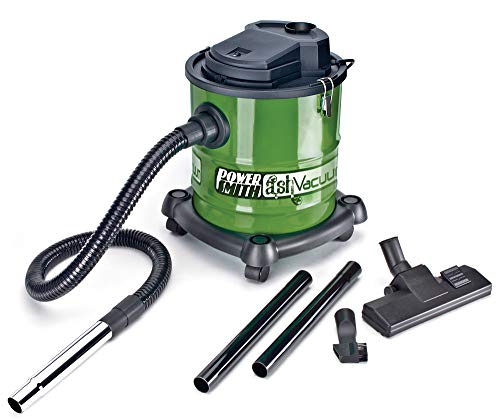
- Ash vacuum cleaner HEPA filter for carpet soot cleanup
- Carpet steam cleaner for fire damage soot removal
- Dry chemical sponge soot remover for upholstery and carpet
- Industrial HEPA vacuum 12 gallon ash and soot
- Carpet cleaning machine with deodorizer for soot stains


Before You Start
Clear the area and remove loose debris. Ventilate the space if possible to improve airflow. Wear protective gear such as gloves, a dust mask or respirator, and eye protection. Test any cleaner on a hidden carpet patch to avoid damage. Plan the workflow to prevent recontamination by working from the farthest corner toward the exit.
Safety cautions: Do not use household wet vacs on wet soot without a proper filter, as it can spread particles. If odor or smoke damage is extensive, consider professional remediation. Time estimates vary: light touch-ups can take 1–2 hours; heavy cleanup may require half a day or more depending on room size and material.
Step-By-Step: How To Clean Soot From Carpet
- Set up the cleaning area with good ventilation and lay down protective coverings to catch any debris.
- Gently vacuum the surface with an industrial HEPA vacuum or ash vacuum cleaner to remove loose soot, working in multiple passes.
- If using a dry chemical sponge, wipe the carpet in a gentle, circular motion. Do not rub hard, which can push soot deeper into fibers.
- For stubborn stains, apply a carpet cleaning solution designed for soot or smoke damage, following label directions for dilution and dwell time.
- Use a carpet steam cleaner to lift remaining soot and residual odors. Use plain water for rinsing as recommended by the machine’s manufacturer.
- Re-vacuum after cleaning to remove loosened particles and moisture, ensuring the carpet dries thoroughly to prevent mold growth.
- Apply a deodorizing treatment or carpet cleaning machine with integrated deodorizer to neutralize lingering smoke smell.
- Inspect for any remaining dark stains and repeat cleaning steps on those areas if needed, especially along edges and carpet seams.
- Allow complete air-drying with open windows or fans before furniture returns to the room.
- Dispose of used sponges, rags, and disposable filters in a sealed bag to contain soot particles.
- Seal the area and monitor for any recurring odors over the next few days; consider additional cleaning cycles if smell persists.
- Consider professional remediation for extensive fire damage or persistent odors that do not respond to home cleaning.
Troubleshooting
| Symptom | Likely Cause | Fix | Prevention |
|---|---|---|---|
| Dark stains remain after cleaning | Soil and oils absorbed into fibers | Spot-clean with a specialized cleaner, repeat as needed | Address soot early; avoid over-wetting |
| Strong smoke odor persists | Entrapped odors in padding | Use deodorizing carpet cleaner and consider padding replacement | Ventilate during and after cleaning |
| Fibers feel stiff after cleaning | Residue from cleaners | Rinse thoroughly with clean water and re-vacuum | Follow dilution and rinse directions precisely |
| Machine overflow or poor suction | Clogged filters or dirty hoses | Clean or replace filters, clear hoses, restart | Maintain equipment and clean after use |
Common Mistakes
- Over-wetting carpet, which spreads soot and promotes mold growth.
- Using household cleaners not designed for soot, causing chemical reactions or residue.
- Rubbing soot with a cloth, pushing it deeper into fibers.
- Ignoring padding or subfloor damage that traps odors.
Instead, work with purpose-built tools and respect moisture control to protect both carpet and indoor air quality.
Tips For Best Results
- Test cleaners on a concealed patch to ensure colorfastness before broad application.
- Work methodically from the farthest corner toward the exit to reduce cross-contamination.
- Use a dry sponge or light vacuuming first to minimize airborne particles before wet cleaning.
- Follow up with deodorizing products specifically formulated for smoke odors.
- Schedule multiple cleaning passes if smoke exposure was extensive or if padding was affected.
Call A Professional
Consult a professional if soot covers a large area, if there is structural smoke odor, or if the carpet is highly valuable or fragile. Stop signs include persistent odor after multiple cleaning attempts, noticeable staining on seams, or if there is moisture damage or mold risk. A licensed remediation specialist can assess padding, subfloor, and HVAC impacts.
FAQ
Can I clean soot from carpet myself?
Yes, for small areas with light soot, using HEPA-filtered vacuums and appropriate cleaners can be effective.
What equipment is essential for soot cleanup?
Essential tools include a HEPA-filter vacuum, a dry chemical sponge, a carpet cleaner or steam cleaner, and a deodorizer.
Is padding replacement necessary after fire damage?
Padding often traps odors; replacement may be required if odor recurs after cleaning.
How long does soot cleaning typically take?
Light cleanup can be completed in a few hours; extensive fire damage may require a full day or more depending on space and materials.
Buying Guide
When selecting equipment for soot cleanup, consider size, noise, and energy efficiency, along with control options and placement versatility. A larger-capacity industrial HEPA vacuum with a 12-gallon tank reduces frequent emptying in bigger rooms, while a compact ash vacuum is handy for quick spot cleans. Look for models with strong suction, durable hoses, and easy filter access. Machines with integrated deodorizers or steam cleaning capabilities can streamline the process by combining cleaning and odor control in one pass.
Key buying factors include:
- Size and capacity: Balance room size with storage space and cleaning frequency.
- Noise level: Quieter models facilitate cleaning without disturbing occupants.
- Energy efficiency: Prefer units with efficient motors and variable suction.
- Controls: Intuitive controls with clear rinse and dwell time guidelines reduce user error.
- Placement and portability: Carts or wheels improve transport around furniture and stairs.
- Compatibility with cleaners and deodorizers: Ensure cleaners are designed for soot and smoke damage.
For best results, align equipment with the scale of the soot issue, consider rental options for one-off events, and match tools to the carpet fiber type to minimize damage. If in doubt, a professional remediation plan may save time and ensure safe, thorough cleanup.