Vinyl floors offer durability and versatility for busy homes, but maintaining their appearance requires a simple routine. This guide provides practical steps, tool recommendations, and safety tips tailored to American households seeking easy, effective cleaning methods for vinyl floors.
Quick Answer
Best quick routine: sweep or vacuum with a soft bristle broom, then mop with a microfiber flat mop using a vinyl floor cleaner spray non-abrasive. For stubborn spots, use a steam mop for vinyl plank flooring cautiously and follow with a microfiber pad. Dry thoroughly after mopping to prevent water damage.
What You’ll Need
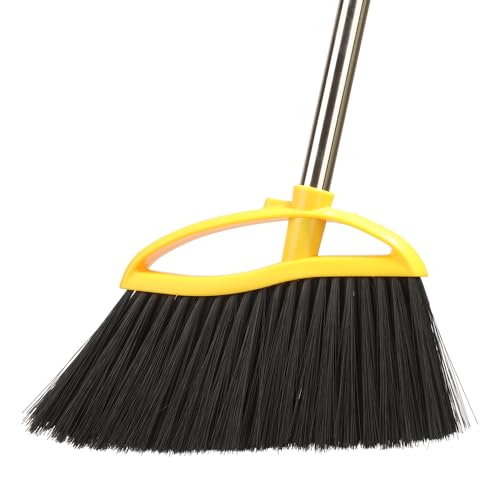
- Soft bristle broom for vinyl floors
- Microfiber flat mop for vinyl floors with replaceable microfiber mop pads for vinyl flooring
- Vinyl floor cleaner spray non-abrasive for everyday cleaning
- Steam mop for vinyl plank flooring (optional for deep cleaning, used with caution)
- Bucket with clean water for rinsing if needed


Before You Start
Prepare a clear, dry workspace and remove loose debris from floor surfaces. Test any cleaner or steam method on a small, inconspicuous area first to ensure there is no discoloration or dulling. Use low heat settings on steam mops and never leave standing water on vinyl floors. Allow freshly cleaned areas to air dry or dry with a clean microfiber pad to minimize moisture exposure.
Step-By-Step: How To Keep Vinyl Floors Clean
- Begin with a thorough dry clean using a soft bristle broom for vinyl floors to sweep up dust, sand, and grit.
- Optionally vacuum with a vacuum head designed for hard floors, ensuring no beater bars contact the vinyl surface.
- Attach a microfiber flat mop for vinyl floors and a clean microfiber mop pad for vinyl flooring to collect fine particles without scratching.
- Lightly mist a small amount of vinyl floor cleaner spray non-abrasive onto the mop pad or floor, following label directions for dilution if required.
- Mop in straight, overlapping passes, moving with the grain of the floor to lift dirt efficiently.
- For stubborn spots such as dried spills, apply a little cleaner directly and let it sit for a few seconds before agitating with the mop head.
- If using a steam mop for vinyl plank flooring, keep the nozzle at a safe distance and avoid prolonged exposure on one spot; always finish with a dry microfiber pad to absorb moisture.
- Rinse the mop head frequently or replace with a clean pad to prevent re-depositing dirt.
- Allow floors to air dry completely or buff with a dry microfiber pad for a brighter finish.
- Repeat the process as needed, establishing a routine based on traffic levels and household pets.
- Store cleaning tools in a dry area to prevent mildew and ensure quick future cleanups.
Troubleshooting
| Symptom | Likely Cause | Fix | Prevention |
|---|---|---|---|
| Streaks after mopping | Residue from cleaner or hard water | Rinse with a fresh mop and use less cleaner | Use distilled water and follow dilution guidelines |
| Sticky feel on floor | Too much cleaner or residue | Wipe area with damp microfiber pad until clear | Apply sparingly and mop in small sections |
| Scratches when moving furniture | Grit trapped under legs | Place felt pads under furniture legs | Keep debris off floor before moving items |
| Discoloration after cleaning | Harsh cleaner or heat exposure | Switch to non-abrasive cleaner and avoid high heat | Test cleaner on hidden area first |
| Water pooling | Excess moisture or near seams | Wipe excess water and ensure proper drying | Avoid standing water and use quick-drying methods |
Common Mistakes
- Using abrasive brushes or scrubbing pads that can scratch vinyl surfaces
- Over-wetting the floor, especially with steam mops or high-moisture cleaning
- Relying on a single cleaner for all messes; some stains require spot treatments
- Neglecting to remove grit before mopping, which creates scratches and dullness
Tips For Best Results
- Adopt a routine that matches traffic; high-traffic areas may need light daily cleaning and a more thorough weekly clean
- Rotate between a microfiber flat mop and the steam mop only as needed to extend floor life
- Choose a vinyl floor cleaner spray non-abrasive formulated for vinyl to prevent film buildup
- Keep mop pads separate by floor type to avoid cross-contamination when cleaning different surfaces
- Use door mats to reduce tracked dirt from outside and minimize cleaning frequency
Call A Professional
Consider professional help if there are persistent stains, delamination signs, or extensive damage that affects the floor’s appearance or safety. Seek expert assessment if moisture damage, warping, or cracking occurs, as vinyl floors can vary in installation methods and may require specialized care.
FAQ
Is steam cleaning safe for vinyl floors?
Steam can be used cautiously on some vinyl plank floors, but excessive heat or moisture can cause damage. Always follow manufacturer guidance and use the lowest effective setting.
How often should I mop vinyl floors?
Daily sweeping and mopping for high-traffic areas, with a deeper clean weekly or biweekly using a vinyl-friendly cleaner.
Can I use any cleaner on vinyl floors?
Use non-abrasive cleaners designed for vinyl. Avoid ammonia or bleach-based products that can dull or damage the finish.
What should I do about spills?
Wipe spills immediately with a damp microfiber cloth or mop to prevent staining and moisture buildup.
Buying Guide
The right cleaning toolkit for vinyl floors balances effectiveness with care. Key buying factors include size and layout of spaces, noise considerations for mopping, energy and water usage, control options on mopping devices, and placement strategies within rooms.
Size and layout influence whether a standard microfiber flat mop for vinyl floors plus a spare microfiber mop pads for vinyl flooring kit is sufficient, or if longer handles and wider heads help cover large areas. Noise level matters for homes with shared spaces or late cleaning sessions; look for quiet motor and low-friction pads. Energy efficiency aligns with devices like steam mops that use heat and water efficiently, and some models offer energy-saving modes.
Controls should be intuitive, with simple spray activation, adjustable steam, and indicators for pad wear. Placement considerations include keeping cleaning products away from food prep areas and storing tools in a dry, accessible closet. When comparing options, consider the durability of pads and the availability of compatible replacements, as well as the compatibility of cleaners with vinyl floors to minimize dulling or residue.
In practice, a basic setup featuring a soft bristle broom for vinyl floors, a microfiber flat mop for vinyl floors, and a supply of vinyl floor cleaner spray non-abrasive provides solid coverage for most homes. For occasional deep cleaning, a cautiously used steam mop for vinyl plank flooring can augment routine cleaning without risking damage if used correctly. Always follow manufacturer guidance for your specific vinyl flooring type to maintain beauty and longevity.