Moisture buildup in homes can lead to damp walls, mold growth, and musty odors. This practical guide explains proven steps to reduce indoor humidity, improve air quality, and protect structural integrity. It combines simple elevations in ventilation with targeted devices to maintain a healthy, comfortable home environment.
Quick Answer
Control humidity fast by pinpointing sources, improving ventilation, and using a dedicated dehumidifier or desiccants. Pair a reliable indoor humidity monitor with a capable dehumidifier to maintain your preferred RH range, typically between 30% and 50% for living spaces.
What You’ll Need
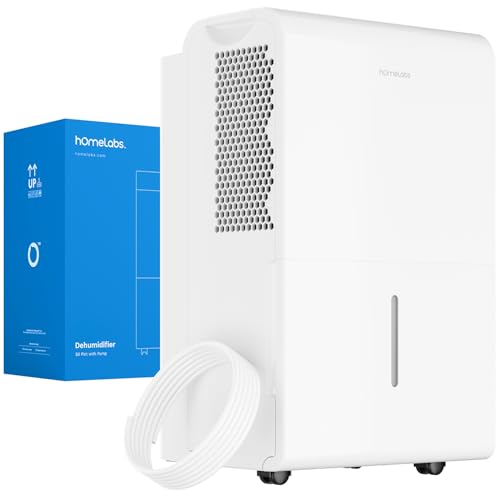
- home dehumidifier with humidistat
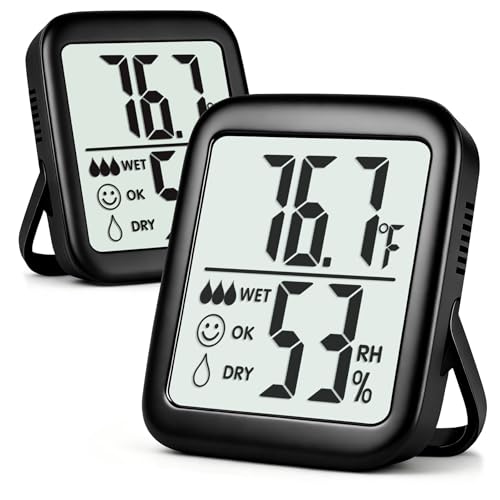
- digital hygrometer indoor humidity monitor
- silica gel moisture absorber desiccant for closets
- mold remediation kit moisture control
- basement dehumidifier 50 pint with auto shutoff

Before You Start
Check for obvious sources of moisture such as leaks, roof issues, or plumbing drips. Clear damp basements, bathrooms, and laundry areas of standing water and ensure proper drainage away from the foundation. Safety first: unplug electrical outlets if exposed to water, wear a mask when dealing with mold, and follow all manufacturer instructions for dehumidifiers and desiccants. Time estimates vary by space; plan a full day for setup in larger areas and a few hours for smaller rooms.
Step-By-Step: How To Reduce Humidity In A Home
- Measure current humidity with a digital hygrometer indoor humidity monitor to establish a baseline.
- Identify high-moisture zones such as basements, crawl spaces, bathrooms, and kitchens; note any leaks or condensation patterns.
- Choose a primary moisture-control method (dehumidifier with humidistat or moisture absorbers) based on room size and climate.
- Position a basement dehumidifier 50 pint with auto shutoff in the area with the highest humidity, ensuring adequate clearance for airflow.
- Set the dehumidifier to a target RH around 45% for living areas and 40% for basements or damp spaces; engage the humidistat to maintain steady moisture levels.
- Use a digital hygrometer indoor humidity monitor in a central location to continuously track RH, adjusting settings as needed.
- Rotate and refresh silica gel moisture absorber desiccant for closets or other enclosed spaces to prevent localized dampness.
- Address any mold growth with a mold remediation kit moisture control, following safety instructions and cleaning protocols.
- Improve air circulation with fans and by opening doors between rooms; consider exhaust ventilation in kitchens and bathrooms.
- Seal obvious moisture ingress points, insulate cold surfaces, and repair leaks promptly to prevent recurring humidity spikes.
- Regularly inspect the system and replace or recharge desiccants as needed; maintain a routine monitoring schedule.
- Schedule seasonal checks before humid months to preempt dampness from rain, humidity, or snowmelt.
Troubleshooting
| Symptom | Likely Cause | Fix | Prevention |
|---|---|---|---|
| Room feels damp even with a dehumidifier running | Insufficient capacity for the space | Upgrade to a larger unit or add an additional dehumidifier | Run units during peak humidity hours, close off unused spaces |
| Humidifier readings vary wildly | Hygrometer calibration drift | Calibrate or replace the monitor; place away from heat sources | Use a second sensor for cross-checking |
| Condensation on windows | Cold surface condensation and high RH near glass | Increase airflow and reduce RH; install window insulation kits | Maintain consistent indoor RH year-round |
| Mold reappears after cleaning | Persistent moisture source | Eliminate the source and use mold remediation kit moisture control | Continuous monitoring and timely maintenance |
Common Mistakes
- Relying on a single small dehumidifier for a large space
- Ignoring hidden moisture behind walls or under flooring
- Not using a humidistat or hygrometer to track RH
- Overlooking ventilation in bathrooms and kitchens
Addressing moisture requires a combination of detection, ventilation, and targeted dehumidification rather than relying on one method alone.
Tips For Best Results
- Place dehumidifiers in central locations rather than corners or behind furniture to maximize airflow.
- Pair a dehumidifier with an accurate digital hygrometer to maintain precise RH levels.
- Consider pro-grade moisture control for stubborn mold-prone areas and opt for continuous monitoring in damp basements.
- Store belongings in breathable containers and use silica gel desiccants in closets and dresser drawers to suppress moisture pockets.
Call A Professional
Seek professional help if there is: visible widespread mold growth beyond light cleaning, persistent dampness after dehumidification, or structural issues such as water intrusion from leaks or foundation cracks. Serious mold or water damage can compromise indoor air quality and building integrity, requiring specialized assessment and remediation services.
FAQ
What is an ideal indoor humidity level?
Typically between 30% and 50% relative humidity is recommended for comfort and mold prevention.
How do I know if I need a basement dehumidifier?
If the basement feels damp, has a musty odor, or shows visible moisture, a dedicated basement dehumidifier helps control persistent humidity.
Can silica gel replace a dehumidifier?
Desiccants like silica gel help small, enclosed spaces, but a dehumidifier is needed for larger areas or sustained humidity control.
How often should I replace a mold remediation kit moisture control kit?
Follow the product instructions; replace or refresh as recommended after remediation and during ongoing moisture monitoring.
Buying Guide
When selecting moisture-control devices, consider the following factors to ensure the best fit for your home.
- Size and capacity: Choose a unit that matches room volume. A 50-pint dehumidifier generally suits larger basements and medium-to-large living spaces, while smaller rooms may only require a compact unit.
- Noise level: Some units operate quietly; check decibel ratings if the device will be used in living or sleeping areas.
- Energy efficiency: Look for Energy Star-rated models to reduce operating costs over time.
- Controls: A reliable humidistat and simple UI help maintain consistent RH levels.
- Placement: Ensure adequate clearance around the unit and consider proximity to drains or outlets for continuous operation.
- Maintenance: Replace or clean filters and seals as recommended; monitor desiccants in smaller spaces.
- Safety features: Auto shutoff on full tank and overflow protection prevent water damage and electrical hazards.
- Compatibility: If you already use a mold remediation approach, choose tools that integrate with your moisture-control plan.
In some homes, a combination approach—both a dehumidifier in key zones and desiccants in tight spaces—delivers the most consistent results. If dampness persists despite these measures, a professional assessment may reveal hidden moisture sources and mold risks.