Construction dust can spread quickly and pose health risks if not handled properly. This guide explains practical steps to clean up dust from renovation and building sites using common tools designed for contractors and DIY enthusiasts. Emphasis is on HEPA-equipped gear, proper PPE, and methodical cleanup to reduce airborne particles and surface contamination.
Quick Answer
Use a combination of HEPA-filtered vacuums, air scrubbers, and respirators to capture dust at the source, then vacuum and wipe surfaces with damp methods. Start with larger debris, seal off the area when possible, and use personal protection to minimize exposure.
What You’ll Need
- 12 gallon HEPA shop vac for construction dust
- drywall vacuum with HEPA filter for dust collection
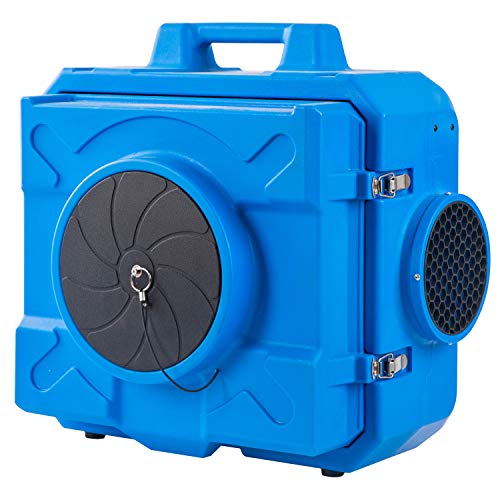
- air scrubber HEPA filter for construction site dust
- dust extractor vacuum for woodworking with HEPA filter
- P100 respirator mask for concrete dust protection
- Protective gloves, safety glasses, and long-sleeve clothing
- Microfiber cloths and dampened mop


Before You Start
Prepare the space by closing doors to the work area, sealing vents, and laying plastic sheeting to contain dust particles. Plan a cleanup path to minimize cross-contamination into clean areas. Set aside a dedicated time window for removal and disposal. Always wear a respirator mask and eye protection when handling dusty tasks, and follow manufacturer instructions for each tool’s operation and filter replacement schedule. Consider combining a portable air scrubber with a HEPA filter to continuously push out dusty air during cleanup.
Step-By-Step: How To Clean Construction Dust
- Shut off and unplug power tools to prevent dust from being created mid-cleanup.
- Use a 12 gallon HEPA shop vac for construction dust to pick up larger debris, chunks, and settled dust from floors and wide surfaces.
- Switch to the drywall vacuum with HEPA filter for dust collection to more finely capture fine dust along walls and corners.
- Place an air scrubber HEPA filter for construction site dust in the room to continuously purify the air as cleaning progresses.
- Vacuum overhead surfaces and ceiling corners carefully, using a soft brush attachment to dislodge dust without scratching surfaces.
- Wipe hard surfaces with a slightly damp microfiber cloth, moving from top to bottom to prevent resettling dust on cleaned areas.
- Run the air scrubber for several hours after the initial cleaning to reduce lingering particles in the air.
- Remove plastic sheeting and sealant barriers gradually, then vacuum once more with the HEPA-equipped vacuums to pick up any dust tracked through the plastic.
- Dispose of dust collection bags or canisters according to local waste guidelines, and replace filters if visibly dirty.
- Conduct a final check by wiping surfaces and verifying that air quality feels clearer and dust is minimized.
- Wrap up with a routine cleaning to maintain a dust-free environment during ongoing work.
Troubleshooting
| Symptom | Likely Cause | Fix | Prevention |
|---|---|---|---|
| Vacuum loses suction | Clogged filter or debris blockage | Check and replace HEPA filter; empty canister | Regularly check filters during heavy dust work |
| Air scrubber runs loudly | Dirty or misfitted filter | Replace HEPA filter and ensure seals are tight | Schedule filter changes and seal checks |
| Dust resettling after cleaning | Insufficient air cleaning or gaps in containment | Increase air scrubber runtime; reseal barriers | Maintain containment and continuous filtration |
| Mask discomfort or poor fit | Improper sizing or worn-out respirator | Adjust fit or replace with a new P100 respirator | Fit-testing and proper storage of PPE |
Common Mistakes
- Using non-HEPA vacuums for dusty cleanup, which resettles fine particles
- Dry sweeping or sweeping with cloths that knock dust back into the air
- Overlooking PPE protection or wearing ill-fitting masks
- Neglecting to seal off the work area or using inadequate containment
Tips For Best Results
- Work from top to bottom to prevent settled dust from falling onto cleaned areas
- Choose vacuum attachments that match the surface being cleaned for efficiency
- Calibrate filtration devices to ensure proper air exchange rates in the space
- Use damp-dusting techniques on textured surfaces to minimize particle resuspension
- Keep a routine cleaning schedule for ongoing projects to limit cumulative dust exposure
Call A Professional
In cases of extensive contamination, complex ventilation systems, or large-scale renovations, consult a professional. Stop cleaning if dust exposure rises beyond comfortable levels, if you notice persistent coughing or irritation, or if there is visible mold or hazardous materials involved. A licensed contractor or industrial hygienist can assess air quality and recommend appropriate remediation steps.
FAQ
What type of vacuum is best for construction dust?
A vacuum with a true HEPA filter, such as a 12 gallon HEPA shop vac or a drywall vacuum with HEPA filtration, is recommended for capturing fine dust.
Can I reuse dust masks after cleaning?
Use disposable P100 respirators or replace filters according to the manufacturer’s guidance to maintain protection.
How long should an air scrubber run during cleanup?
Run the air scrubber continuously during cleanup and for several hours afterward to maximize particle removal.
Is damp mopping enough for dust cleanup?
For fine construction dust, combine damp mopping with HEPA vacuuming to minimize resuspension and achieve better surface cleanliness.
Should I seal the work area?
Yes, close doors and seal vents to contain dust and improve cleanup effectiveness.
When is it necessary to call a pro?
When dust levels remain high, containment is difficult, or hazardous materials are suspected, seek professional remediation guidance.
How often should filters be replaced?
Replace filters according to usage and manufacturer recommendations, especially in high-dust environments.
Buying Guide
When choosing equipment to clean construction dust, consider size, noise, energy use, and portability. A larger-capacity HEPA shop vac can handle thick debris, while a drywall vacuum with HEPA is better for fine dust along walls. An air scrubber improves overall air quality but requires proper placement for optimal circulation. For protection, a P100 respirator mask provides robust filtration for concrete dust. Look for certifications such as HEPA filters meeting standards (HEPA H13/H14) and filters designed for industrial dust. Noise levels, power options, and filter replacement costs are practical considerations for ongoing job sites. Finally, ensure compatibility between tools and their attachments so they can share accessories and bags as needed. Would you benefit from a compact option for tight spaces or a larger system for open areas? Planning around the site size and workflow helps maximize dust control and cleanup efficiency.