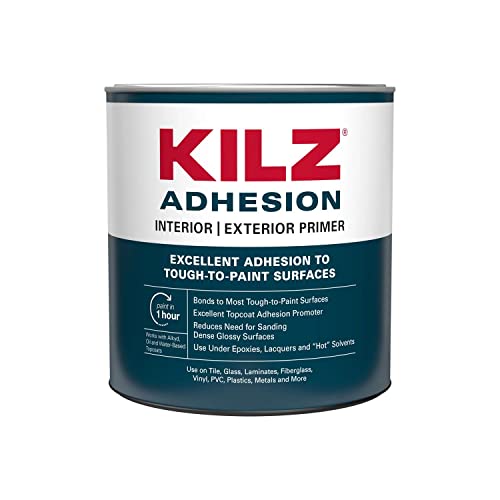
Cleaning Kilz primer from brushes is a common task for DIYers and professionals who use oil-based primers. Proper cleaning extends brush life, preserves bristle integrity, and ensures future coats apply smoothly. This guide provides practical, step-by-step instructions and safe handling tips for removing Kilz primer residues effectively.
Quick Answer
Rinse the brush with mineral spirits to loosen primer, work the bristles with a dedicated brush cleaner soap, then repeat with clean solvent until the bristles are free of residue. Finish with warm water and a mild soap, and reshape the brush before drying.
What You’ll Need
- Mineral spirits for cleaning oil-based primer brushes Kilz
- Kilz primer brush cleaning kit
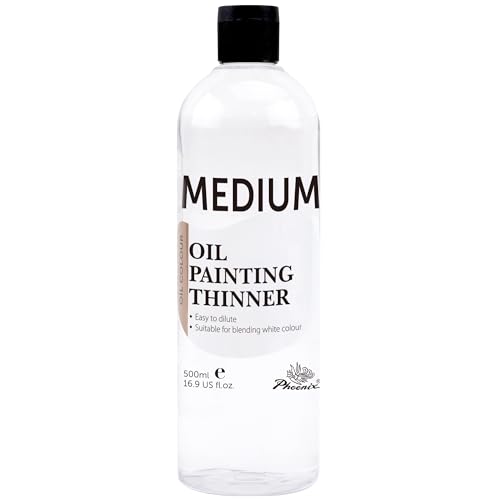
- Oil-based paint brush cleaner solvent for primers
- Paint thinner brush cleaner for oil-based primers
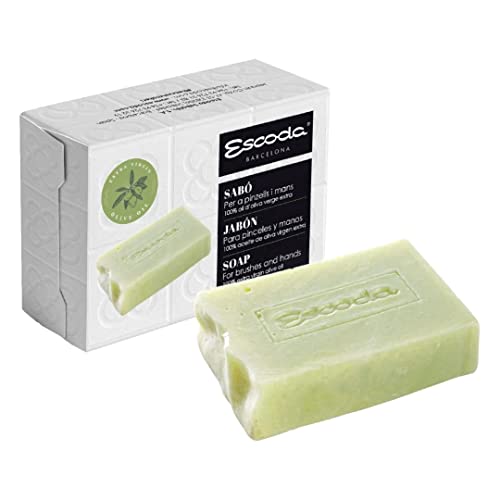
- Brush cleaner soap for oil-based primer Kilz brush
Before You Start
Ventilate the workspace well and wear gloves to protect skin from solvents. Protect countertops or a work tray with a disposable liner. Test a small area of the brush first to ensure the bristles won’t fray. Plan for a two-step cleaning process: initial solvent wash, then a dedicated brush cleaner soap wash. Allow ample drying time to prevent mold growth on bristles.
Critical cautions: never pour solvent down the drain and store solvents away from heat or flames. Do not soak natural-bristle brushes for extended periods, which can damage the bristles and loosen glue joints.
Step-By-Step: How To Clean Kilz Primer Off A Brush
- Remove excess primer by wiping the brush on the edge of the can until only a small amount remains.
- Fill a disposable container with mineral spirits for cleaning oil-based primer brushes Kilz. Submerge the bristles and gently swirl for 1–2 minutes to loosen the primer.
- Gently comb the bristles with a metal brush or your fingers to release stubborn blobs without pulling fibers.
- Rinse the brush under clean mineral spirits, repeating the swirl until the solvent runs clear.
- Apply a small amount of brush cleaner soap for oil-based primer Kilz brush to the bristles and work into a lather, focusing on the base near the ferrule where primer often hides.
- Rinse again with warm water and repeat the soap wash if any residue remains. Avoid hot water that can damage the bristles.
- Rinse thoroughly with clean water, then squeeze out excess moisture using a microfiber towel. Reshape the bristles to their original form.
- Lay the brush flat or hang with the bristles facing downward to dry completely. Do not stand the brush on its bristles while wet, which can deform them.
- Inspect after drying. If any primer remains, repeat the solvent and soap steps before storing.
- Store the brush in a protective sleeve or wrap to prevent dust buildup and keep it ready for the next project.
Troubleshooting
| Symptom | Likely Cause | Fix | Prevention |
|---|---|---|---|
| Residue remains after first wash | Primer built up near the ferrule | Repeat soap wash and scrub gently | Clean brushes promptly after use |
| Bristles feel stiff after drying | Over-drying or solvent overuse | Rinse well and condition with a mild brush conditioner | Limit solvent exposure and dry properly |
| Bristles shed during cleaning | Over-aggressive scrubbing or poor-quality brush | Be gentler; consider a new brush if shedding continues | Use appropriate bristle type for oil-based primers |
| Soap residue leaves a film | Insufficient rinsing | Rinse with warm water until no soap remains | Rinse thoroughly after each cleaning step |
Common Mistakes
- Using water to clean an oil-based primer brush before solvent immersion, which seals in the oil-based residue.
- Leaving brushes soaking in solvent for long periods, which can degrade bristles and loosen glue joints.
- Skipping the final soap wash, resulting in dull, uneven application later.
- Not reshaping bristles after washing, which can lead to misshapen brushes.
Tips For Best Results
- Work in a well-ventilated area and keep solvents away from heat sources to reduce fumes and fire risk.
- Use a dedicated cleaning kit for Kilz and other oil-based primers to avoid cross-contamination with water-based products.
- Follow a consistent routine: solvent wash, soap wash, rinse, dry, and store.
- Consider a brush with synthetic bristles for oil-based primers, which resist breakage and hold up to solvents longer.
- Label brushes by type and intended use to prevent confusion between oil- and water-based products in future projects.
Call A Professional
Seek professional help if brushes are heavily damaged, the bristles have hardened despite cleaning, or if you encounter fumes that cause dizziness or headaches. Do not attempt to salvage brushes that show signs of dried primer deep in the ferrule or significant bristle loss.
FAQ
Can I clean Kilz primer brushes with any soap?
Soap alone is not sufficient for oil-based primers; use mineral spirits or an oil-based brush cleaner soap designed for primers in combination with a dedicated brush cleaner.
How long does it take to clean Kilz primer off a brush?
Plan 15–30 minutes per brush for a thorough cleaning, including solvent and soap washes plus drying time.
Is mineral spirits safe for all brush types?
Most oil-based primers tolerate mineral spirits, but always check the brush manufacturer’s care instructions to avoid bristle damage.
What should I do with used mineral spirits?
Store used solvent in a closed container, allow solids to settle, then dispose of according to local hazardous-waste guidelines.
Buying Guide
When selecting products for cleaning Kilz primer from brushes, consider size, solvent strength, and compatibility with brush types. For example, a Kilz primer brush cleaning kit typically includes a dedicated brush cleaner soap and a compatible solvent, streamlining maintenance. Compare mineral spirits designed for oil-based primers for efficacy and odor control. A paint thinner brush cleaner can be an alternative if it is labeled for use with primers and compatible with your brush fibers. Ensure containers are clearly labeled and stored in a well-ventilated space. Finally, choose a cleaning regimen that fits your project volume and brush material to maximize brush life and maintain smooth coating performance.