Wooden floors add warmth and character to any room, but keeping them clean without damage requires the right approach. This guide focuses on safe practices for polyurethane-finished wood, using appropriate cleaners, tools, and routines suited to American homes. Readers will learn practical steps, common pitfalls, and buying considerations to maintain luster and durability.
By following these methods, homeowners can minimize dulling residues, scratches, and water marks while preserving the natural beauty of hardwood floors.
Quick Answer
Best overall routine: use a pH neutral hardwood floor cleaner spray, paired with a microfiber mop for sealed wood. For occasional deeper cleaning, consider a Bona hardwood floor care kit and wood floor cleaning wipes safe for polyurethane. Avoid soaking the floor; dry or lightly dampen as directed.
What You’ll Need
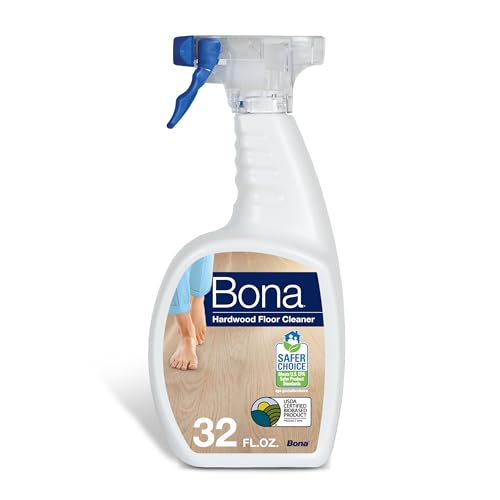
- pH neutral hardwood floor cleaner spray 32 oz polyurethane safe
- Microfiber mop for hardwood floors sealed wood
- Steam mop for hardwood floors safe for polyurethane
- Bona hardwood floor care kit
- Wood floor cleaning wipes safe for polyurethane finish


Before You Start
Prepare the area by removing furniture or placing soft pads under legs. Sweep or vacuum to remove grit that can scratch the surface. Avoid excess moisture; water can seep into seams and damage wood over time. Test cleaners in a small, inconspicuous area before full use. Allow floors to acclimate to room conditions if recently installed or refinished. Time estimates: quick wipe-downs take 10–15 minutes; a full clean day in a medium-sized home may take 30–60 minutes.
Step-By-Step: How To Clean Wooden Floors Effectively
- Prepare the floor by removing debris with a broom or vacuum designed for hard floors.
- Apply a pH neutral hardwood floor cleaner in a light mist to the microfiber mop, not directly onto the floor.
- Wipe in the direction of the wood grain to lift dirt while reducing streaks.
- For stubborn spots, use a small amount of cleaner on a microfiber cloth and rub gently; avoid abrasive scrubbers.
- For routine maintenance, use the microfiber mop for hardwood floors sealed wood to prevent water pooling and absorb residual moisture.
- Dry the floor with a clean, dry section of the microfiber pad or a separate dry cloth to remove any moisture.
- Optionally, use a wood floor cleaning wipes safe for polyurethane finish for quick touch-ups in high-traffic areas.
- Every few months, consider a deeper clean with the Bona hardwood floor care kit, following the package directions for refinish-safe care.
- Avoid steam mops as a default method; if using a steam mop for hardwood floors safe for polyurethane, ensure the appliance is set to the lowest heat and humidity and test first in a hidden area.
- Reassess the floor’s finish periodically; reapply protective coatings as recommended by manufacturers to maintain durability.
- Store cleaners in a cool, dry area away from children and pets when not in use.
Troubleshooting: Common Floor Care Issues
| Symptom | Likely Cause | Fix | Prevention |
|---|---|---|---|
| Streaks after mopping | Residue from cleaner or dried film | Switch to a pH neutral cleaner and use a damp, not wet, mop | Avoid over-wetting; wipe dry |
| Water spots or rings | Excess moisture | Dry promptly; use minimal cleaning solution | Use well-wrung microfiber mop |
| Scratches in finish | Grit trapped in pad or abrasive tools | Clean with soft pads; switch to microfiber only | Pick up debris before mopping |
| Fading or dull patches | Harsh cleaners or UV exposure | Use pH-neutral products; protect with rugs or blinds | Rotate high-traffic areas and shade windows |
| Peeling or lifting finish | Over-wetting or incompatible products | Discontinue unsuitable products; consult manufacturer | Follow product directions precisely |
Common Mistakes To Avoid
- Using abrasive pads or steel wool on sealed wood
- Applying cleaners directly to the floor rather than to the mop
- Letting water pool on the surface or into seams
- Relying solely on steam mops for polyurethane finishes
- Over-wetting floors after refinishing or cleaning
Tips For Best Results
- Establish a regular routine: dry sweep daily, damp-mop weekly, deep-clean monthly.
- Choose a cleaner labeled safe for polyurethane finishes and pH-neutral formulations.
- Use a high-quality microfiber mop to maximize dirt pick-up and minimize moisture.
- For busy households, keep spare cleaning wipes on a lower shelf for quick refreshes in entryways and kitchens.
- Place doormats at entrances to reduce tracked-in grit that can scratch or dull surfaces.
Call A Professional
Consult a flooring professional if there is extensive damage, water intrusion, or visible finish wear that affects the floor’s appearance or structural integrity. Seek expert guidance for refinishing, resealing, or replacing severely damaged boards. Stop and contact a pro if peeling, cupping, or soft spots appear after cleaning attempts.
FAQ
Is a steam mop safe for all wooden floors?
Steam mops can be safe when used on polyurethane-finished wood and kept on a low setting with minimal moisture, but they are not ideal for every finish. Always test in an inconspicuous area first.
Can I use regular household cleaners on wooden floors?
Most household cleaners aren’t appropriate for wood. Use a pH-neutral hardwood floor cleaner spray designed for polyurethane finishes.
How often should I clean my wooden floors?
A routine damp-mop once a week or every other week, plus spot-cleaning as needed, helps maintain a PU finish. Deep-clean with appropriate products every few months.
What helps prevent scratches on sealed wood floors?
Use a microfiber mop, avoid abrasive tools, keep grit off floors, and place protective pads under furniture legs.
Should I use cleaning wipes on wood floors?
Yes, select wipes labeled safe for polyurethane finishes for quick touch-ups in high-traffic areas.
What’s the best way to finish a cleaning session?
Always dry the floor after cleaning to remove any remaining moisture and prevent water damage.
Buying Guide
When selecting products to care for wooden floors, consider size, force of cleaning, and floor type. Key buying factors include
- Size and coverage: Choose cleaners and wipes that suit the floor area. Large spray bottles or refill packs reduce the frequency of repurchases.
- Noise level: Steam mops can be louder; opt for quieter options if noise is a concern in multi-room homes.
- Energy efficiency: Look for efficient steam mops and low-energy cleaners that still deliver effective cleaning.
- Controls: Simple spray-and-mop systems with precise control reduce over-wetting and waste.
- Placement: Store cleaning supplies in an accessible area away from children or pets; consider a dedicated cleaning cart or caddy.
- Finish compatibility: Ensure products are labeled safe for polyurethane finishes and sealed floors.
- Maintenance cadence: A simple routine with a Bona hardwood floor care kit and compatible microfiber mops can simplify upkeep.
Thinking about your home’s layout, foot traffic, and pets can help determine which combination of tools and cleaners will deliver the best long-term results.