Fruit flies are a common nuisance in kitchens, especially during warm months or after fruit is left out. A DIY approach combines prevention with quick, effective trapping to reduce their numbers and keep them away. This guide walks through practical steps, using common household methods and commercially available traps to tackle fruit fly infestations in American homes.
Quick Answer
Best first move: remove attractants by cleaning surfaces, disposing of overripe fruit, and sealing trash. Then deploy traps such as a USB-powered electronic fruit fly killer trap and funnel-based traps to intercept and reduce populations quickly. Combine EPA-approved bait options with sticky traps for best results.
What You’ll Need
- Electronic fruit fly killer trap USB powered
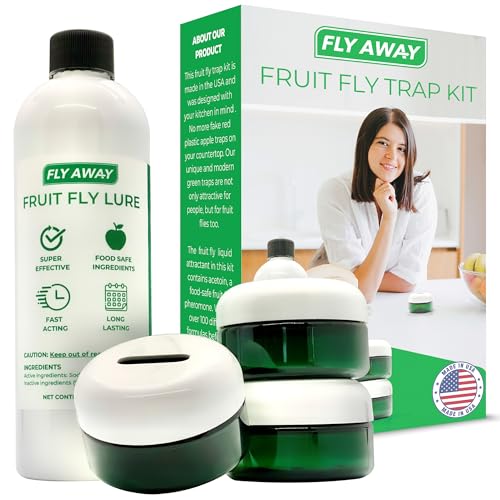
- Fruit fly trap kit with bait and reusable jar
- Sticky fruit fly trap sheets for kitchen
- Reusable fruit fly trap with funnel and lid
- Plastic funnel insect trap for fruit flies


Before You Start
Before tackling the problem, gather all tools and prepare the space. Clear the countertop of ripe fruit and washing dishes to remove attractants. Empty trash bins regularly and seal bags tightly. Wear gloves when handling traps or cleaning solutions to reduce skin contact. Allow plenty of airflow in the kitchen while traps work, and set aside time for monitoring over several days. Estimate 1–3 days for noticeable improvements, with ongoing maintenance to prevent regrowth.
Step-By-Step: How To Get Rid Of Fruit Flies Diy
- Identify hotspots where fruit flies concentrate, typically near fruit bowls, drains, or garbage.
- Remove ripe fruits, dispose of overripe produce, and wipe down surfaces with a clean, vinegar-free cleaner to remove residues that attract flies.
- Set up a electronic fruit fly killer trap USB powered in the active area to attract and electrocut fruit flies without messy residues.
- Position a fruit fly trap kit with bait and reusable jar near the problem zone, following the package directions for bait placement.
- Use sticky fruit fly trap sheets for kitchen on nearby walls or cabinet doors to capture strays and reduce adult numbers.
- Place a reusable fruit fly trap with funnel and lid at the edge of the counter to intercept incoming flies into the trap.
- For larger infestations, supplement with a plastic funnel insect trap for fruit flies in a secondary location, like near the sink or compost bin.
- Check traps daily; replace or refresh bait and sticky sheets as needed every few days to maintain effectiveness.
- Clean the area around traps during the monitoring period to maintain hygiene and prevent re-attraction.
- Seal any gaps under doors or around drains that could allow flies to enter from outside, and prune outdoor fruit trees to reduce nearby breeding.
- After several days, reassess and continue trapping for another week if populations persist, then switch to a maintenance routine to prevent return.
Troubleshooting
| Symptom | Likely Cause | Fix | Prevention |
|---|---|---|---|
| Traps not catching flies | Insufficient attractant or misplacement | reposition closer to breeding sites, refresh bait | Keep surfaces clean and store fruit properly |
| Many flies near fruit bowl | Exposed fruit or poor cleaning | Remove ripe fruit, wash bowls, discard juice spills | Wash fruit before consuming or storing |
| Sticky sheets not adhering to surface | Dusty or slick surface | wipe surface clean, dry before applying | Choose matte finishes on kitchen walls |
| No improvement after a week | External breeding sites or drain flies | Check drains, use enzymatic cleaners | Maintain traps and sanitation weekly |
Common Mistakes
- Leaving traps unattended for too long without refreshment
- Using traps far from activity zones, reducing capture rate
- Ignoring drain hygiene, where many fruit flies breed
- Relying on a single trap type; combining traps yields better results
By avoiding these missteps, the DIY approach becomes more predictable and effective.
Tips For Best Results
- Combine traps with thorough sanitation: wipe down counters, clean drains, and dispose of overripe fruit promptly.
- Rotate trap types to prevent flies from learning to avoid a single trap style.
- Keep trap areas accessible but out of reach of children and pets where feasible.
- Label and track trap effectiveness to decide when to refresh bait or replace traps.
- Consider nighttime operation of certain traps to catch flies before they settle.
Call A Professional
If the infestation persists beyond two weeks despite diligent trapping and sanitation, seek professional pest control. Signs to stop DIY efforts and call a pro include a rapidly expanding population, presence of larvae in drains, and a strong, persistent odor that suggests hidden breeding sites.
FAQ
What attracts fruit flies to kitchens?
Ripe or rotting fruit, juice, alcohol, and residues on surfaces attract fruit flies and can sustain rapid breeding cycles.
How long does a DIY trap take to work?
Most households notice improvement within 3–7 days, with full control often seen within 1–2 weeks when combined with sanitation.
Are there non-toxic options?
Yes. Many DIY traps use food-grade attractants or commercial bait that is non-toxic to humans and pets when used as directed.
Can I reuse traps after they catch flies?
Yes, many traps are reusable after cleaning. Replace bait as recommended by the manufacturer to maintain effectiveness.
Should I throw away baited traps after use?
Dispose of spent bait and trap components according to product instructions to prevent odors and re-attraction.
Buying Guide: Choosing The Right Fruit Fly Control Tools
When selecting tools for fruit fly control, consider size of the space, typical fly activity, and maintenance preferences. Size matters: larger kitchens benefit from multiple trap types placed in strategic locations, while small spaces may only need one or two compact traps. Noise level is a consideration for open-plan areas where quiet operation is preferred. Energy efficiency matters for USB-powered traps used continuously; look for low-power designs. Controls should be simple: easy-on/easy-off, and clear bait indicators help with maintenance. Placement should be near breeding sites (drains, fruit bowls) but out of reach of kids and pets. Consider how easy it is to clean and replace components from a maintenance standpoint. Compare trap types—electronic, jar-and-bait, sticky sheets, and funnel traps—to fit your household routine. For households dealing with recurring issues, a multi-trap setup often yields the best long-term results.