Recliners add comfort to any living space, but their fabrics and leathers endure daily use. A well-planned cleaning routine helps preserve appearance and extend the life of the chair. This guide covers practical methods for various materials and common stains, using consumer-friendly products available in the U.S. market.
Whether you own a leather recliner or a fabric model, following the right steps reduces wear and keeps upholstery looking fresh. Readers will find a quick overview, a detailed step-by-step process, safety tips, troubleshooting, and buying guidance to choose compatible cleaning products.
Quick Answer
Identify your recliner fabric or finish, choose appropriate cleaners, and perform a gentle clean to remove dirt without saturating the upholstery. For routine maintenance, vacuum or brush weekly, spot-clean stains promptly, and use a protective cleaner suited to the material.
What You’ll Need
- Leather recliner cleaner spray 12 oz
- Fabric recliner upholstery cleaning kit
- Stain remover for recliner chair sofa
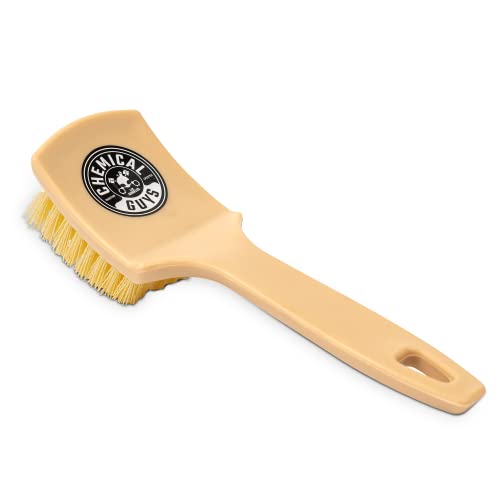
- Recliner cleaning brush kit for upholstery
- Portable handheld steam cleaner for upholstery


Before You Start
Inspect the recliner for tag instructions or care labels. Test any cleaner on a hidden area to check colorfastness. Use a worded damp test on fabric and a small, inconspicuous section of leather. Keep pets and children away during cleaning. Do not saturate fabric or leather; excess moisture can cause staining or damage. Plan for adequate drying time—often 2–6 hours, depending on airflow and room humidity.
Step-By-Step: How To Clean A Recliner
- Remove loose dirt by vacuuming the chair thoroughly, including crevices and under cushions, using a brush attachment.
- For fabric upholstery, apply a fabric cleaner from the cleaning kit to a small area and blot with a clean cloth to test for color fastness.
- Spot-treat stains with a dedicated stain remover for recliners; work from the outside of the stain toward the center to prevent spreading.
- Gently scrub fabric using the recliner cleaning brush kit for upholstery in a circular motion to lift embedded dirt.
- For leather recliners, spray a leather recliner cleaner on a microfiber cloth and wipe evenly; avoid spraying directly onto the surface to prevent oversaturation.
- Use a handheld steam cleaner for upholstery to lift soil and refresh fibers, keeping the nozzle at a safe distance and allowing the surface to dry between passes.
- Wipe down surfaces with a clean, damp cloth to remove any cleaner residue, then pat dry with a towel.
- Let the chair air dry completely before use; open nearby windows or run a fan to speed up drying.
- Optional protection step: apply a fabric or leather conditioner suited to your recliner’s material after it’s fully dry.
- Re-vacuum after drying to help remove loosened dirt and restore fabric nap or leather sheen.
- Store cleaning tools in a dry place and label cleaners for future use.
Troubleshooting
| Symptom | Likely Cause | Fix | Prevention |
|---|---|---|---|
| Stains reappear after cleaning | Residue or insufficient agitation | Reapply stain remover and brush gently; repeat as needed | Test spot, use correct cleaner, avoid over-wetting |
| Discoloration after cleaning | Colorfastness issue | Do not use the product; consult care label | Always test in hidden area first |
| Water rings on fabric | Moisture trapped | Blot and air-dry; use a fan | Moisture control during cleaning |
| Leather feel sticky | Cleaner residue | Wipe with a damp cloth to remove residue | Work in thin layers; avoid oversaturation |
Common Mistakes
- Using strong solvents not approved for the fabric or leather
- Applying cleaner directly to upholstery instead of onto a cloth
- Over-wetting leather or fabric, causing stretching or mold growth
- Skipping a test patch and choosing the wrong cleaner color or finish
Tips For Best Results
- Vacuum weekly to minimize embedded dirt in fabric and crevices.
- Address spills immediately by blotting, not rubbing, to avoid embedding stains.
- Use gentle strokes and avoid aggressive scrubbing on delicate fabrics.
- Rotate cushions if the recliner has removable parts to ensure even cleaning and drying.
- Maintain leather by conditioning after cleaning and conditioning schedules recommended by the manufacturer.
Call A Professional
Consider professional cleaning if a stain is deeply set, the recliner has significant structural damage, or the care label restricts home cleaning. Seek a pro if the frame or springs squeak, if upholstery shows tears, or if cleaning requires chemicals beyond consumer-grade products.
FAQ
Can I use a steam cleaner on leather?
Steam can damage leather; avoid direct heat. Use a leather-safe cleaner and a microfiber cloth instead.
How often should I clean a fabric recliner?
Light cleaning weekly, and a deeper clean every 3–6 months depending on use and exposure to spills.
What if the fabric fades after cleaning?
Test a small area first and consider a fabric-specific protector or dye-friendly solution; professional advice may be needed for color restoration.
Is it safe to mix cleaners?
No. Mixing cleaners can create chemical reactions that may damage fabric, leather, or irritate skin. Use one product at a time per the label.
Should I remove removable cushions before cleaning?
Yes. Clean cushions separately when possible to reach all fabric surfaces and ensure even drying.
What’s the best storage for cleaning supplies?
Store upright in a cool, dry place away from sunlight and heat sources to maintain effectiveness.
Is professional cleaning expensive?
Costs vary by service area and furniture size, but professional cleaning is recommended for stubborn stains or delicate fabrics.
Buying Guide
When choosing cleaners and tools for a recliner, consider material compatibility, stain types, and drying time. Key factors include size and weight of the chair, noise level of cleaning devices, energy efficiency of any steam systems, and control options for spray bottles or brushes. For households with pets or children, select low-toxicity formulas and fragrance-free options. Placement matters: clean in a well-ventilated area, away from direct sunlight that can fade fabrics or leather. Always match cleaners to the recliner’s material and follow product instructions for best results.