Pink mold is a common issue in dishwashers, thriving in damp, warm corners where moisture lingers. This guide walks through practical, step-by-step methods to safely eliminate pink buildup and prevent it from returning, using common cleaning tools and simple maintenance routines.
Quick Answer
For quick results, run a hot, empty cycle with a dishwasher-safe cleaner or a distilled white vinegar rinse, then thoroughly scrub the door gasket and interior surfaces with dedicated brushes. Finish with a second hot cycle to rinse away loosened residue and sanitize the interior.
What You’ll Need
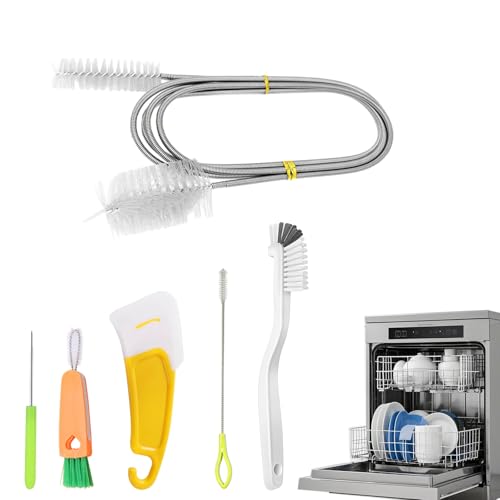
- Dishwasher gasket cleaning brush
- Dishwasher interior scrub brush
- Dishwasher seal scrubber
- Dishwasher cleaning wand tool
- Steam cleaner for appliances dishwasher


Before You Start
Before cleaning, ensure the dishwasher is cool and unplugged or disconnected from power. Remove racks to access all corners and seals. Use gloves to protect hands and a mask if sensitive to cleaning fumes. Time estimate: 60–90 minutes for thorough cleaning and drying. Critical cautions: avoid splashing water on electrical components, never mix cleaners, and never use abrasive tools that could scratch surfaces.
Step-By-Step: How To Remove Pink Mold From Dishwasher
- Run a hot, empty cycle with a dishwasher-safe cleaner to loosen buildup on the interior walls.
- Wipe away loosened residue around the door gasket with the dishwasher gasket cleaning brush.
- Scrub the door seal, then run a second hot cycle with no dishes to rinse away loosened mold.
- Inspect spray arms for clogs; remove any debris with the dishwasher interior scrub brush.
- Clean the area where the gasket meets the tub using the dishwasher seal scrubber for a thorough seal cleaning.
- Apply a steam cleaning pass with the steam cleaner for appliances dishwasher to sanitize hard-to-reach corners.
- Wipe dry all surfaces and reinstall racks; leave the door ajar after cycles to air-dry the interior.
- Schedule monthly deep cleanings and run a maintenance cycle with vinegar or a recommended cleaner to prevent recurrence.
Troubleshooting
| Symptom | Likely Cause | Fix | Prevention |
|---|---|---|---|
| Persistent pink slime on gasket | Moisture pockets in door seal | Deep clean gasket with dedicated tools; ensure proper seal | Leave door slightly open after cycles to dry |
| Musty odor after cleaning | Remaining mold spores | Run hot cycle with cleaner or vinegar; sanitize interior | Regular maintenance cycles |
| Water spots or residue | Hard water minerals | Use rinse aid; run an extra rinse cycle | Water softener or mineral control measures |
| Clogged spray arms | Food debris buildup | Remove arms and clear jets | Rinse dishes well and scrape food scraps |
Common Mistakes
- Trying to scrub mold with abrasive pads that damage seals
- Using vinegar or bleach together, which can release fumes
- Skipping the door gasket and spray arms during cleaning
- Ignoring musty odors that indicate hidden mold behind racks
Tips For Best Results
- Use a dedicated dishwasher cleaning product on a monthly schedule for ongoing prevention
- Pair cleaning with a steam clean for tough, hidden mold spots
- Inspect seals for cracks and replace damaged gaskets promptly
- Keep interior dry between cycles by leaving the door ajar after cleaning
Call A Professional
Stop and seek professional help if mold returns after multiple cleanings, if there is visible mold behind the kick plate, or if electrical components show signs of moisture damage. Complex appliance issues may require a licensed technician or an appliance service visit.
FAQ
Can pink mold harm my health?
Yes, mold can affect air quality; it is best to remove it promptly and maintain clean, dry surfaces.
Is bleach safe to use in a dishwasher?
Bleach can damage some seals and components; follow manufacturer guidance and avoid mixing with ammonia or other cleaners.
How often should I clean my dishwasher?
A monthly light clean plus a quarterly deep clean helps prevent mold growth.
What’s the best way to prevent mold long-term?
Keep doors open after cycles, run hot cycles regularly, and use a rinse aid to prevent mineral buildup.
Buying Guide
When choosing accessories or tools to help prevent and remove pink mold in a dishwasher, consider size compatibility with your unit, build quality, and ease of use. Look for tools that reach into seals and crevices, and prioritize dishwasher-specific brushes and wand tools designed for appliance interiors. A good steam cleaner can provide added sanitizing power for hard-to-reach areas. Assess how the tools integrate with your cleaning routine and whether multiple tools are needed for different surfaces.
Key buying factors include:
- Size and compatibility: Choose tools that fit your dishwasher model and the accessible areas you need to reach.
- Brush design: Look for flexible bristles that won’t scratch seals and corners.
- Effectiveness: Tools with targeted bristles for gaskets and seals improve mold removal.
- Versatility: A cleaning wand or steam option adds sanitizing power for stubborn spots.
- <bMaintenance: Tools that are easy to rinse and dry reduce cross-contamination risk.
Thinking about a package? Compare tool sets that include a gasket brush, interior scrub brush, seal scrubber, and a steam-cleaning option to cover both routine cleaning and occasional deep sanitizing. Consider your kitchen’s cleaning routine, your tolerance for manual scrubbing, and whether you prefer a hands-on approach or added steam-assisted cleaning for appliances.