Ostrich boots stand out with their distinctive texture and rich leather that requires mindful care. Proper cleaning and conditioning help preserve the feathered grain, prevent cracking, and extend the life of the boots. This guide provides practical steps and product suggestions tailored for ostrich leather.
Quick Answer
Gently remove surface dirt, use a dedicated ostrich leather boot cleaner, condition with ostrich leather boot conditioner, and finish with a protective spray designed for ostrich leather. Always test in a hidden area first and avoid direct heat while drying.
What You’ll Need
- ostrich leather boot cleaner
- ostrich leather boot conditioner
- leather boot cleaning brush
- boot care kit ostrich leather
- protectant spray for leather boots ostrich

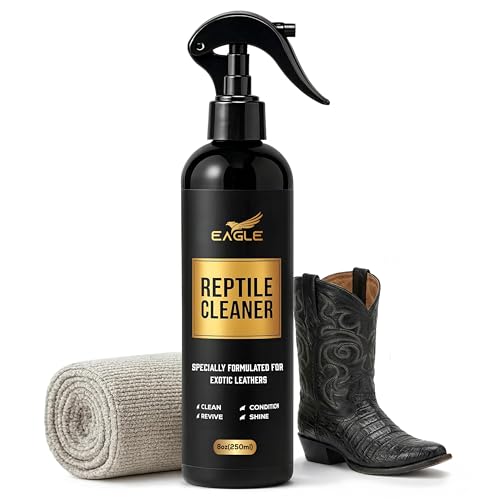
Before You Start
Prepare a clean, dry workspace away from direct sunlight or heat sources. Remove laces or boots from feet and loosely stuff with newspaper or boot trees to help maintain shape as they dry. Test any product in a small, inconspicuous area first to ensure colorfastness. The entire process can take 30–60 minutes, including drying time between steps.
Step-By-Step: How To Clean Ostrich Boots
- Brush off loose dirt with a leather boot cleaning brush, sweeping in the direction of the grain to avoid scratches.
- For stubborn spots, apply a small amount of ostrich leather boot cleaner to a soft cloth and wipe gently in circular motions.
- Wipe away residue with a clean, slightly damp cloth, then allow the boots to air-dry away from heat sources.
- Once dry, rub a small amount of ostrich leather boot conditioner into the surface using circular motions to nourish the grain.
- Let the conditioner absorb for 5–10 minutes, then wipe any excess with a clean cloth.
- Apply a light mist of protectant spray for leather boots ostrich to shield against moisture and stains; allow to dry fully.
- If desired, buff with a soft brush or cloth to restore the natural shine of the ostrich texture.
- Reinsert laces or replace boot trees, and store in a cool, dry place away from direct sunlight.
Troubleshooting
| Symptom | Likely Cause | Fix | Prevention |
|---|---|---|---|
| White residue after cleaning | Soap or cleaner residue | Wipe with a damp cloth and air-dry | Use minimal cleaner and test first |
| Dry, cracked grain | Over-drying or harsh cleaners | Rehydrate with ostrich leather boot conditioner | Avoid heat and harsh products |
| Color transfer or dark spots | Incompatible products | Spot-test cleaners and conditioners before full use | Stick to products formulated for ostrich leather |
| Sticky residue after conditioner | Too much product | Remove excess with a clean cloth | Use sparing amounts in future |
Common Mistakes
- Using standard leather cleaners not formulated for ostrich texture can dull the grain.
- Over-wetting the leather or exposing it to heat during drying.
- Skipping conditioning, which can lead to stiffness or cracks over time.
- Neglecting to test products on a hidden area before full application.
Tips For Best Results
- Clean ostrich boots in a well-ventilated area to avoid inhaling any fumes from cleaners or sprays.
- Apply cleaner, conditioner, and spray in a light, even coat to avoid buildup in the textured areas.
- Store boots with boot trees to maintain shape and prevent creasing in the plume-like grain.
- Rotate cleaning sessions; premium care cadence will depend on wear frequency and climate.
Call A Professional
Seek professional help if the ostrich leather shows deep scratches, color loss, or persistent staining after routine cleaning and conditioning. Immediate signs of dye transfer, swelling, or cracking warrant expert assessment to avoid irreversible damage.
FAQ
Can ostrich leather be cleaned with regular leather cleaners?
Regular cleaners may work in a pinch, but ostrich leather boot cleaner is formulated to respect the unique texture and prevent grain damage.
How often should ostrich boots be conditioned?
Condition when the feel of the leather begins to look dull or dry; for frequent wear, a monthly conditioning cycle works well in moderate climates.
Is a spray protector necessary for ostrich boots?
A protective spray helps shield against moisture and stains, especially in wet climates, but choose one designed for ostrich leather.
What is the best way to dry ostrich boots after cleaning?
Air-dry away from direct heat sources; stuffing with paper or using boot trees helps maintain shape during drying.
Can I use a hairdryer to speed drying?
Avoid direct heat from hairdryers, as excessive heat can damage the textured skin; air-drying is safer.
Buying Guide
When selecting products for ostrich boots, consider size and compatibility with ostrich leather, rather than standard leather. Key buying factors include the following:
- Size and compatibility: Ensure the cleaner, conditioner, and spray are labeled suitable for ostrich leather to protect the unique grain.
- Noise level (for any spray application devices): Choose user-friendly spray bottles that deliver a fine mist to avoid over-application.
- Energy efficiency: Not directly applicable to care products, but choose compact, travel-friendly bottles that minimize waste.
- Controls and application: Look for products with clear usage directions and controlled spray or pump mechanisms to prevent oversaturation.
- Placement and storage: Keep care products in a cool, dry area away from sunlight; store brushes and cloths separately to avoid cross-contamination.
For best results, pair a dedicated ostrich leather boot cleaner with a ostrich leather boot conditioner and a protectant spray for leather boots ostrich. This combination supports grain health, moisture balance, and stain resistance. If your boots see frequent exposure to rain or mud, a regular routine can prevent long-term damage. Curious about which kit fits your needs? Consider a boot care kit ostrich leather that includes all essentials for convenient care in one package.