Backpacks see a lot of wear, from mud and coffee spills to dusty gym sessions. Cleaning them promptly helps extend their life and keeps fabrics from staining or odors taking hold. This guide provides a straightforward, practical approach using common tools and a dedicated backpack cleaning kit. The steps are tailored for American households and work well with standard backpack materials.
Quick Answer
For a fast clean, spot-treat stains with an enzyme stain remover spray, brush away dirt with a soft bristle cleaning brush, and launder inside a dedicated backpack washing bag on gentle cycle. Air-dry completely before use.
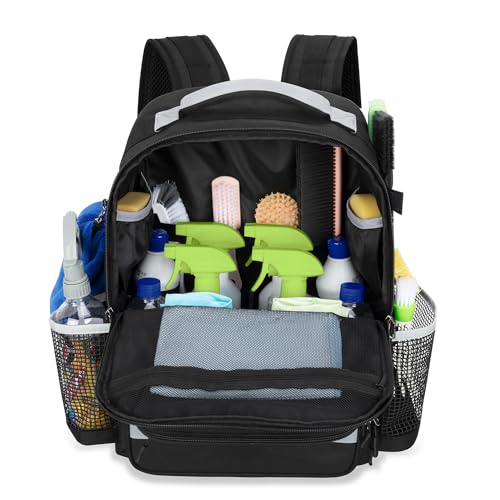
What You’ll Need
- Backpack cleaning kit with brush and stain remover
- Soft bristle cleaning brush for backpacks
- Backpack washing bag for machine washing
- Enzyme stain remover spray for backpacks fabric
- Microfiber cloth set for cleaning backpacks


Before You Start
Prepare a clean, ventilated work area and remove all items from the backpack. Check care labels for fabric specifics and dye stability. Test any cleaner on a hidden seam first. Never put a backpack with leather components in a hot dryer or use bleach on colorful fabrics. Set aside at least 6–8 hours for the cleaning and air-drying process.
Step-By-Step: How To Clean A Backpack
- Empty the backpack completely and shake out debris.
- Pre-treat stains with enzyme stain remover spray, focusing on areas with visible marks.
- Gently brush loose dirt from exterior seams and pockets using the soft bristle cleaning brush.
- Spot-clean stains with a mild cleaning solution diluted in water, applying with a microfiber cloth.
- Prepare the washing bag and place the backpack inside to protect straps and zippers during machine washing.
- Run a gentle cycle with cool or warm water, using a small amount of mild detergent suitable for synthetic fabrics.
- Rinse if needed by another short cycle to remove all soap residue.
- Remove from the bag, reshape the silhouette, and pat dry with a microfiber cloth.
- Air-dry the backpack fully, ideally hanging in a well-ventilated area away from direct heat.
- Re-inspect for any remaining stains or odors and repeat the process on stubborn spots if necessary.
- Reassemble and store in a clean, dry location once completely dry.
Troubleshooting
| Symptom | Likely Cause | Fix | Prevention |
|---|---|---|---|
| Persistent odor after washing | Moisture trapped in folds | Rewash using extra rinse and ensure thorough drying | Dry in a sunny, breezy spot; unzip pockets to ventilation |
| Color fading or dye bleed | Bleach or hot water exposure | Stop using strong cleaners; switch to cool water and gentle detergent | Spot-test cleaners on hidden areas first |
| Stiff fabric after drying | Detergent residue left behind | Rinse thoroughly; consider a second rinse | Use minimal detergent and follow care label |
| Zippers sticking | Dust and fabric fibers | Wipe with microfiber cloth and lubricate lightly with a silicone-based spray | Keep zippers clean during future washes |
Common Mistakes
- Washing heavily soiled backpacks without pre-treating stains
- Using hot water or bleach on mixed fabrics
- Overloading the machine or washing bag, risking damage to hardware
- Skipping thorough drying, leading to mildew
Addressing these issues early helps preserve material integrity and color.
Tips For Best Results
- Always test cleaners on a hidden fabric area before wide use to prevent discoloration.
- Use a dedicated backpack washing bag to protect straps and buckles during machine washing.
- Keep a small spray bottle and microfiber cloth in the kit for quick touch-ups after use.
- Air-dry in shade with good airflow to avoid fabric stiffening and fabric warping.
Call A Professional
Seek professional help if the backpack has leather components, heavy embroidery, or delicate materials like suede. If a stain resists multiple cleaning attempts or if the bag develops mildew that won’t go away, contact a specialist in textile restoration or the manufacturer’s service team.
FAQ
Is it safe to machine wash all backpacks?
Most synthetic backpacks tolerate machine washing with a dedicated bag and gentle cycle, but always check the care label first.
Can I use regular detergent on a backpack?
Yes, but opt for a mild detergent and avoid bleach or fabric softeners that can affect fabrics and coatings.
How do I remove ink stains from a backpack?
Use an enzyme stain remover spray and a soft brush, testing first near a seam. Gently blot rather than scrub hard.
What’s the best way to dry a backpack?
Air-dry completely in a well-ventilated area, away from direct heat or sunlight to prevent fading and material damage.
Buying Guide
When selecting cleaning tools for a backpack, consider size, fabric compatibility, and ease of use. A complete kit with a soft-bristle brush, enzyme stain remover, and a dedicated washing bag streamlines maintenance. Look for microfiber cloths that won’t snag fabric or leave lint. For frequent cleaning, a compact kit travels well and stores neatly in a closet or dorm room. If the bag has sensitive waterproof coatings, confirm compatibility with the cleaner to avoid compromising protective layers.
Buying Factors To Consider
- Size and capacity – Ensure the cleaning bag fits larger backpacks and accommodates bulky shapes.
- Noise level – Manual brushing is silent; machine steps should be gentle to avoid rattling straps or hardware.
- Energy efficiency – Use cold water cycles and minimal energy use; air-drying saves energy compared to heated dryers.
- Controls and ease of use – Simple spray bottles and pre-measured detergents minimize guesswork.
- Placement and storage – Store cleaning supplies in a dry cabinet or bin near laundry areas for quick access.
Is a dedicated cleaning kit worth it for everyday backpacks? For most users, a compact kit with a soft brush, enzyme cleaner, and washing bag provides reliable, repeatable results without costly repairs or professional cleaning.