Clean, efficient shower heads improve water pressure and rinse away mineral buildup without harsh chemicals. Using baking soda is a gentle, effective method that homeowners can perform in minutes. This guide walks through a practical process with common tools and safe practices for American homes.
Quick Answer
Yes, baking soda can remove mineral deposits from most shower heads. Soaking a detachable head in a baking soda solution, plus a quick scrub with a gentle brush, usually restores flow and improves spray pattern. For fixed heads, apply a baking soda paste or bag soak method to loosen scale before a thorough rinse.
What You’ll Need
- Long Reach Shower Head Cleaning Brush
- Shower Head Descaling Kit
- Bathroom Cleaning Brush Set For Shower Head
- Flexible Silicone Scrub Brush For Shower Head
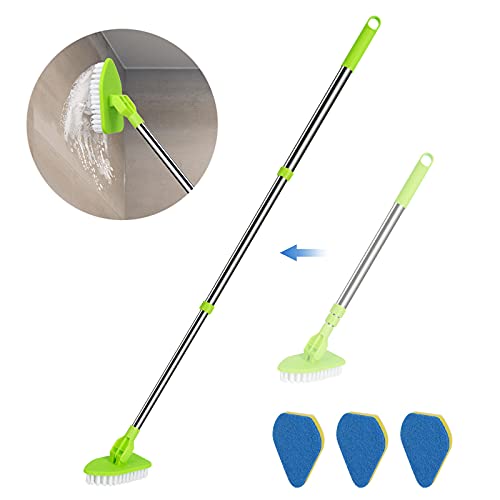
- Extending Bathroom Cleaning Wand For Shower Head


Before You Start
Turn off water to the area and prepare a protective workspace. If the shower head is fixed, you’ll apply methods that do not remove the fixture. Gather a disposable bag or plastic wrap for a gentle bag soak, and keep a towel handy for drips. Safety note: avoid mixing vinegar with baking soda directly in confined spaces beyond the recommended soak durations, as foam and pressure can cause splashes. Expect a 15–45 minute workflow for typical descale and rinse cycles.
Step-By-Step: How To Clean A Shower Head With Baking Soda
- Detach the shower head if possible. If not, prepare to apply a paste or bag soak around the nozzle area using a flexible wand or brush.
- Prepare a cleaning solution: mix baking soda with warm water to form a thick paste, or create a soak by diluting baking soda in water in a small container.
- Apply the paste to the shower head’s surface, focusing on mineral-rich nozzles. Use a flexible silicone scrub brush or bathroom cleaning brush set to work the paste into crevices.
- For detachable heads, submerge the head in the baking soda solution for 15–30 minutes. If using a bag soak, place the head in a bag filled with the solution and secure it for even contact.
- After soaking, scrub again with a brush to loosen scale and mineral deposits around the spray holes.
- Rinse thoroughly with warm water. Reattach the head if it was removed, and run hot water through to flush loose debris.
- Inspect spray patterns. If any nozzles remain clogged, gently rub them with a damp brush or pick to restore flow without scratching the finish.
- Dry the shower head and inspect for uniform spray. If scale reappears quickly, repeat the soak cycle or switch to a dedicated shower head descaling kit for ongoing maintenance.
Troubleshooting
| Symptom | Likely Cause | Fix | Prevention |
|---|---|---|---|
| Weak spray after cleaning | Residue remains in nozzles | Re-soak and scrub with a soft brush | Regular maintenance, monthly cleanings |
| Head leaks after reattachment | O-ring or gasket worn | Replace O-ring or gasket; reseal | Check seals during each cleaning |
| Staining or dull finish | Harsh scrubbing or abrasive contact | Switch to soft brushes and gentler paste | Avoid metal tools on chrome or brushed finishes |
| No access to removal | Fixed head clogged | Apply paste around edges and use bag soak | Use descaling kit for built-in heads |
Common Mistakes
- Using highly abrasive brushes that scratch finishes
- Over-soaking fixed heads, which can loosen seals
- Mixing cleaners not suited for plastics or metals
- Neglecting to rinse thoroughly after cleaning
Tips For Best Results
- Schedule maintenance every 1–3 months depending on water hardness and usage.
- Pair baking soda with a descaling kit for persistent mineral buildup.
- Use a extending bathroom cleaning wand for shower head to reach hard-to-clean angles without straining.
- Always test cleaning solutions on a small, inconspicuous area first.
Call A Professional
Consider professional assistance if the shower head is severely corroded, the fixture is integral to plumbing, or there are persistent leaks after cleaning. Signs that require a pro include persistent low water pressure despite cleaning, visible rust that appears to worsen, or damaged connectors.
FAQ
Can baking soda harm my shower head’s finish?
When used as directed and rinsed well, baking soda is safe for most finishes; avoid abrasive rubbing on delicate surfaces.
How long should I soak a detachable shower head?
Typically 15–30 minutes is sufficient for mineral deposits to loosen.
Can I use vinegar with baking soda?
It’s best not to mix them directly in the same container; combine them in a controlled sequence to avoid excessive fizzing.
What if the nozzles remain clogged after cleaning?
Use a soft pin or the edge of a plastic card to gently clear each clogged nozzle, then rinse and test spray.
Buying Guide
Choosing the right tools and maintenance approach ensures long-lasting cleanliness and optimal water flow. Consider these factors when selecting products and planning future cleanings.
- Size and compatibility: Ensure the cleaning tools fit your shower head size and reach awkward angles.
- Descaling capabilities: A dedicated shower head descaling kit helps handle persistent mineral buildup beyond basic baking soda methods.
- Brush type and material: Flexible silicone brushes reduce surface scratching, while traditional brushes offer raw scrubbing power.
- Extension reach: An extending cleaning wand can streamline access behind fixtures and hard-to-reach nozzles.
- Durability: Tools with rust-resistant finishes are preferred for bathrooms with hard water exposure.
- Ease of cleaning: Removable parts simplify scrubbing and reassembly and shorten maintenance time.
- Maintenance frequency: If water is hard, plan more frequent cleanings and invest in a robust descaling kit.
For most households, a combination of baking soda paste, a flexible scrub brush, and a descaling kit provides a balanced approach to keeping shower heads clear. If you frequently encounter mineral buildup, consider adding an extending wand for easier access and a dedicated descaling routine.