Hard water stains can dull the shine of a stainless steel kitchen sink. With the right approach and gentle cleaning products, homeowners can restore a bright, streak-free finish without scratching the surface. This guide provides practical steps, product recommendations, and safety tips to tackle mineral buildup efficiently.
The following methods combine everyday household items with purpose-made cleaners to address mineral deposits, soap scum, and water spots on stainless steel sinks. Readers will find a balanced plan suitable for most homes and stainless surfaces.
Quick Answer
Best overall approach: start with a nonabrasive stainless steel cleaner or a citric-acid based formula, then finish with a microfiber cloth to buff away residue. For stubborn spots, apply lemon juice or white vinegar, let sit briefly, and scrub with a nonabrasive pad. Always rinse and dry to prevent new spots from forming.
What You’ll Need
- stainless steel sink cleaner Bar Keepers Friend cleanser 12 oz
- nonabrasive stainless steel scrub pad
- hard water stain remover for stainless steel sink citric acid
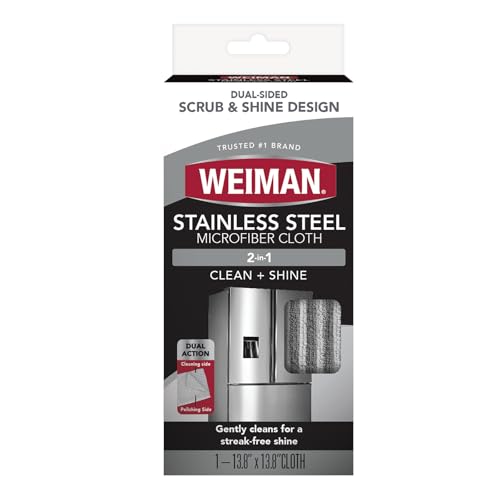
- microfiber polishing cloth stainless steel sink
- lemon juice vinegar stainless steel sink cleaner spray


Before You Start
Clear the sink and surrounding counter space. Remove dishes and disposable items. Ventilate the area if using chemical cleaners. Test cleaners on a small, inconspicuous spot to ensure no discoloration. Time estimates vary: light cleaning 10–15 minutes; heavy mineral buildup 25–45 minutes. Do not mix cleaners (especially bleach with acidic cleaners) and avoid abrasive steel wool that could scratch the surface.
For safety, wear gloves if you have sensitive skin and ensure children and pets are away from the cleaning area during treatment.
Step-By-Step: How To Clean Stainless Steel Sink Hard Water Stains
- Dry the sink completely with a microfiber cloth to identify all water spots and mineral rings.
- Apply a nonabrasive stainless steel cleaner or Bar Keepers Friend cleanser to a damp sponge or the nonabrasive pad. Follow label directions for amount and contact time.
- Gently scrub in the direction of the grain of the stainless steel to avoid micro-scratches. Focus on areas with hard water buildup and around the drain.
- Rinse thoroughly with warm water, then inspect for remaining stains. If spots persist, move to a citric-acid based remover or a lemon juice mixture.
- For citric acid cleaners, apply directly to the stained area and let sit for 1–3 minutes. Lightly scrub again, then rinse completely.
- Rinse all cleaner residues and dry the surface with a clean microfiber cloth to prevent new water spots.
- Optional extra shine: buff with a microfiber polishing cloth in a circular motion, following the grain.
- For routine maintenance, spray lemon juice vinegar stainless steel cleaner on the surface and wipe down, then rinse and dry for daily protection.
- Address faucets and seams by applying the cleaner or vinegar solution and wiping with a microfiber cloth, ensuring all crevices are dried.
- If mineral rings return, switch to a lemon juice or citric acid solution periodically to prevent buildup without harsh scrubbing.
- Finish with a final wipe and a light oiling (optional) using a clean microfibre cloth to repel water spots between cleanings.
Troubleshooting
| Symptom | Likely Cause | Fix | Prevention |
|---|---|---|---|
| Streaks after cleaning | Residual cleaner or mineral residues | Rinse thoroughly and dry with microfiber cloth | Rinse immediately after use; wipe dry |
| Persistent brown/yellow staining | Hard water mineral buildup | Apply citric acid cleaner; brush gently; rinse | Regular cleaning to prevent mineral buildup |
| Scratches when scrubbing | Using abrasive pads or scrubbing contrary to grain | Switch to nonabrasive pad; scrub with grain | Avoid steel wool; use soft cloths |
| Dull finish after cleaner | Overuse of harsh chemicals | Switch to milder cleaners and buff with microfiber | Use the right cleaner for your sink |
Common Mistakes
- Using abrasive pads on a polished stainless finish
- Mashing cleaners into seams where water can collect
- Rushing rinse and leaving residue that causes new spots
- Mixing cleaners or using straight bleach on stainless steel
Keeping a routine of gentle cleaning and quick drying helps maintain shine and extends the life of the sink surface.
Tips For Best Results
- Apply cleaners in a small, manageable area at a time to control contact time.
- Work with the grain to minimize micro-scratches and ensure uniform shine.
- Use a dedicated microfiber cloth for polishing to prevent lint and streaks.
- Keep a spray bottle of a mild cleaner for daily touch-ups to prevent heavy buildup.
- Consider a mineral-spot preventive routine: wipe with a microfiber cloth after each use and dry completely.
Call A Professional
Contact a professional if: mineral deposits cover large areas or the sink shows pitting, excessive corrosion, or persistent staining after multiple cleanings. Seek a plumber or surface restoration specialist if drainage or sealing around the sink is compromised, or if you notice gas or chemical odors from cleaners.
FAQ
Can I use bleach on a stainless steel sink?
Bleach can damage the finish and should generally be avoided on stainless steel unless specified by the cleaner’s instructions. Choose milder, stainless-friendly cleaners instead.
What’s the best method for hard water stains on stainless steel?
A citric acid-based cleaner or lemon juice with a nonabrasive pad typically works well, followed by a microfiber buffing.
Should I rinse immediately after cleaning?
Yes. Thorough rinsing removes cleaner residues that can attract more deposits and cause streaks.
How often should I clean a stainless steel sink to prevent buildup?
Wipe down and dry daily; perform a deeper clean weekly or biweekly depending on water hardness and usage.
Is it okay to use vinegar on stainless steel?
Vinegar is generally safe for light cleaning, but avoid prolonged exposure on polished finishes and always rinse and dry afterward.
Which tools protect the finish during cleaning?
Use nonabrasive scrub pads, microfiber cloths, and a gentle cleaner designed for stainless steel to protect the surface.
Buying Guide
When choosing cleaning products for a stainless steel sink and hard water stain removal, consider size, formulation, and surface compatibility. Look for products labeled safe for stainless steel and nonabrasive. Noise level is irrelevant here, but accessibility and ease of use matter for busy kitchens. Pay attention to energy usage only when considering spray bottle mechanisms with batteries or heat settings in heated cleaning devices. For placement, ensure cleaners come with instructions suitable for under-sink storage and do not corrode nearby hardware. Compare products by contact time, required agitation, and rinse compatibility to minimize residue and protect the finish. Would you prefer a maintenance routine with a daily spray and quick buff or a deeper weekly soak for stubborn mineral spots? A balanced approach often yields the best long-term results.