Super glue on the skin can happen during repairs, crafts, or quick fixes. While it is typically not dangerous, it can be stubborn to remove and may irritate sensitive skin if forced off. This guide explains practical, safe methods and the best products to use in American homes to remove dried cyanoacrylate adhesive from fingers without causing damage.
Quick Answer
Gently soak the affected area in acetone-free solutions first, then use an adhesive remover designed for skin if needed. Avoid prying at the glue; friction or hot water can worsen skin irritation. If glue remains stubborn, try a second method or consult a professional.
What You’ll Need
- Acetone-based nail polish remover for skin
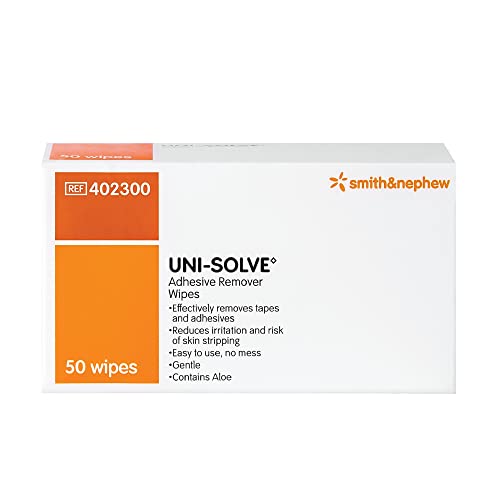
- Super glue remover wipes
- Nitrile disposable gloves powder-free
- Isopropyl alcohol 70% spray bottle
- Adhesive remover solvent for skin


Before You Start
Begin by washing hands with warm soapy water to soften any glue. Pat dry and work in a well-lit area. Test any solvent on a small, inconspicuous skin patch to ensure there is no reaction. Avoid using sharp instruments to lift glue, which can cut or tear skin. If glue is near the cuticle or in a sensitive area, proceed with more caution. Plan for 10–20 minutes of treatment, with breaks if skin begins to tingle or redden.
Step-By-Step: How To Remove Super Glue From Fingers
- Soften with warm soapy water: Soak fingers in warm, soapy water for 5–7 minutes, then gently pat dry.
- Apply acetone-based remover: Use a cotton ball or soft cloth to apply a thin layer of acetone-based nail polish remover for skin. Let it sit for 2–3 minutes to soften the glue.
- Gently roll or peel: If the glue loosens, slowly roll it away from the skin rather than pulling. Do not force torn skin.
- Use adhesive remover on skin: If residue remains, apply a small amount of adhesive remover solvent for skin. Wipe away with a clean cloth and repeat as needed.
- Rinse and repeat: Rinse with warm water, reapply remover if necessary, and gently massage the area to help release the bond.
- Clean hands thoroughly: After removal, wash hands again with soap. Dry completely to prevent moisture buildup that can irritate the skin.
- Moisturize: Apply a fragrance-free hand cream to restore moisture after solvent exposure.
- Assess skin health: If irritation, redness, or itching persists beyond a short period, discontinue use and seek medical advice if needed.
- Alternative if glue remains: If glue adheres strongly and refuses to come off, skip aggressive methods and consider professional assistance, especially near joints or nails.
- Dispose of materials safely: Seal used wipes and applicators and discard according to local guidelines.
Troubleshooting
| Symptom | Likely Cause | Fix | Prevention |
|---|---|---|---|
| Stubborn residue after first attempt | Glue dried deeply into skin | Reapply adhesive remover solvent for skin and soak again | Work in gentle, measured passes; avoid forcing the bond |
| Skin irritation or burning | Overuse of solvent or sensitive skin | Rinse with water, stop solvent use, apply fragrance-free moisturizer | Limit exposure time and test product first |
| Redness spreading | Allergic reaction to remover | Wash area, discontinue product, seek medical advice | Patch test before use |
| Glue reappears after washing | Some solvent residues remain | Repeat gentle removal steps and rinse thoroughly | Follow product directions precisely |
Common Mistakes
- Trying to peel or pick glue off, which can tear skin
- Using hot water or aggressive scrubbing, which can cause irritation
- Using nails or sharp objects to scrape glue
- Ignoring skin reactions and continuing solvent use
Tips For Best Results
- Choose products designed for skin contact; avoid household cleaners not meant for skin.
- Test a small skin area before full application to check for sensitivity.
- Keep fingernails trimmed to reduce trapping adhesive under edges.
- Work in a well-ventilated area if using solvent-based products.
- Follow up with a fragrance-free moisturizer to restore skin moisture.
Call A Professional
Consult a healthcare professional if symptoms persist beyond a short treatment period, if the glue covers a large area, or if glue adheres to sensitive areas such as the eyes, mouth, or mucous membranes. Seek immediate care if there is severe pain, swelling, or signs of an allergic reaction.
FAQ
Can I use regular nail polish remover on skin?
Isopropyl alcohol-based or acetone-based removers formulated for skin are safest; regular nail polish remover may be too harsh for extended skin contact.
Is it safe to use acetone on skin?
Acetone can be effective but may dry or irritate skin; use sparingly and follow with moisturizer.
What if glue is stuck under a fingernail?
Soak and peel carefully, avoiding damage to the nail bed; seek professional help if it’s difficult.
Are there natural alternatives?
Warm soapy water and gentle oil massage can help loosen some glues, but commercial skin-safe removers are generally more reliable.
Buying Guide
When choosing products to remove super glue from fingers, consider several factors to balance effectiveness with skin safety. Size and form factor matter for ease of use; smaller bottles are convenient for on-the-go fixes, while wipes offer portability. Noise level is irrelevant for at-home use, but the ease of application and control of liquid versus wipe formats can influence results.
Key buying factors include:
- Size and packaging: Choose a kit or bottle that fits how often you expect to need it.
- Skin safety: Look for products labeled for skin use or with dermatologist-tested claims.
- Active ingredients: Acetone-based removers are stronger; use gentler options like isopropyl alcohol or skin-safe solvents for sensitive skin.
- Application method: Wipes provide convenience; liquids allow targeted application and reusability.
- Ingredients transparency: Clear ingredient lists help avoid allergens and irritants.
- Storage and shelf life: Keep out of reach of children and in a cool, dry place.
Would you prefer a compact kit for quick fixes or a larger supply for occasional home projects? Consider your typical use scenario, skin sensitivity, and storage space. A balanced approach—one or two skin-safe options plus wipes for portability—often delivers the best results. Always follow the product directions and use prudence if you have a history of skin reactions.