Keeping shelves clean helps extend their life and keeps homes looking tidy. This guide presents a practical, step-by-step method for American households to dust, wipe, and refresh shelves using common tools and safe cleaners. The approach works for wood, laminates, and painted surfaces, and it includes quick tips to avoid water damage and streaks.
Whether you’re tidying a living room bookshelf, kitchen cabinets, or pantry racks, a systematic plan saves time and reduces dust buildup. The steps below emphasize gentle brushes, microfiber cloths, and adjustable spray control to protect finishes while achieving a thorough clean.
Quick Answer
Dust first, then wipe to trap particles rather than pushing them around. Use a microfiber dusting cloths set for shelves for initial removal, followed by a spray bottle with adjustable nozzle for cleaning shelves to apply a light, even wipe. Finish with a dry microfiber cloth to remove any remaining moisture and buff the surface.
What You’ll Need
- Extendable dusting wand microfiber head for shelves
- Microfiber dusting cloths set for shelves
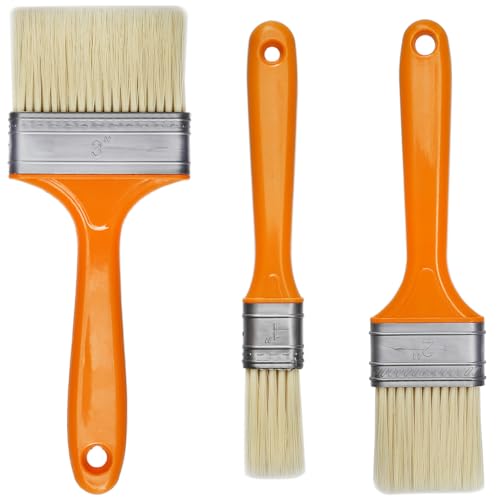
- Angled dusting brush for bookshelf and cabinet
- Soft-bristle cleaning brush for wood shelves
- Spray bottle with adjustable nozzle for cleaning shelves


Before You Start
Before proceeding, remove items from the shelves to prevent accidental spills and to access surfaces fully. Test a small, inconspicuous area of each shelf with the cleaning spray to check for color transfer or finish damage. Use gentle pressure and avoid saturating wood or particleboard. Allow surfaces to dry completely before returning items. Time estimate: 15–30 minutes for a typical bookshelf, longer for larger cabinets or multiple shelves.
Step-By-Step: How To Clean Shelves
- Position the extendable dusting wand with the microfiber head to reach high shelves without moving furniture.
- Dust the entire surface, moving from the top down to collect loose dust and prevent redistribution.
- Switch to the angled dusting brush to reach corners, molding, and inside shelf edges where dust accumulates.
- Attach the spray bottle and mist a light, even layer of cleaning solution onto a microfiber cloth—not directly on the shelf—to avoid over-wetting.
- Wipe along the grain or in circular motions for wood shelves, applying minimal pressure to preserve the finish.
- For stubborn marks, use the soft-bristle cleaning brush with a small amount of cleaner and gentle, circular scrubbing.
- Follow with a dry microfiber cloth to remove any remaining moisture and to prevent streaks.
- Return items in an organized manner, grouping similar objects and placing heavier items on lower shelves for stability.
- If shelves are particularly dusty, repeat the wipe-down process with a fresh microfiber cloth to ensure a clean, dust-free surface.
- Inspect all shelves for residue and re-wipe any spot that looks dull or smeared.
- Store cleaning tools in a ready-to-use kit for the next dusting session, so shelves stay clean with minimal effort.
Troubleshooting
| Symptom | Likely Cause | Fix | Prevention |
|---|---|---|---|
| Streaks after cleaning | Moisture residue or dirty cloth | Switch to a clean, dry microfiber cloth and lightly buff | Wring cloth well and use minimal cleaner |
| Greasy or sticky finish | Using too much cleaner | Use a smaller amount and wipe with a dry cloth | Test cleaner on a hidden area first |
| Color transfer on wood | Cleaner incompatible with finish | Switch to a compatible cleaner or just water on microfiber | Read surface care guidelines before cleaning |
| Dust returns quickly | Dusting materials shed fibers or air quality is high | Replace microfiber cloths regularly | Dust during low-humidity periods; consider an air purifier |
Common Mistakes
- Using harsh chemicals on delicate finishes
- Oversaturating wood shelves with liquid cleaners
- Forgetting to dry surfaces completely after cleaning
- Neglecting edges and corners where dust hides
- Decorating shelves while still damp, which can cause warping
Tips For Best Results
- Choose microfiber dusting cloths set for shelves because microfiber traps dust more effectively than cotton.
- Keep an extendable dusting wand microfiber head for shelves handy to reach high spots without a ladder.
- Use angled dusting brush for bookshelf and cabinet to access tight corners and inside frames.
- Avoid heavy sprays; a light mist on a cloth reduces risk of finish damage.
- Schedule regular quick cleans to prevent dust buildup from becoming stubborn.
Call A Professional
Consider contacting a professional if shelves show signs of water damage, deep scratches in wood finishes, or the backing material is swelling. Seek expert help also for electrical or wall-mounted shelving that requires safe removal and reinstallation. If you notice persistent warping, mold growth, or structural instability, stop cleaning and consult a pro.
FAQ
What is the best way to clean wood shelves without damaging the finish?
Use a light spray on a microfiber cloth and wipe with the grain, followed by a dry cloth to remove moisture.
How often should shelves be cleaned?
Dust shelves weekly and perform a deeper wipe-down every one to two months, depending on household activity.
Can I use water alone to clean shelves?
Yes, a damp microfiber cloth can work, but dry it promptly and avoid soaking the surface.
Is it safe to use hydrogen peroxide or ammonia-based cleaners on wood?
These can cause damage on certain finishes; test on a hidden area or opt for a mild, pH-balanced cleaner.
Buying Guide
Choosing the right cleaning tools for shelves involves balancing effectiveness with surface safety. Consider size and reach for high or wide shelves, noise level if you prefer silent cleaning, energy efficiency of any powered tools, and convenient controls for spray bottles. Placement matters too: lightweight, hand-held tools work well for living rooms and bedrooms, while extendable wands are ideal for tall bookcases in hallways or offices. When comparing options, look for kit completeness, such as microfiber cloths and brushes that pair with a spray bottle, ensuring a cohesive system that makes shelf cleaning quick and thorough.
Key buying factors include:
- Size and reach: Choose tools that fit your shelf heights without overreaching or using unstable ladders.
- Noise level: Quiet brushes and wobble-free wands reduce disruption in living spaces.
- Material compatibility: Ensure brushes and cloths are safe for wood, laminates, and painted surfaces.
- Cleaning efficiency: A microfiber system often yields better dust capture and less streaking.
- Controls and ease of use: Adjustable spray nozzles and lightweight designs speed up cleaning.
- Storage and organization: A compact, all-in-one kit keeps tools handy for regular maintenance.
Would you like recommendations tailored to your shelf type—wood, laminate, or glass? A quick note on how you plan to use the space can help pick the right combination of tools and cloth sizes to keep shelves pristine with minimal effort.