Brake dust can quickly dull wheel finishes and house contaminants if not cleaned regularly. This guide provides practical, step-by-step methods for removing brake dust from various wheel types using common detailing products and tools. The focus is on safe techniques that protect wheel finishes and your vehicle’s surfaces.
Readers will learn how to choose the right cleaners, brushes, and towels, plus practical tips to avoid scratching and staining. The steps are designed for American drivers seeking reliable, long-lasting wheel cleanliness with readily available products.
Quick Answer
Best quick method: Start with a dedicated wheel cleaner spray, apply to cool wheels, agitate with a soft bristle brush, and rinse thoroughly with a strong stream of water. For stubborn buildup, repeat the spray and agitation, then dry with microfiber towels. Regular maintenance reduces buildup and protects wheel finishes.
What You’ll Need
- Brake Dust Cleaner Spray Aerosol
- Wheel Cleaner Spray For Brake Dust Removal
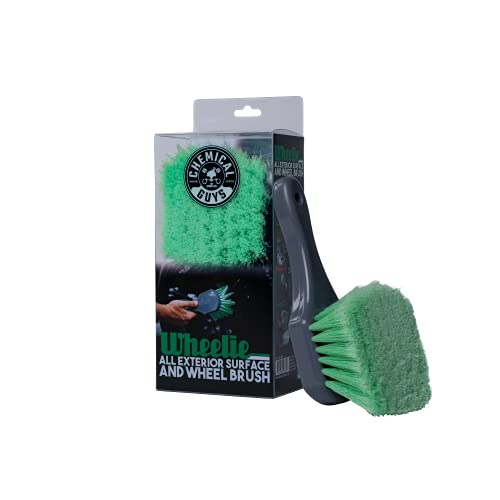
- Soft Bristle Wheel Cleaning Brush Kit
- Microfiber Detailing Towels For Wheels
- Car Wheel Cleaning Brush Set Nylon Bristles


Before You Start
Inspect wheels for damage such as cracks or peeling coatings before cleaning. Use cool wheels to prevent warping or damage to finishes. Work in a shaded area to avoid rapid drying of cleaners, which can leave streaks. Wear gloves to protect skin from cleaners and abrasion. Time estimate: 15–30 minutes for a standard set of wheels.
Critical cautions: Do not use abrasive brushes on delicate wheel finishes; test a small area first; avoid cleaners that are incompatible with clear coats or powder coatings; never mix cleaners with harsh chemicals not intended for automotive use.
Step-By-Step: How To Remove Brake Dust From Wheels
- Cool the wheels completely before cleaning to prevent thermal shock and finish damage.
- Rinse the wheel surface with water to remove loose debris and reduce the amount of cleaner required.
- Apply a Wheel Cleaner Spray For Brake Dust Removal or a dedicated Brake Dust Cleaner Spray Aerosol evenly over the wheel surface, focusing on lug areas and spokes.
- Let the cleaner sit for the time specified by the product label, typically 30–60 seconds for initial action.
- Use a Soft Bristle Wheel Cleaning Brush Kit or Car Wheel Cleaning Brush Set Nylon Bristles to agitate the brake dust, working from the outer rim inward and behind spokes.
- Rinse thoroughly with a strong stream of water, ensuring all cleaner and dislodged dust wash away.
- Inspect the wheel for remaining spots; repeat treatment on stubborn areas if necessary.
- Dry the wheels with Microfiber Detailing Towels For Wheels to prevent water spots and corrosion risk.
- If needed, repeat the process on the other wheels, then apply a light protective wipe or sealant as a post-cleaning measure.
- Store tools and cleaners properly after use to maintain kit longevity and readiness for the next cleaning cycle.
- Dispose of any single-use aerosols per local regulations and recycle towels when possible.
- Perform routine cleaning after a few driving cycles to keep wheels looking new longer.
Troubleshooting
| Symptom | Likely Cause | Fix | Prevention |
|---|---|---|---|
| Streaks or water spots after drying | Improper drying or hard water | Dry with clean microfiber towels; use distilled water if possible | Dry wheels soon after rinsing |
| Cleaner not lifting tough grime | Residue buildup or incorrect cleaner type | Switch to a more active wheel cleaner and re-apply | Clean wheels regularly to prevent heavy buildup |
| Scratches on finish after brushing | Brushing with hard bristles | Switch to a soft-bristle kit and gentler motions | Use appropriate brushes for wheel type |
| Cleaner foams and dries unevenly | Dirty or inconsistent spray pattern | Clean nozzle or apply evenly in sections | Shake and prime the spray bottle per instructions |
Common Mistakes
- Using abrasive brushes or pads on painted or powder-coated wheels
- Letting cleaner sit too long or using it on hot wheels
- Neglecting to rinse thoroughly, leaving residues that attract more dust
- Drying with towels that have grit or debris on them
Tips For Best Results
- Clean wheels when they are cool to the touch to avoid finish damage and driver discomfort from hot rims.
- Work in sections to ensure cleaners stay effective and prevent dry spots.
- Use separate towels for wheels and body panels to prevent cross-contamination.
- Regular maintenance reduces heavy brake dust buildup and simplifies future cleanings.
- Consider applying a wheel sealant to ease cleaning after future drives.
Call A Professional
Consult a professional if wheels show deep corrosion, chipping, or if finishes are peeling. Seek help if you notice residue that does not rinse away with standard cleaners, or if wheels have intricate designs that make thorough cleaning difficult. Do not attempt repairs beyond cleaning, such as refinishing or structural work, without qualified assistance.
FAQ
What’s the best cleaner for brake dust on aluminum wheels?
Choose a dedicated wheel cleaner spray designed for brake dust; many formulas are safe on aluminum finishes when used as directed.
Can I use regular household cleaners on wheels?
Avoid common household cleaners that may be too harsh or acidic; use products labeled for automotive wheels to protect finishes.
How often should I clean brake dust from wheels?
Clean wheels every 1–2 weeks in warm seasons, or after heavy driving in wet or dusty conditions.
Are brushes necessary, or can I just rinse?
Brushing with soft bristles improves dust removal and reduces scrubbing time while protecting surfaces.
Is it safe to spray cleaners on tires and brakes?
Spray cleaners on wheels as directed, avoiding overspray onto exposed brake components or rubber parts not designed for cleaners.
Can I reuse towels after wheel cleaning?
Yes, but wash towels separately from other fabrics to prevent contamination and maintain their absorbency.
Buying Guide
When selecting wheel cleaning products and accessories, consider several key factors to optimize results and ease of use:
- Size and coverage: Choose cleaners and brushes that fit the wheel size and account for wheel spoke complexity. A kit that includes multiple brush sizes and a spray cleaner offers versatile coverage.
- Cleaner type: Look for pH-balanced, non-acidic formulas for most wheels; note if your wheels are painted, polished, or powder-coated to avoid damage.
- Brush material: Soft nylon bristles protect delicate finishes, while stiffer nylon may be suitable for heavy grime; avoid metal bristles on wheels.
- <bTowel quality: High-absorbency microfiber towels reduce streaks and are gentle on finishes; consider color-coded towels to prevent cross-use with other cleaning tasks.
- Safety features: Aerosol cleaners should have clear safety instructions; ensure proper ventilation and protective gear during use.
- Ease of use: Look for products that are easy to apply, require minimal dwell time, and rinse cleanly without leaving residue.
- Maintenance and storage: Select products that store well with sealed containers and kits that keep brushes organized for quick future use.
- Placement and usage frequency: If cleaning space is limited, choose multi-piece sets that are compact and allow for efficient workflow.