Maintaining a clean 5 gallon fish tank is essential for the health of its inhabitants and the clarity of the water. This guide provides practical steps, safe practices, and tool recommendations to keep a small aquarium thriving with minimal hassle.
With the right approach, routine cleanings become quick, predictable chores that prevent common issues like cloudy water, algae buildup, and detritus accumulation.
Quick Answer
Use a gravity fed siphon cleaner for fast water changes, paired with a mini aquarium gravel cleaner for debris. Magnetic aquarium algae scrapers help maintain glass cleanliness between water changes. Schedule regular partial water changes and monitor water parameters to keep a healthy 5 gallon ecosystem.
What You’ll Need
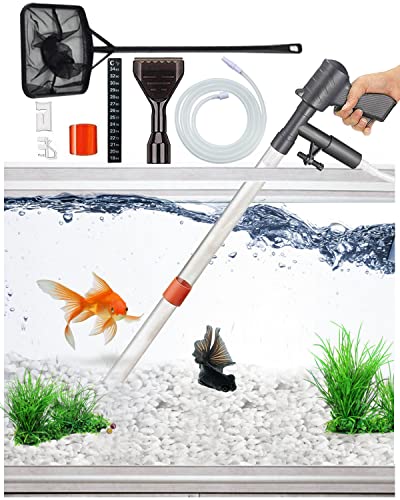
- 5 gallon aquarium gravel vacuum siphon
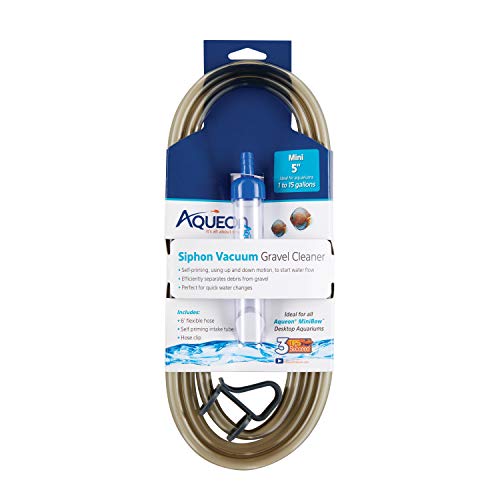
- Mini aquarium gravel cleaner for 5 gallon
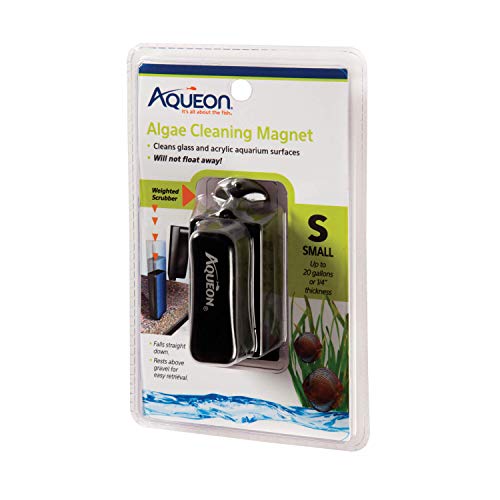
- Magnetic aquarium algae scraper for 5 gallon tank
- Gravity fed siphon cleaner for 5 gallon fish tank
- 5 gallon fish tank water change siphon kit
- Water conditioner appropriate for freshwater fish
- Clean bucket designated for aquarium use
- Glass sponge or soft cloth for delicate surfaces
- Thermometer and test kit for water parameters
- Optional: extra filter media and replacement parts
Before You Start
Prepare the area and equipment before beginning. Place the tank on a stable surface away from direct sunlight and drafts. Fill the clean bucket with fresh water and treat it with a water conditioner according to label directions. Turn off and unplug electrical equipment such as heaters and filters before cleaning. Have all tools within reach to minimize water disturbance. Plan for a typical cleaning window of 15–40 minutes depending on tank setup and water clarity.
Step-By-Step: How To Clean A 5 Gallon Fish Tank
- Power down all devices and remove any visible debris from the surface with the magnetic algae scraper for 5 gallon tank.
- Place the gravity fed siphon cleaner at the water surface and start the siphon, ensuring a steady flow into the cleaning bucket.
- Gently insert the 5 gallon aquarium gravel vacuum siphon into the substrate to pull loose debris from the gravel. Move in a side-to-side motion for consistent cleaning.
- Monitor the water level as debris is removed. Stop the siphon when you’ve removed enough water to reach your target partial change (typically 25–50%).
- Fill the cleaned water reservoir with treated water matching the tank’s temperature. Slowly reintroduce water to avoid stressing fish.
- Use the mini aquarium gravel cleaner for 5 gallon to remove any stubborn particles stuck in the substrate or along tank corners.
- Wipe the exterior glass with a damp cloth or sponge. Use the magnetic scraper for any remaining algae on the inner glass surface.
- Check and adjust heater and filter settings if necessary, then reconnect power and resume normal operation.
- Test water parameters (ammonia, nitrite, nitrate, pH) and observe fish behavior over the next 24–48 hours for signs of stress.
- Schedule the next cleaning by observing a routine pattern (e.g., weekly partial changes) and maintain consistent water quality.
- Store tools clean and dry after use to prevent rust or mold growth in the cabinet or storage area.
- Document changes in a simple log to track trends in water quality and fish health.
Troubleshooting
| Symptom | Likely Cause | Fix | Prevention |
|---|---|---|---|
| Cloudy water after cleaning | Overwhelming debris or sudden ammonia spike | Partial water change and test; remove excess waste | Schedule regular, moderate changes |
| Unusual fish behavior | Temperature fluctuation or low oxygen | Check heater accuracy; ensure filter is functioning | Maintain stable temperature and adequate surface agitation |
| Algae reappears quickly | Excess nutrients or light exposure | Reduce light duration; adjust feeding; clean glass | Limit light to 6–8 hours/day; avoid overfeeding |
| Debris in gravel reaccumulates | Infrequent siphoning | Increase frequency or extend siphon time | Establish a weekly cleaning cadence |
Common Mistakes
- Using tap water without proper dechlorinator — always treat water before adding it to the tank.
- Over-cleaning the tank substrate — removing beneficial bacteria can stress fish.
- Discarding large amounts of water in one session — stick to partial changes to preserve beneficial balance.
- Neglecting equipment checks — regularly inspect filters, heaters, and tubing for wear.
- Ignoring temperature differences between new and tank water — always match temperatures.
Tips For Best Results
- Use a gravity fed siphon cleaner for 5 gallon to minimize spillage and speed up water changes.
- Pre-warm replacement water to match tank temperature before adding it back.
- Vacuum gravel in a systematic pattern to ensure even cleaning and avoid missed spots.
- Run the filter during normal operation unless you’re performing a major water change that may stir debris excessively.
- Keep a small routine — even 10–15 minutes weekly can prevent bigger problems later.
Call A Professional
Consider professional help if the tank shows persistent issues such as chronic cloudy water, ongoing fish illness, or persistent algae blooms despite proper maintenance. Seek guidance when water tests reveal ammonia or nitrite spikes, or if you’re relocating or restocking and need running advice for a healthy setup.
FAQ
How often should I clean a 5 gallon fish tank?
Perform a partial water change weekly or every two weeks, depending on bioload and test results.
Can I use a standard siphon for a 5 gallon tank?
Yes, but a gravity fed siphon cleaner designed for small tanks makes the process cleaner and faster.
Is it okay to remove the gravel entirely during cleaning?
Not usually; intermittent gravel cleaning is fine, but complete removal can disrupt beneficial bacteria.
What should I do if the water tests show high ammonia?
Immediately perform a partial water change, check feeding levels, review filtration, and consult fish care guidelines if needed.
What lighting adjustments help control algae?
Limit light exposure and keep a consistent day-night cycle to reduce algae growth.
Is a larger kit necessary for a 5 gallon tank?
Only if you maintain multiple tanks or have specialized equipment needs; for most setups, the listed tools are sufficient.
What should I do if fish show stress after cleaning?
Return water slowly, maintain stable temperature, and monitor for signs of distress over 24–48 hours.
Buying Guide
Choosing tools for a 5 gallon tank involves balancing efficiency, safety, and space. Consider the following factors to optimize cleaning routines:
- Size and compatibility: Ensure tools are designed for small tanks to avoid over-suction or damage to substrate.
- Water change workflow: Gravity fed siphon cleaners simplify water changes and reduce mess; assess ease of use and setup.
- Algae control: Magnetic alga scrapers provide quick glass maintenance without wet hands; select a model with a soft pad to prevent scratches.
- Materials and durability: Look for corrosion-resistant materials for long-term use in humid environments.
- Noise and energy: Low-noise pumps and energy-efficient components help maintain a peaceful home aquarium setup.
- Storage and organization: Compact tool kits that fit in a small cabinet help sustain a tidy cleaning routine.
- Replacement parts: Availability of replacement filters, tubing, and brushes ensures minimal downtime.
When comparing options, think about your routine: weekly maintenance vs. biweekly, the depth of gravel cleaning you prefer, and whether you want integrated solutions (kit + siphon) or modular tools. By aligning gear with your tank size and maintenance goals, you can keep a 5 gallon aquarium pristine with minimal effort.