Gunk buildup in washing machines can lead to odors, poor cleaning performance, and long-term wear. This guide provides practical steps and product options to safely remove mold, soap scum, and mineral deposits from both front-load and top-load models. Following a regular cleaning routine helps extend the life of the appliance and keeps laundry smelling fresh
Quick Answer
Begin with a thorough drum cleaning using hot water and a washing machine-safe cleaner or a natural solution. Target the door seal, detergent dispenser, and filter areas with the appropriate brush tools. Finish with a rinse cycle and a quick dry of seals to prevent future mold growth.
What You’ll Need
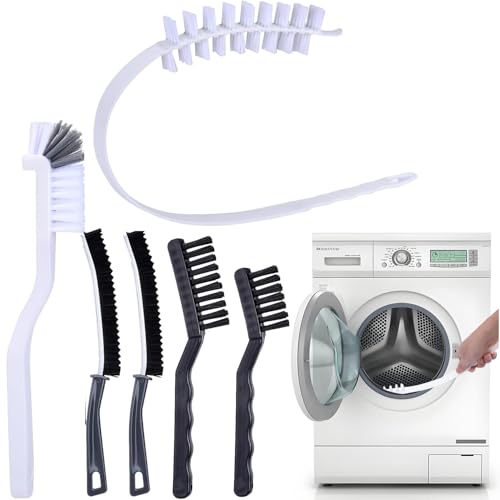
- Washing machine gasket cleaning brush long handle
- Front-load washer tub cleaning brush kit
- Washing machine drum cleaning wand flexible scrubber
- Washer tub cleaning scrub brush set
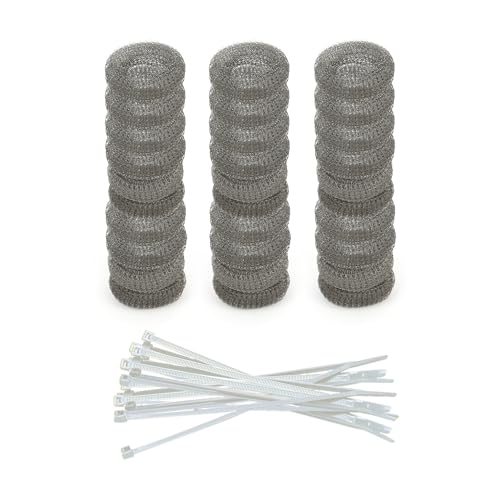
- Washing machine filter and drain screen cleaning tool

Before You Start
Before beginning, unplug the machine or switch off the breaker to ensure safety. Remove any items from the drum and wipe away loose debris. Use hot water setting if available to maximize cleaning power, and run at least two cycles: a cleaning cycle with a cleaner and a rinse cycle. Protect surfaces and fabrics by placing towels nearby to catch splashes and avoid harsh chemical contact with skin. Plan for a 1–2 hour window, including dry time for seals and hoses.
Step-By-Step: How To Clean Gunk Out Of A Washing Machine
- Run a hot water wash with a dedicated washing machine cleaner or a natural alternative like white vinegar and baking soda. This loosens soap scum and mold from the drum and hoses.
- Inspect the door seal or gasket for mold, grime, or residue. Use the gasket cleaning brush long handle to reach the folds and pull back any loose material.
- Remove and clean the detergent dispenser. Dismantle removable parts if possible and scrub with the front-load washer tub cleaning brush kit or washer tub cleaning scrub brush set to remove built-up soap scum.
- Wipe the interior of the drum with a microfiber cloth. For stubborn deposits, use the washing machine drum cleaning wand flexible scrubber to target hard-to-reach areas.
- Clean the filter and drain screen using the washing machine filter and drain screen cleaning tool. This prevents clogs and improves drainage after future washes.
- Run a second rinse cycle with just water to remove any residue from cleaners. Stop mid-cycle if you notice excessive suds and restart with a shorter rinse.
- Dry the gasket and door area with a clean towel to inhibit mold growth. Leave the door ajar after cleaning to improve air circulation and drying.
- Inspect hoses for signs of wear or leaks. If any issues are found, avoid running the machine until a professional checks the connections.
- Consider scheduling periodic maintenance every 3–6 months, depending on usage, water hardness, and detergent type.
- Keep a simple maintenance routine: run a monthly cleanup using a cleaner or a vinegar-baking soda method, and wipe the dispenser and gasket after heavy-use cycles.
- Record observations of odors, drainage, and cycle performance. Noting changes helps determine when to re-clean or call a professional.
- After completing all steps, run a final empty cycle with hot water to flush any remaining loosened particles from the drum and hoses.
Troubleshooting
| Symptom | Likely Cause | Fix | Prevention |
|---|---|---|---|
| Persistent odor after cleaning | Hidden mold in gasket or dispenser | Deep clean gasket and dispenser; run additional rinse | Keep door open after cycles; clean monthly |
| Soap residue on clothes | Detergent buildup or incorrect detergent amount | Use the correct amount; switch to a high-efficiency detergent if applicable | Run maintenance wash regularly |
| Drain stops mid-cycle | Clogged filter or drain screen | Clean filter with the dedicated tool; remove debris | Check drain screen monthly |
| Persistent leaks | Worn hoses or loose connections | Inspect and replace worn hoses; tighten connections | Inspect hoses yearly |
| Drum not spinning evenly | Residue in drum or bearing wear | Deep clean drum; check bearings if problem persists | Schedule professional check if unusual noises |
Common Mistakes
- Using harsh cleaners that can degrade rubber seals.
- Skipping the dispenser and gasket during cleaning.
- Overfilling with cleaner or vinegar leading to suds buildup.
- Ignoring odor or drainage changes, which indicate hidden mold or clogs.
Tips For Best Results
- Choose a cleaning cycle specifically designed for washing machines when available.
- Use hot water settings to maximize cleaning effectiveness but consider fabric-safe options if needed.
- Maintenance intervals vary by water hardness; harder water often requires more frequent cleaning.
- Store brush heads clean and dry to prevent mildew between uses.
Call A Professional
Consider a professional if there are persistent leaks, unusual noises, or if the drum does not spin properly after cleaning. Signs to stop attempting DIY fixes include loud grinding sounds, water pooling behind the appliance, or visible cracks in hoses or seals. A licensed technician can assess seals, bearings, and drainage systems and perform deep cleaning beyond standard home methods.
FAQ
How often should I clean my washing machine?
Most homes benefit from a monthly or bi-monthly cleaning routine, with a deeper clean every 1–3 months depending on usage and water hardness.
Can I clean my washing machine with vinegar?
Yes, vinegar can be effective in moderate amounts, but avoid using it with chlorine bleach or during the same cycle to prevent harmful gases.
What tools are best for cleaning a front-load washer gasket?
A long-handle gasket cleaning brush is ideal for reaching folds and removing mold and soap scum.
What should I do if odor returns after cleaning?
Revisit the gasket and dispenser, ensure proper drying after cycles, and consider running a maintenance wash with a mild cleaner or baking soda periodically.
Buying Guide
When selecting tools to clean a washing machine, consider these factors to match needs and home setup:
- Size and reach: Choose a long-handled brush or wand that reaches gaskets and dispensers without bending or straining.
- Material compatibility: Look for brushes with soft-bristle heads that won’t scratch stainless steel drums or rubber seals.
- Versatility: A multi-piece kit with a gasket brush, tub brush, and drain screen tool provides comprehensive cleaning coverage.
- Durability: Stainless steel or tough plastic handles withstand repeated use and moisture exposure.
- Storage footprint: Compact tools are easier to store in a laundry area where space may be limited.
- Compatibility with your machine: Front-load and top-load models may require different tool configurations; verify kit suitability for your washer type.
- Maintenance plan: Consider keeping a small, dedicated cleaning kit accessible to simplify regular use.
With the right tools, homeowners can maintain cleaner drums, reduce odors, and extend the life of their washing machines. Ready for a fresh, mildew-free laundry day? A well-rounded cleaning kit plus a simple routine can make a noticeable difference.