Door hinges accumulate dust, grime, and old lubricant over time, leading to squeaks and stiff movement. A clean hinge not only quiets doors but also extends hardware life. This guide shows practical, family-friendly methods to restore smooth operation using readily available tools.
Quick Answer
Remove the hinge pin, apply a degreaser, wipe clean with a microfiber cloth, reinsert the pin, and finish with a light silicone lubricant spray. For stubborn grime, use an angled hinge cleaning brush to reach tight spots and a hinge pin removal tool when necessary.
What You’ll Need
- Angled hinge cleaning brush
- Hinge pin removal tool
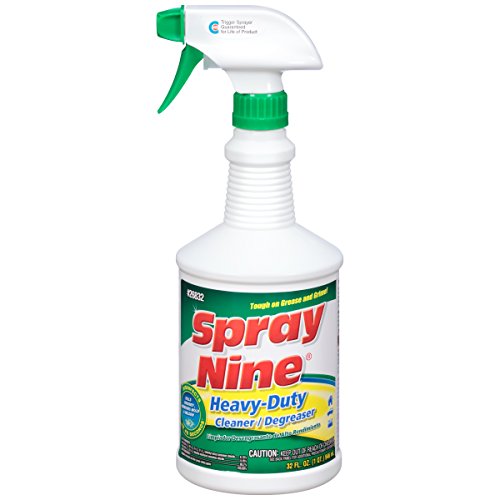
- Degreaser spray for metal hinges
- Microfiber cloth for hinge cleaning
- Silicone lubricant spray for door hinges


Before You Start
Choose a dry, well-ventilated area or work outdoors. Protect floors with a drop cloth and wear gloves to keep skin clean. Disconnect power tools if used nearby and ensure the door is supported to prevent falls. Time estimates vary: a basic hinge clean takes about 15–30 minutes per door, while more thorough maintenance may take up to an hour.
Step-By-Step: How To Clean Door Hinges
- Close the door and apply a small amount of degreaser spray to the hinge surfaces, focusing on the pivot areas.
- Let the degreaser sit for 1–2 minutes to break down old lubricant and grime.
- Use the angled hinge cleaning brush to scrub both the hinge barrel and pin area, removing stubborn residue.
- If the hinge pin is sticky, insert the hinge pin removal tool and lift the pin carefully. Set the pin aside for cleaning.
- Wipe the hinge components with a microfiber cloth to remove loosened grime and dry the surfaces thoroughly.
- Clean the pin separately with the cloth; wipe until shiny and dry before reinserting.
- Reinsert the hinge pin, ensuring it sits flush and allows the door to swing freely.
- Spray a light coat of silicone lubricant spray on the pin and moving parts, then run the door back and forth to distribute the lubricant.
Troubleshooting
| Symptom | Likely Cause | Fix | Prevention |
|---|---|---|---|
| Squeaking after cleaning | Dry lubricant or residual grime | Reapply a small amount of silicone lubricant and cycle door | Clean and lubricate every 6–12 months |
| Stiff hinge after reassembly | Pin not fully seated | Remove and reseat pin, ensure flush alignment | Check for warping or misalignment and correct |
| Rattling noise | Lose screws or loose hinge | Tighten screws; replace any bent components | Inspect during maintenance |
| Rust or corrosion | Moisture exposure | Clean and apply corrosion-inhibiting spray if needed | Keep area dry and re-lubricate periodically |
Common Mistakes
- Over-wetting hinges—causes rust or long drying times.
- Using heavy grease on pivot points—can attract more dust.
- Forgetting to wipe excess lubricant, which can drip onto floors or door surfaces.
- Not removing the hinge pin before cleaning, which limits access to grime.
Tips For Best Results
- Test a small hinge area first to confirm finish compatibility with the degreaser and lubricant.
- Clean and lubricate both hinges on a door for even movement.
- Schedule routine hinge maintenance to prevent squeaks and stiffness.
- Store cleaning tools within reach for quick touch-ups around door hardware.
Call A Professional
Consider a professional if hinges are severely bent, corroded, or the door frame is misaligned causing ongoing rubbing. Stop signs include hinges that wobble excessively, doors that won’t close properly, or persistent creaks after cleaning and lubrication.
FAQ
What is the best lubricant for door hinges?
Silicone lubricant spray is commonly recommended for smooth, lasting results without attracting dust.
Can I use household oil on hinges?
Light household oil can work, but silicone lubricants are usually better for metal hinges and longer-lasting performance.
Should I clean hinges with water?
Water should be avoided on metal hinges; use a degreaser and cloth to prevent corrosion.
How often should hinges be cleaned?
High-use doors may benefit from quarterly maintenance; low-traffic doors can be done twice a year.
Do hinge pins ever need replacement?
Yes, if pins are bent, corroded, or loose and cannot be restored with cleaning alone.
Buying Guide
When selecting hinge cleaning and maintenance tools, consider size, ease of use, and compatibility with metal hinges. A compact angled hinge cleaning brush helps access tight gaps, while a hinge pin removal tool simplifies pin extraction on stubborn pins. For cleaners, a degreaser spray for metal hinges should be effective yet safe for surrounding finishes. A microfiber cloth ensures lint-free cleaning, and a silicone lubricant spray provides lasting, low-friction protection. Pay attention to grip comfort on tools, and look for rust-resistant materials to extend tool life.
Buying Guide: Key Factors
- Size and reach: Choose tools that fit typical door hinge spans and allow access to both upper and lower hinges.
- Noise level: Quieter operation reduces disturbance in living spaces.
- Energy efficiency: While hinges don’t consume energy, smooth operation reduces door resistance and stabilizes indoor climate through reduced drafts.
- Controls and usability: Tools should be straightforward to use with minimal effort for homeowners of all skill levels.
- Placement and storage: Compact kits that store neatly in a toolbox or cabinet aid quick maintenance without clutter.
- Durability: Look for corrosion-resistant materials and proven long-term performance in wet or humid environments.