Keeping a suit looking sharp often means managing small stains quickly and discreetly. This guide walks through safe, effective spot cleaning methods tailored for dress fabrics commonly used in suits, with practical options and tools that many households already have.
With the right approach, gentle spotting can extend the life of a suit between full cleanings. The steps below emphasize fabric-safe techniques, test patches, and proper drying to prevent watermarks or fiber damage.
Quick Answer
For most suit fabrics, start with blotting, then use a dedicated stain remover pen for wool or a fabric stain spray for suits. Finish with a handheld garment steamer for a quick refresh and a soft-bristle brush for lifting fibers. Avoid rubbing vigorously and always test on an inconspicuous area first. If the stain persists or the fabric is delicate, consider professional cleaning.
What You’ll Need
- Stain remover pen for wool suits
- Fabric stain spray for suits
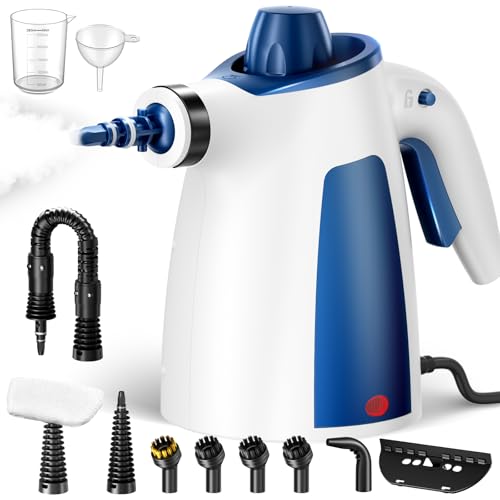
- Handheld garment steamer for spot cleaning
- Soft-bristle garment brush for suits
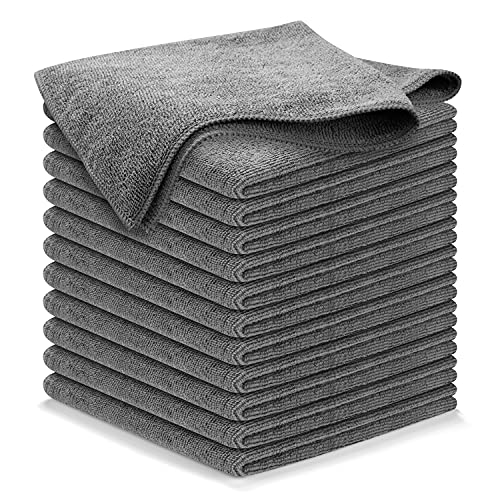
- Microfiber cloth for spot cleaning clothes

Before You Start
Begin with a clean, dry surface and ensure the suit is handled in a well-lit area. Perform a spot test on a hidden seam or inner lining using a small amount of product or water. Do not apply heat or solvents to silk or wool blends without a test patch. Avoid soaking the fabric; water damage can cause wrinkles or color bleeding. Allow time for any treated area to air-dry fully before wearing.
Step-By-Step: How To Spot Clean A Suit
- Identify the stain type (oil-based, water-based, or unknown) and choose the cleaners accordingly.
- Blot the stain with a clean microfiber cloth to remove excess liquid. Do not rub, which can embed the stain further.
- Apply a small amount of fabric stain spray for suits to the stained area, following the product directions. If the fabric is wool, consider a stain remover pen for wool suits for targeted treatment.
- Gently work the product into the fabric with a soft-bristle garment brush, using light strokes that lift fibers rather than press the stain deeper.
- Blot again with a clean cloth to lift loosened soil. Repeat briefly if needed, avoiding saturation.
- Hold a handheld garment steamer a few inches away and use short bursts to loosen fibers and help the cleaner dry evenly. Do not press the steamer directly into the fabric.
- Let the area air-dry completely, then brush lightly with the soft-bristle garment brush to restore nap and texture.
- Check the area under bright light. If any stain remains, repeat the treatment on a small test patch or consult professional cleaning for delicate fabrics.
- Store the suit properly after cleaning to prevent new stains; consider using a garment bag and avoiding crowded closets.
- For persistent stains or unfamiliar fabrics, seek professional cleaning guidance before attempting further treatments.
Troubleshooting
| Symptom | Likely Cause | Fix | Prevention |
|---|---|---|---|
| Stain reappears after drying | Underlying stain not fully removed | Repeat targeted treatment with fabric stain spray or pen; test patch first | Address stain promptly; avoid delays |
| Water rings or marks | Uneven drying or over-wetting | Use minimal moisture and finish with light steaming from distance | Spot clean with as little liquid as possible |
| Fabric fuzzing after brushing | Over-brushing or wrong brush type | Switch to a softer brush and brush gently in one direction | Brush only after stain treatment is complete |
| Color transfer to microfiber cloth | Color bleeding from dye; improper test | Stop treatment; re-test on hidden area; seek professional help | Always perform a patch test first |
Common Mistakes
- Using hot water or high heat on delicate fabrics
- Rubbing aggressively, which can spread stains or damage fibers
- Over-saturating the fabric with cleaners or water
- Skipping a patch test before full application
Tips For Best Results
- Test every product on an inconspicuous area before treating visible spots.
- Blot rather than rub, and work from the outside edge toward the center of the stain.
- Keep the steamer at a safe distance to prevent watermarks or scorching on delicate fabrics.
- Brush the fabric after drying to restore its natural nap and appearance.
- Store suits properly in breathable garment bags to reduce future stains and odors.
Call A Professional
Contact a professional cleaner if the stain is:
- Oil-based, unknown, or difficult-to-remove
- On silk, wool blends, or structured fabrics with delicate finishes
- Accompanied by discoloration, dye transfer, or fabric distortion
Professional cleaners have access to industry-grade solvents and techniques to protect fabric integrity and color.
FAQ
Can I spot clean a suit at home without risking damage?
Yes, with careful patch testing and gentle methods using appropriate products and tools.
What tools are essential for spot cleaning suits?
A stain remover pen for wool suits, fabric stain spray for suits, a handheld garment steamer, a soft-bristle garment brush, and a microfiber cloth are highly effective.
Should I steam before or after cleaning a stain?
Steam after applying cleaners to help fibers relax and dry evenly; avoid direct heat on sensitive fabrics.
What if the stain is older or unknown?
Older or unknown stains may require professional evaluation to avoid setting the stain or damaging the fabric.
Buying Guide
When choosing spot-cleaning tools for suits, consider size, material compatibility, and ease of use. For stain treatments, opt for products labeled safe for wool and wool blends, and ensure they come with clear usage instructions. A reliable handheld garment steamer should offer adjustable heat settings and a fabric-safety feature to prevent scorching. A soft-bristle brush helps lift fibers without leaving scratches, while a microfiber cloth provides gentle absorption and lift. Consider keeping a compact kit at home or in a briefcase for quick touch-ups between important events. Choosing compatible products that work together can simplify spot cleaning and keep suits looking crisp longer.