The metallic luster of nickel finishes can fade when exposed to air, moisture, and household cleaners. This guide explains simple, safe methods to restore shine without damaging delicate surfaces. It covers common nickel items from jewelry to hardware, with step-by-step instructions and practical safety tips.
Whether you’re touching up nickel hardware, a brushed nickel faucet, or nickel-plated décor, the following steps help remove tarnish while preserving finish integrity. Readers will find product recommendations aligned with the most common nickel cleaning tasks and easy maintenance habits to prevent future tarnish.
Quick Answer
For light tarnish, use a non-abrasive cleaner or a dedicated nickel cleaner paste, buff with a microfiber cloth, and wipe clean. For stubborn tarnish, start with a nickel tarnish remover kit and follow with a soft cloth polishing. Always test a hidden area first and avoid acidic or abrasive cleaners that can scratch nickel finishes.
What You’ll Need
The following tools and materials help remove tarnish from nickel surfaces while minimizing risk to the finish. The list draws on common nickel cleaning products to ensure compatibility with most finishes.
- nickel tarnish remover kit for metal surfaces
- nickel jewelry cleaning polish cream 4 oz with soft cloth
- microfiber polishing cloth nickel cleaning
- non-abrasive nickel cleaner paste 2 oz
- nickel plate cleaner spray safe for nickel finishes

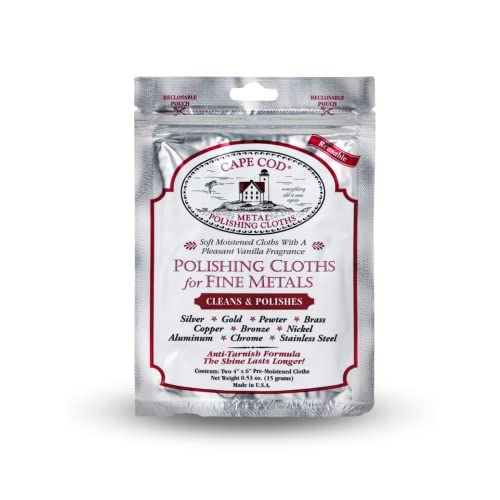

Before You Start
Prepare a clean, well-lit workspace. Read product labels for safety cautions and use gloves if recommended. Test any cleaner on a small, inconspicuous area before broad application to avoid damage. Work in a ventilated area and avoid prolonged exposure to cleaners with harsh chemicals. Time commitment varies by tarnish level, but most basic cleanups take 15–30 minutes.
Critical cautions: do not use abrasive pads or metal brushes, which can scratch nickel finishes; avoid chlorine and ammonia-based cleaners on most nickel surfaces; and never mix cleaners as chemical reactions can occur.
Step-By-Step: How To Clean Tarnished Nickel
- Identify the surface type (unlacquered hardware, nickel plating, or brushed nickel) to choose the correct cleaner.
- Test cleaner on a hidden spot to confirm it won’t dull or discolor the finish.
- For light tarnish, apply a small amount of non-abrasive nickel cleaner paste to a microfiber cloth and rub gently in a circular motion.
- Wipe away residues with a clean part of the microfiber cloth, then buff to a shine with a dry section of the cloth.
- If tarnish persists, use the nickel tarnish remover kit for metal surfaces following the included instructions, applying in the recommended direction.
- Rinse or wipe away cleaner residues with a damp microfiber cloth; avoid soaking sensitive hardware unless the product explicitly allows it.
- For jewelry or small items, apply nickel jewelry cleaning polish cream with the soft cloth, then buff until mirror-bright.
- Finish by giving a final wipe with a dry microfiber cloth to remove any remaining moisture and to maximize shine.
- Inspect the surface for dull spots or streaks and repeat only on those areas if needed, using a light touch.
- Apply a protective pass by lightly buffing with a clean microfiber cloth to deter immediate re-tarnishing.
- Document maintenance: note what cleaner was used and the surface type for future reference.
- Store cleaners in a cool, dry place away from sunlight and children to prevent accidental misuse.
Troubleshooting
| Symptom | Likely Cause | Fix | Prevention |
|---|---|---|---|
| Streaks after cleaning | Residue left on surface | Wipe with a clean, damp cloth; buff with a dry microfiber | Use minimal cleaner and wipe immediately |
| Scratch marks | Abrasion from harsh tools | Stop using abrasive pads; switch to non-abrasive paste | Standardize soft cloth and avoid metal brushes |
| Discoloration or dull finish | Incompatible cleaner | Test in hidden area; switch to a nickel-specific product | Follow manufacturer guidelines exactly |
| Re-tarnish within days | Exposure to moisture or oils | Clean, dry, and apply light protective buff | Regular dusting and wipe-down after cleaning |
Common Mistakes
- Using abrasive pads or powders on nickel finishes
- Choosing cleaners with ammonia, chlorine, or acidic components for nickel
- Over-wetting porous items or letting cleaners sit too long
- Rushing the process and skipping the test spot
Tips For Best Results
- Always start with the mildest cleaner to minimize risk to the finish.
- Use distilled water for rinsing to reduce mineral residue.
- Buff in light, even strokes for uniform shine and to prevent streaks.
- Consider applying a protective clear coat on exposed nickel for long-term protection, if the item is suitable for coating.
- Store nickel cleaning products separately from everyday cleaners to avoid accidental mixing.
Call A Professional
Not all tarnish responds to home cleaning, especially on antique, heavily plated, or structurally damaged nickel items. Seek professional help if:
- The item has delicate inlays, enamel, or precious stones.
- The surface is severely pitted, corroded, or peels upon touch.
- You’re dealing with large fixtures or critical plumbing hardware that requires disassembly.
Professional restorers can assess finish integrity and perform safe refinishing or re-plating when necessary.
FAQ
Can I use regular metal polish on nickel?
Yes, but choose a polish formulated for nickel finishes to avoid dulling or discoloration.
Is nickel tarnish removable from all surfaces?
Most tarnish can be removed with proper cleaning products, but heavily tarnished or damaged finishes may require refinishing.
Are homemade cleaners safe for nickel?
Some homemade mixtures may be too acidic or abrasive for nickel; stick to products described for nickel or test first.
How often should I clean nickel hardware?
Regular light cleaning during routine maintenance helps prevent heavy tarnish buildup.
Buying Guide
Choosing the right cleaner or kit depends on the item type, finish, and care routine. Consider the following factors when shopping for nickel cleaners and related products:
- Size and concentration: For jewelry or small parts, a 2 oz paste or 4 oz polish is usually sufficient; larger hardware may require a spray or larger paste.
- Noise level and user convenience are generally not applicable to cleaners but consider ease of use and scent if scent-sensitive.
- Energy efficiency is not a direct factor for cleaners; focus on material compatibility and safety.
- Controls refer to product design: spray bottles, pastes with applicators, and cloth-based application tools.
- Placement Choose a well-ventilated area and store in a cool, dry location away from sunlight and children.
When comparing options, look for kits designed for metal surfaces, a non-abrasive formula, and clear usage instructions. For jewelry or small pieces, a dedicated nickel jewelry cleaner can simplify maintenance. For fixtures and hardware, a nickel plate cleaner spray might offer broader coverage. Always follow the included directions and test on an inconspicuous spot first.