Quick Answer
Regular cleaning keeps dish gloves hygienic and extends their life. Rinse, scrub, and air-dry after each use, using a dedicated cleaning brush or sponge to remove soap scum and trapped food. For stubborn stains, soak briefly in warm water with a touch of mild detergent.
What You’ll Need
Having the right tools makes the job easier and faster. Below are common items that help clean dish gloves effectively. All items listed are aligned with the included product keywords where possible.
- Silicone dish gloves cleaning brush or a soft scrubBrush tailored for gloves
- Dishwashing glove scrubber to dislodge debris from fingertips and cuffs
- Glove cleaning brush for kitchen gloves for angled cleaning under ridges
- Dish gloves washing sponge brush with non-abrasive sponge surface
- Dishwashing glove cleaner tool to reach between folds
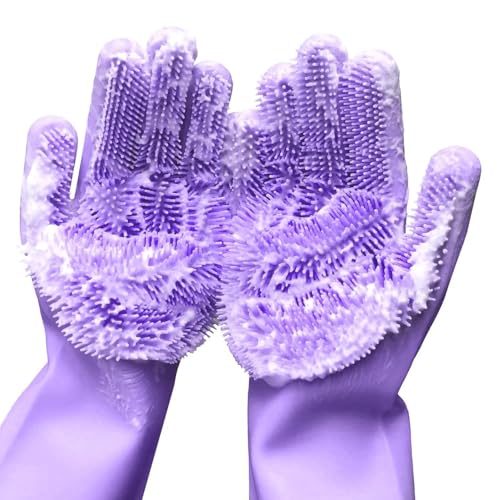


Before You Start
Prepare a cleaning station near the sink with warm tap water and a mild detergent. Avoid harsh chemicals on rubber or latex gloves, which can cause brittleness over time. Safety note: wear eye protection if splashing when using strong cleaners, and ensure gloves are fully dry before storage to prevent mold. Time estimate: 5–10 minutes per cleaning session, depending on usage.
Step-By-Step: How To Clean Dish Gloves
- Rinse the gloves under warm running water to remove loose food particles.
- Apply a small amount of mild dish detergent to the inside and outside surfaces.
- Use a silicone dish gloves cleaning brush or glove cleaning brush for kitchen gloves to work the soap into seams, cuffs, and between fingers.
- Focus on the cuff area where odors tend to buildup; gently scrub to lift residues.
- Rinse thoroughly to remove all soap, ensuring no residue remains in folds.
- If odors persist, soak gloves in warm water with a splash of white vinegar for 5–10 minutes, then rinse again.
- Shake out excess water and pat dry with a clean towel, then air-dry completely in a well-ventilated area away from direct heat.
- Inspect for wear or tears; replace gloves if the material shows holes or thinning seams.
- Store gloves fully dry, inverted or hanging, to prevent moisture buildup.
- Repeat routine after heavy use (e.g., after handling raw foods or strong cleaners) to maintain hygiene.
- For ongoing maintenance, keep a dedicated dish gloves cleaning brush nearby for quick touch-ups between deeper cleans.
- If a glove becomes difficult to clean due to staining, repeat the cleaning cycle or consider replacing that glove pair.
Troubleshooting
| Symptom | Likely Cause | Fix | Prevention |
|---|---|---|---|
| Persistent odor after washing | Trapped odor in folds | Soak in warm water with mild vinegar; rinse thoroughly | Wash gloves soon after use; dry completely |
| Soap residue after rinse | Too much detergent or water not rinsed well | Rinse longer; use a smaller amount of detergent | Rinse with running water until clear |
| Stiff or brittle material | Exposure to heat or harsh chemicals | Avoid hot water and strong solvents | Store away from heat; use mild cleaners |
| Mold in cuffs | Gloves not fully dry | Open cuffs to air-dry completely | Dry promptly after cleaning; store in a ventilated area |
Common Mistakes
- Using abrasive brushes that scuff rubber or silicone surfaces
- Letting gloves stay damp for long periods instead of air-drying
- Neglecting the inside surface during cleaning, leaving residue behind
- Mixing too-hot water with delicate gloves, causing material damage
- Skipping a full rinse, which can leave detergent on skin
Tips For Best Results
- Schedule a quick post-dishwashing rinse of gloves to prevent buildup of oils and detergents.
- Use a dedicated cleaning brush stored near the sink to encourage regular cleaning.
- Rotate pairs to give each glove ample time to dry between uses.
- Consider color-coding gloves to separate kitchen tasks and reduce cross-contamination.
Call A Professional
Contact a professional if gloves show persistent material degradation, persistent mold after thorough drying, or if odors return despite proper cleaning. Stop using worn gloves to prevent skin exposure to irritants or chemicals.
FAQ
How often should I clean dish gloves?
Clean gloves after heavy use or daily if used frequently to prevent residue buildup and odor.
Can I use dishwasher to clean gloves?
Dishwashers are not recommended for most gloves as high heat and detergents can damage material.
What cleaners are safe for gloves?
Use mild dish soap or a gentle detergent designed for hands; avoid bleach or strong solvents.
What if the gloves still smell after cleaning?
Try a vinegar soak, ensure complete drying, and consider replacing if odor persists after multiple cleanings.
Are silicone gloves easier to keep clean?
Yes, silicone gloves resist absorbing odors and are generally easier to rinse clean with the right brush.
Should I sanitize gloves?
Occasional sanitizing with a mild sanitizing rinse is acceptable, but ensure thorough rinsing afterward.
How can I dry gloves faster?
Turn gloves inside out to dry quicker, and use a towel to blot excess moisture before air-drying.
Buying Guide
When choosing dish gloves and cleaning tools, consider several factors beyond basic fit. Size matters for comfort and dexterity; ensure gloves fit snugly without restricting movement. Noise level, while not a typical concern for gloves, translates to the quiet operation of any cleaning tools used alongside them. Look for materials that resist heat, chemicals, and punctures, with a comfortable texture that remains flexible under water. Energy efficiency is not a concern for gloves themselves, but if you rely on powered cleaning tools, choose energy-efficient options. Controls should be simple, with clear grip and ergonomic design. Placement matters: store gloves in a dry, ventilated area away from direct heat to extend their life. For tools, compare the durability of first-line scrub brushes and the ease of replacement heads. Consider sets that include a glove cleaning brush and a dedicated dish gloves washing sponge brush for versatility. Cross-check compatibility with different glove materials (latex, nitrile, silicone) to avoid degradation. Finally, read user reviews focusing on ease of cleaning, durability, and odor control to make an informed choice.