Bathroom cabinets accumulate dust, spills, and fingerprints, especially in high-humidity environments. With the right tools and a simple routine, cabinet surfaces—from wood to laminate—can look refreshed without damage. This guide walks through a practical, scalable approach suitable for most American homes.
Quick Answer
Dust with a microfiber cloth, wipe with a gentle cleaner appropriate for your cabinet finish, then dry and polish. For stubborn grime, use a soft non-scratch scrub brush for edges and corners, and finish with a wood-safe cleaner or polish. Avoid harsh solvents on wood and always test a hidden area first.
What You’ll Need
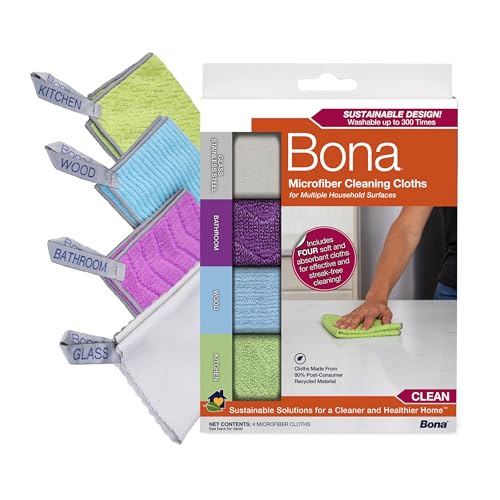
- Microfiber cloths for cleaning bathroom cabinets
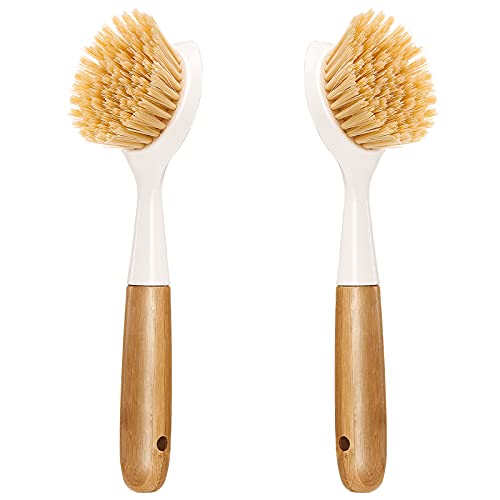
- Non-scratch scrub brush for cabinet cleaning
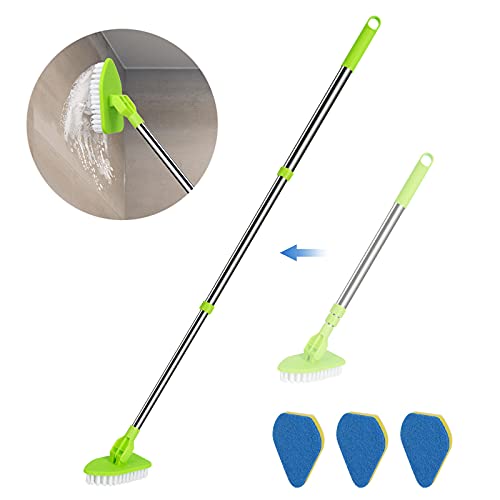
- Extendable cleaning brush for bathroom cabinet corners
- Wood cabinet cleaner and polish spray
- Soft microfiber sponge set for bathroom cabinet cleaning
Before You Start
Clear the area, remove items from the doors and shelves, and protect adjacent surfaces with a drop cloth or old towel. Work in a well-ventilated space to avoid buildup of cleaner fumes. Read labels to ensure compatibility with your cabinet finish. Do not use abrasive pads or harsh solvents on wood finishes. Plan for a quiet, steady workflow that minimizes water exposure to hinges and screws.
Step-By-Step: How To Clean Bathroom Cabinets
- Remove all items from doors and shelves to access every surface.
- Dust surfaces with a dry microfiber cloth to lift loose dirt before moisture touches the finish.
- Apply a small amount of wood cabinet cleaner and polish spray to a soft microfiber sponge; test a hidden spot first.
- Damp-wipe cabinet faces and doors with the sponge, following the grain on wood and in a consistent motion on laminate.
- Use a non-scratch scrub brush for stubborn grime along edges, corners, and decorative panels. Rinse brush frequently to avoid spreading dirt.
- Wipe away cleaner with a dry microfiber cloth to prevent streaks. For tight corners, use the extendable cleaning brush to reach crevices.
- Dry all surfaces thoroughly with a clean, dry microfiber cloth to prevent moisture damage.
- Reassemble items, and, if desired, apply a light polish or conditioner suitable for your cabinet finish.
- Inspect hinges and hardware; wipe with a damp cloth if needed and dry completely. Lubricate as recommended by the manufacturer if squeaks occur.
- Set up a maintenance routine: a quick weekly dusting and a deeper clean every 1–3 months depending on use.
- Dispose of used cloths properly and store cleaners in a cool, dry place away from children and pets.
Troubleshooting
| Symptom | Likely Cause | Fix | Prevention |
|---|---|---|---|
| Streaks after cleaning | Moisture left on surface | Buff with a dry microfiber cloth | Use minimal cleaner and dry thoroughly |
| Finish dulls or discoloration | Harsh cleaners on wood | Switch to wood-safe cleaner; test first | Always test on a hidden area |
| Scratches on veneer | Brass or metal scrub repeatedly; abrasive pad | Switch to non-scratch tools | Gentle technique, minimal pressure |
| Doors sticky after cleaning | Residual cleaner or moisture | Wipe thoroughly and dry; lubricate hinges | Ensure surfaces are completely dry before reassembly |
| Warping or swelling | Excess moisture | Limit water exposure; dry promptly | Keep humidity moderate and vents open |
Common Mistakes
- Over-wetting wood cabinets; moisture can warp finishes
- Using aggressive scrubs that scratch surfaces
- Ignoring wrong cleaners for laminated or painted finishes
- Cleaning hardware without removing dust first, spreading grime
- Neglecting to dry surfaces after cleaning
Tips For Best Results
- Test cleaners on a small, inconspicuous area before full use.
- Dust regularly to prevent buildup that requires stronger solvents.
- Use extendable brushes to avoid leaning into cabinets and causing strain.
- Maintain a gentle touch and use circular or light strokes for even cleaning.
- Choose cleaners specifically formulated for wood or laminate to preserve finish.
- Schedule routine maintenance to extend cabinet life and appearance.
Call A Professional
If cabinet surfaces show deep staining that refuses to lift, if veneer is peeling, or if water damage is suspected, a professional cabinet refinisher or carpenter should assess the condition. Seek help if cabinet doors no longer align after cleaning or if hinges are corroded, which can indicate underlying water damage or structural issues.
FAQ
Is it safe to use vinegar on bathroom cabinets?
Vinegar can be safe for some laminates but may damage natural wood finishes. Always test and dilute, or opt for a cleaner labeled as safe for wood or laminate.
How often should I clean cabinet interiors?
Light dusting weekly and a deeper clean every two to three months is typically sufficient, depending on humidity and use.
What’s the best way to handle grease on cabinet doors?
Use a mild dish soap solution with a damp microfiber cloth, then dry with a soft cloth to remove oil without leaving residues.
Can I polish wood cabinets after cleaning?
Yes, apply a wood-safe polish or conditioner after cleaning if the finish recommends it, and follow the product’s instructions.
Buying Guide
Choosing the right products for cleaning bathroom cabinets depends on the cabinet material and finish. Consider size and number of cabinets to determine how many microfiber cloths or sponges you’ll need. Noise level isn’t a major factor for hand cleaning, but if you use a powered tool, look for quiet operation. Energy efficiency isn’t a concern for cleaning supplies, but look for multi-surface cleaners to reduce the number of products. Controls aren’t relevant here, but organized storage of supplies helps. For placement, ensure cleaners are stored away from moisture-prone areas like under sinks. Compare cleaners by finish compatibility (wood, laminate, painted), ease of use, and scent preferences. A simple kit that includes microfiber cloths, a non-scratch scrub brush, an extendable reach tool, and a wood cabinet cleaner/polish spray usually covers most household needs, while soft microfiber sponges provide additional cleaning versatility. Consider bundles or sets to simplify shopping and ensure you have all needed tools in one purchase.