Chocolate mishaps on carpet are common in homes with kids, pets, or frequent snacks on the go. Quick action reduces staining and odor, making cleanup easier and more effective. This guide walks through practical steps using common tools and products to restore carpet fibers without damage.
Quick Answer
Blot first, scrub second, then treat. Use cold water to dilute the stain, a gentle carpet brush to lift it, and a targeted cleaner designed for starches and oils. Finish with a rinse and dry to prevent re-soiling.
What You’ll Need
Gather basic tools and the products listed below to tackle chocolate stains efficiently. The aim is to have a gentle approach that works on most carpet fibers without excessive soaking.
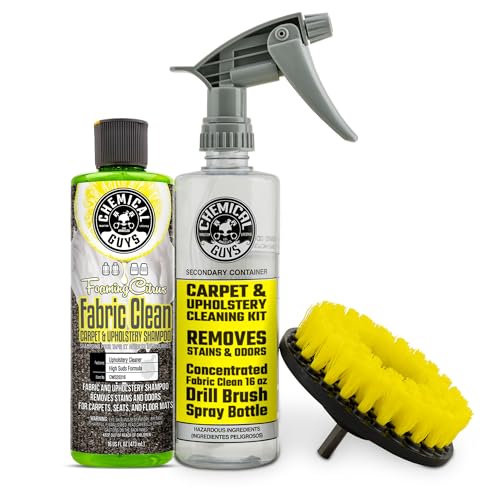
- Carpet stain remover brush kit
- Handheld carpet cleaning brush
- Carpet spot cleaner spray enzyme remover
- Carpet stain removal kit with brushes


Before You Start
Plan for a short cleanup window to prevent the stain from setting. Acts quickly by blotting up as much liquid as possible with a clean cloth or paper towels. Avoid rubbing, which can push chocolate deeper into fibers. Test any cleaner on an inconspicuous area to ensure colorfastness and fiber safety. A typical cleanup takes 15–45 minutes depending on stain size and fiber type.
Step-By-Step: How To Clean Chocolate Out Of Carpet
- Blot the spill with a clean, white cloth to lift surface chocolate without spreading it.
- Reset the area with a light spray of cold water and blot again to dilute the stain.
- Apply a small amount of carpet spot cleaner spray enzyme remover to the affected area.
- Use a handheld carpet cleaning brush to gently work the cleaner into the fibers in a circular motion.
- Let the enzyme cleaner sit for the time recommended on the product label to break down sugars and oils.
- Blot with a clean cloth to remove moisture and lifted residue; repeat as needed until no stain remains.
- Rinse the area with a small amount of water and blot to remove residual cleaner. Avoid soaking the carpet.
- Use a carpet stain remover brush kit to agitate the fibers lightly and lift any remaining particles.
- Allow the area to air dry completely; you can speed drying with a fan or by opening windows.
- Check for color restaining after drying. If faint staining remains, repeat the cleaning cycle with the enzyme remover.
- Once dry, vacuum the area to restore pile and blend with surrounding carpet.
Troubleshooting
| Symptom | Likely Cause | Fix | Prevention |
|---|---|---|---|
| Stain reappears after drying | Incomplete removal of oils or sugars | Reapply enzyme remover and repeat cleaning cycle | Address spills immediately; avoid over-saturating |
| Fabric fibers appear stiff after cleaning | Residual cleaning agent | Rinse area with minimal water and blot thoroughly | Use concentration-appropriate amounts |
| Color fading or yellowish tint | Harsh cleaner or over-wetting | Switch to milder product and allow thorough drying | Test cleaners first on inconspicuous spot |
| Stain persists on high-traffic carpet | Deep-set stain | Consider a portable carpet extractor machine for a deeper clean | Address promptly in future spills |
Common Mistakes
- Rubbing chocolate into the carpet fibers, which embeds the stain
- Using hot water, which can set sugars and oils
- Skipping a test patch on a hidden area of carpet
- Over-wetting the carpet, leading to warping or mold risk
Keeping a steady, gentle approach minimizes damage and improves stain removal success.
Tips For Best Results
- Work from the outside edge of the stain toward the center to prevent spreading.
- Prefer enzyme-based cleaners for foods with sugars and fats, like chocolate.
- For larger spills, a portable carpet extractor machine can provide deeper extraction without excessive soaking.
- Always dry the cleaned area thoroughly to prevent re-soiling and mildew.
- Regular carpet maintenance, including routine vacuuming, helps reduce future stains.
Call A Professional
When chocolate stains are extensive, or if the carpet is delicate, looped, or high-pile, consider professional cleaning. Stop signs include persistent staining after multiple clean cycles, strong odors, or suspected dye bleeding. A pro can assess fiber compatibility, apply industrial-strength cleaners, and restore color and texture without damage.
FAQ
Can I use hot water on chocolate stains?
No. Hot water can set the stain by melting sugars and oils, making them harder to remove.
Should I rub or blot chocolate from carpet?
Blot gently to lift moisture and residue; rubbing pushes the stain deeper into fibers.
What is the best cleaner for chocolate on carpet?
Enzyme-based or carpet spot cleaners designed for food stains work well, followed by a gentle brush for lift.
Can a portable carpet extractor remove chocolate stains?
Yes, for larger or deeply embedded stains a portable extractor can provide deeper cleaning and extraction.
Do I need to test cleaners first?
Yes, test on an inconspicuous area to ensure colorfastness and avoid damage.
How long should I let cleaner sit?
Follow the product label guidance; enzyme removers typically require several minutes to work.
Is sunlight helpful for drying?
Sunlight and air circulation speed up drying but avoid direct sun on sensitive colors that could fade.
Buying Guide
Choosing the right tools and products helps streamline chocolate stain cleanup and protects carpet fibers. Consider the following factors when evaluating options:
- Stain removal kit with brushes: Look for a kit that includes multiple brush textures for different fiber types and stain sizes. A kit with integrated stain removers simplifies the process.
- Carpet stain remover brush kit vs handheld carpet cleaning brush: Brush kits offer broader surface coverage and scrubbing control, while handheld brushes excel in tight spots and corner areas.
- Carpet spot cleaner spray enzyme remover: Enzyme-based formulas break down proteins and fats common in chocolate, improving removal and reducing odor.
- Portable carpet extractor machine: Consider if frequent messes occur or if larger stains require deeper cleaning; portable models offer flexibility without a full-size machine.
- Repair against colorfastness: Always verify that cleaners are safe for your carpet type (nylon, polyester, olefin, wool) and colorfastness with a patch test.
- Ease of use and drying time: Choose tools with intuitive operation and clear drying guidance to minimize downtime between cleaning and regular use.
- Maintenance and replacement parts: Prefer tools with replaceable brushes and readily available accessories for long-term use.
For most households, starting with a carpet spot cleaner spray and a handheld or braided brush kit covers common chocolate spills. If stains are persistent or frequent, a portable extractor offers deeper cleaning without soaking. Always balance convenience, fiber safety, and drying time to maintain carpet longevity.