Maintaining a clean washing machine door seal, or gasket, helps prevent mold, mildew, and unpleasant odors from transferring to clothing. This guide provides practical steps, tool recommendations, and safety tips for American homes, using common household cleaning practices and a focused set of cleaning tools.
Quick Answer
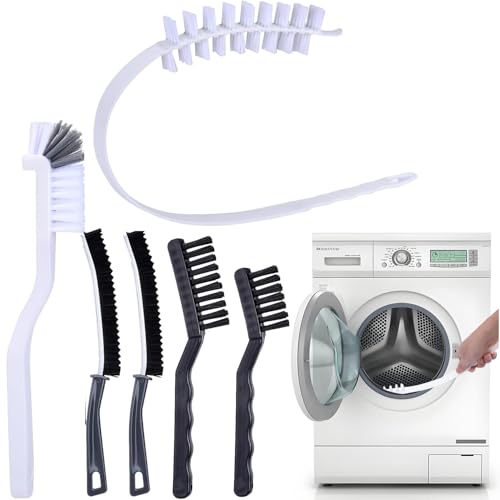
For a thorough clean, gather a gasket cleaning brush, a scraper tool for stubborn grime, an appliance cleaning brush set, and a dedicated washer door seal cleaner kit. Wipe, scrub, rinse, and dry the gasket regularly to prevent buildup. Address mold or mildew promptly to keep clothes fresh and the machine running efficiently.
What You’ll Need
- washing machine door gasket cleaning brush
- gasket scraper tool for washing machine rubber seal
- appliance cleaning brush set for washer door seal
- washing machine door seal cleaner kit
- washer door seal scrub brush set


Before You Start
Before cleaning, ensure the washing machine is turned off and unplugged. If cleaning a front-loading unit, wipe around the door and seal to remove standing water. Wear gloves to protect skin from cleaners and buildup. Plan a quiet cleanup on a day with a little extra time, as a full wipe-down may take 20–40 minutes, depending on mildew presence. Avoid harsh solvents that can degrade rubber over time.
Step-By-Step: How To Clean The Washing Machine Door Seal
- Open the door and inspect the gasket for lint, hair, mold, or slimy residue.
- Apply a mild, non-abrasive cleaner designed for appliance seals or a mixture of vinegar and water to the gasket’s inner folds.
- Use the gasket scraper tool for stubborn grime to lift and remove stuck debris without damaging the rubber.
- Gently scrub the surface with the washer door seal scrub brush set, paying attention to folds and crevices.
- Wipe away loosened debris with a damp cloth, then repeat the scrub and wipe until the gasket appears clean.
- For mold, spray the cleaner kit on affected areas and let it sit for a few minutes before scrubbing again.
- Rinse with clean water, ensuring no cleaner residue remains in the folds.
- Dry the gasket thoroughly with a clean towel to prevent moisture-related mold growth.
- Leave the door ajar for a short period after cleaning to allow air circulation and complete drying.
- Run an empty hot wash cycle with a cleaning solution or vinegar periodically to maintain overall cleanliness.
- Inspect for wear or cracks after each cleaning and address issues early to prevent leaks.
- Document a routine cleaning schedule to maintain gasket longevity and machine hygiene.
Troubleshooting
| Symptom | Likely Cause | Fix | Prevention |
|---|---|---|---|
| Visible mold on gasket | Moist environment, infrequent cleaning | Use a mold-safe cleaner and scrub thoroughly; dry after every use | Leave door slightly open after cycles |
| Malodor after washing | Debris trapped in folds | Scrub with gasket brush set and rinse | Regular quick cleans between heavy cleans |
| Water leaks around door | Damaged gasket or improper seal | Inspect for cracks; replace gasket if damaged | Check door alignment and seal condition periodically |
| Stubborn residue remains | Built-up mildew or soap scum | Use dedicated cleaner kit and allow dwell time | Choose high-quality cleaners designed for seals |
Common Mistakes
- Using abrasive brushes that damage the rubber
- Mixing cleaners that leave residues or create slippery surfaces
- Over-wetting the gasket, which can spread mold during cycles
- Neglecting to dry the seal after cleaning
These missteps can shorten gasket life and invite recurring odors. Stick to soft tools and milder cleaners, and ensure complete drying after each session.
Tips For Best Results
- Clean the gasket after each large load of damp towels or gym wear, which tend to trap more moisture.
- Use a dedicated washer door seal cleaner kit for specialized mold-killing cleaners that are safe for rubber.
- If you notice persistent mildew in the folds, consider running the occasional hot water cycle with bleach-free, enzyme-based cleaners following product instructions.
- Inspect the gasket’s surface for cracks or hardening; replacement may be necessary if the seal loses elasticity.
- Keep a small towel nearby to pat dry the seal after each wash to reduce moisture retention.
Call A Professional
Seek professional help if:
- The gasket shows deep cracks or tears that compromise the seal.
- There is persistent water leakage after cleaning and reseating the door.
- You suspect internal drainage or pressure issues related to the door seal.
FAQ
Can I use bleach on the washing machine door gasket?
Bleach can degrade rubber over time; many manufacturers advise against routine use. Use milder cleaners or enzyme-based cleaners designed for gaskets.
How often should I clean the door seal?
Aim for a quick wipe-down weekly and a thorough cleaning monthly, more often if the machine is used for damp items.
What if there’s mold behind the gasket?
Remove the front panel if applicable, clean behind the gasket folds, and consider professional service if you cannot access it safely.
Will cleaning the seal affect warranty?
Most cleaning procedures are safe when using manufacturer-recommended products and non-abrasive tools; always check your warranty terms.
Should I run a cleaning cycle after cleaning the gasket?
Yes, running a cleaning cycle helps flush residues and maintain overall machine hygiene.
Buying Guide
When selecting tools and cleaners for the washing machine door seal, consider size, material compatibility, and ease of use. Look for gentle, non-abrasive cleaners and tools designed for appliance gaskets. Consider a compact gasket scraper tool that reaches tight folds, and a dedicated appliance cleaning brush set tailored for washer doors. A kit labeled for door seals often includes brushes, scrapers, and cleaning agents that are formulated to protect rubber.
Key factors include:
- Size and reach: Choose brushes and scrapers that fit the gasket folds without requiring force.
- Material compatibility: Avoid metal tools that can tear rubber; prefer plastic or silicone-tipped tools.
- Cleaning agents: Use products designed for appliance seals and mold prevention; avoid harsh solvents.
- Ease of use: All-in-one kits with guided steps help maintain consistent results.
- Durability: Reusable brushes and scrapers save money over time and reduce waste.
For best results, pair a gasket cleaning brush with a scraper tool and a dedicated cleaner kit. If you routinely handle hard-water deposits, consider a water-softening solution to reduce mineral buildup on seals. Finally, schedule regular maintenance checks to keep the door seal and washing machine performing at their best.