Abalone shells are prized for their iridescent interior and natural textures. Cleaning them carefully helps preserve their colors and structural integrity. This guide presents practical, step-by-step methods using common tools and safe techniques suitable for most households.
Readers can follow a straightforward process that balances gentle cleaning with effective debris removal. The methods here leverage soft brushes, non-scratch sponges, and light polishing to maintain the shells’ natural beauty without causing damage.
Quick Answer
Rinse shells with lukewarm water, remove loose debris with a soft brush, scrub gently with a non-scratch sponge, dry completely, and polish with a microfiber cloth. For stubborn deposits, use a mild soap and an ultrasonic cleaner on a low setting for delicate pieces, then rinse and dry thoroughly.
What You’ll Need
- Soft nylon bristle shell cleaning brush for seashells
- Non-scratch cleaning sponge for seashells
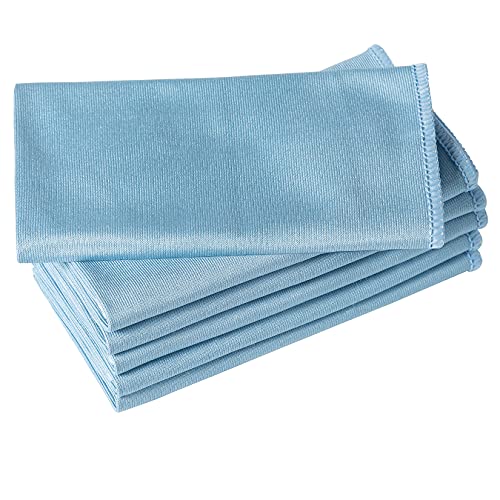
- Microfiber polishing cloth for seashell cleaning
- Handheld scrub brush with curved handle for shells

Before You Start
Inspect each abalone shell for cracks or loose pieces. Work in a well-lit area and wear protective gloves if hands are sensitive to cleaning products. Use lukewarm water and avoid hot water, which can shock or crack shells. Never use harsh abrasives or bleach. Plan for a 10–30 minute cleaning session depending on the amount of debris.
Safety note: If shells are valuable or fragile, test cleaning on an inconspicuous area first. Prolonged soaking can damage the nacre, so limit water exposure when possible.
Step-By-Step: How To Clean Abalone Shells
- Gently rinse the shells under lukewarm running water to remove loose sand and debris.
- Use the soft nylon bristle shell cleaning brush to loosen stubborn grime from ridges and crevices without scratching the surface.
- Apply a small amount of mild soap if needed and scrub with the handheld scrub brush with curved handle for easier access around curves.
- For delicate areas, switch to a non-scratch cleaning sponge to avoid micro-scratches on the nacre.
- Rinse thoroughly to remove all soap residues; any soap film can dull the surface.
- Pat dry with a microfiber polishing cloth and let the shells air-dry completely in a clean area.
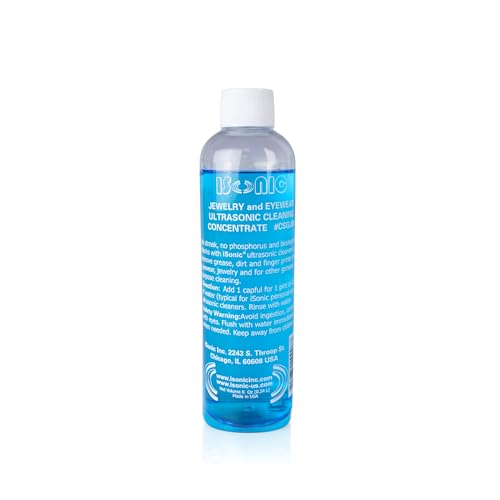
- If deposits persist, consider a gentle ultrasonic cleaner on a short cycle with water only and no detergents, then rinse and dry thoroughly.
- Inspect for remaining debris and repeat gentle cleaning if necessary, ensuring no moisture remains in crevices to prevent mold.
- Store shells in a dry, ventilated area away from direct sunlight to prevent fading or cracking.
- Document any cleaning steps that worked well for future care, especially for shells used in displays.
- Handle shells gently when moving them to avoid chipping or cracking the edge surfaces.
Troubleshooting
| Symptom | Likely Cause | Fix | Prevention |
|---|---|---|---|
| Dull appearance after cleaning | Soap residue or improper drying | Rinse well and dry with microfiber cloth; re-polish | Rinse thoroughly; dry immediately |
| Visible scratches or micro-scratches | Aggressive scrubbing or abrasive tools | Switch to non-scratch sponge and light brushing | Use gentler tools on sensitive areas |
| Cracks appearing during cleaning | Shell already stressed or exposed to heat | Stop cleaning and let shells rest in air | Avoid hot water and sudden temperature changes |
| Soap film in crevices after rinse | Soap not fully rinsed | Rinse again with clean water and wipe | Thorough final rinse |
Common Mistakes
- Using harsh detergents or bleach on shells
- Aggressive scrubbing with metal or hard brushes
- Over-soaking shells, which can weaken nacre
- Skipping thorough drying, inviting mold or odor
Choosing the right tools helps avoid these issues. Gentle methods preserve the shell’s natural shine and structural integrity.
Tips For Best Results
- Always start with a gentle rinse to remove dry debris before brushing.
- Test in a small area before applying soap to fragile shells.
- Use microfiber cloths for a streak-free, glossy finish.
- Keep shells dry between cleaning sessions to prevent mold growth.
- Label display shells to avoid handling them too often, which can cause wear.
Call A Professional
Seek professional help if a shell shows deep cracks, signs of mold that won’t clean, or if you are cleaning rare or heirloom specimens. Also contact a pro if you suspect previous repairs have weakened the shell’s structure or if you are unsure about the appropriate cleaning method for large, valuable pieces.
FAQ
Can I use vinegar to clean abalone shells?
Vinegar is generally not recommended as it can damage the nacre over time; stick to mild soap and water for routine cleaning.
How often should I clean abalone shells?
Cleaning as needed to remove dirt is sufficient; avoid over-cleaning which can wear the surface.
Is ultrasonic cleaning safe for all shells?
Ultrasonic cleaning can be gentle, but it should be used on a low setting and not for fragile or damaged shells; test small areas first.
What’s the best way to dry abalone shells after cleaning?
Pat dry with a microfiber cloth and allow to air-dry completely in a clean, dry area.
Buying Guide
When selecting tools for cleaning abalone shells, consider size, material, and gentleness. Look for soft brushes with rounded bristles to reach tight crevices, non-scratch sponges that won’t mar the surface, and microfiber cloths for polishing without lint. If choosing an ultrasonic cleaner, opt for a small unit designed for delicate items with adjustable low-power settings to protect the nacre. Consider storage options that keep shells dry and protected from direct sunlight to maintain color and luster over time.