Dog hair can scatter across every room, especially on hard floor surfaces. This guide provides practical, buzzword-friendly steps and tool recommendations to efficiently reduce pet hair on wood, tile, and other hard floors using common household gear and purpose-built tools.
Across American homes, pet hair tends to cling to floor crevices and corners. With the right routine and the best tools, homeowners can maintain a cleaner, allergy-friendly living space without spending hours each week on cleaning.
Quick Answer
Best overall approach: combine a dedicated pet hair remover tool with routine vacuuming and a microfiber mop to lift hair from hard floors quickly. Start with a rubber bristle broom for large clumps, finish with a microfiber mop and a vacuum attachment designed for pet hair.
What You’ll Need
- Rubber bristle broom dog hair remover hardwood floor
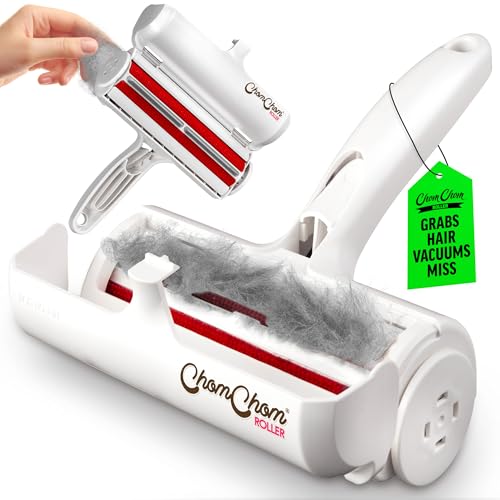
- Pet hair removing roller brush for tile floor
- Microfiber mop for dog hair hardwood floors
- Vacuum cleaner with pet hair attachment hard floor
- Lint roller for pet hair on wood floor


Before You Start
Prepare a clean, dry floor surface free of loose debris. Remove small objects that could obstruct tools. Wear a mask if you’re sensitive to dust and pet dander. Set aside a few minutes for a routine cycle, typically 15–20 minutes for a single home floor cleaning session. Ensure good lighting so you can see hair in corners and along baseboards.
Step-By-Step: How To Get Rid Of Dog Hair On Floors
- Start with a rubber bristle broom to sweep up large hair clumps and prevent tangles in the vacuum or mop.
- Go over baseboards and corners where hair tends to accumulate using the broom, then pick up loose strands with a lint roller for pet hair on wood floor.
- Attach the pet hair removing roller brush for tile floor to your broom or use it directly on hard surfaces to collect embedded hair.
- Vacuum a wide path using a vacuum cleaner with a pet hair attachment on hard floors, focusing on high-traffic areas.
- Switch to a microfiber mop for dog hair hardwood floors and spray a light cleaning solution if desired, then mop in straight lines to trap fine hair.
- Rinse or replace the mop pad as needed and repeat in the opposite direction to maximize hair pickup.
- Go back over stubborn spots with the lint roller for pet hair on wood floor, pressing firmly to lift hair from the surface.
- Empty the vacuum canister or bag after cleaning to prevent re-circulation of hair and dust.
- Finish with a final pass using the microfiber mop to capture any remaining particles and leave a streak-free surface.
- Inspect the room and re-clean any areas where hair reappears, especially under furniture and along door thresholds.
- Schedule a regular maintenance routine to minimize buildup, such as daily quick sweeps and weekly deep cleans.
Troubleshooting
| Symptom | Likely Cause | Fix | Prevention |
|---|---|---|---|
| Hair sticks to floor after cleaning | Residual dust or static on microfiber | Rinse mop pads and lightly dampen cloths; avoid over-wetting | Clean pads regularly; use dry dusting first |
| Hair not picking up with roller brush | Hair clogged in tool | Clean roller brush and remove hair strands | Check tool after every use |
| Hair reappears near doorways | Outdoor shedding or pet movement | Wipe entry mats and vacuum entrances more often | Place outdoor mats and brush pets before indoor entry |
| Floor streaks after mopping | Excess cleaner or wet mop | Rinse mop pad and use a light, even pass | Use minimal solution; dry-floor polish if recommended |
Common Mistakes
- Using regular brooms alone on hair-heavy floors—static and small fibers aren’t fully captured.
- Over-wetting the floor when mopping, which can spread hair into the grain.
- Relying on a single tool; mixing tools yields better results.
- Neglecting baseboards and corners where hair accumulates.
Tips For Best Results
- Adopt a routine that combines sweeping, rolling, vacuuming, and mopping.
- Choose a dedicated pet hair tool with a wide cleaning path for efficiency.
- Replace mop pads and lint rollers frequently during a cleaning cycle for consistent pickup.
- Target high-traffic zones first to reduce overall hair spread.
Call A Professional
If air quality concerns or extensive shedding accompany visible hair buildup, consider professional cleaning services or a pest and allergen specialist for assessment and targeted treatment.
FAQ
What is the fastest way to remove dog hair from hard floors?
Use a rubber bristle broom to sweep up large clumps, then finish with a microfiber mop and a vacuum attachment designed for pet hair.
Can I use vinegar or soap to clean after hair removal?
A light, everyday floor cleaner or microfiber mop with a gentle solution is suitable; avoid harsh chemicals that may irritate pets.
Which tool is best for tile floors?
A pet hair removing roller brush for tile floor works well alongside a vacuum with a hard-floor pet attachment.
How often should I clean for a shedding-heavy home?
Daily quick sweeps and a thorough weekly clean help manage hair buildup and airborne dander.
Buying Guide
When selecting tools to manage dog hair on floors, consider size, noise level, energy efficiency, controls, and placement. A good setup combines a broom, roller brush, microfiber mop, vacuum with a pet-hair attachment, and a lint roller for spot touch-ups. For larger spaces, prioritize a high-efficiency vacuum and a wide-mop head to reduce time spent cleaning. Noise level matters for pets, so choose quieter models to minimize stress. Look for durable materials, easy-empty bins, and compatible floor types (hardwood, tile, laminate). Consider storage space and reach to reach under furniture and along baseboards. A balanced toolkit across these factors improves overall cleanliness and minimizes dog hair on floors. Do you want tools that work well on multiple surfaces, or specialized gear for specific rooms? A flexible combination often yields the best results.