Heat damage can accumulate from styling tools, chemical treatments, and daily exposure. This guide provides practical steps to restore softness, strength, and shine—using common hair-care products and routine changes suitable for American households.
By following a structured routine that combines repair treatments, protective products, and mindful styling, damaged hair can gradually recover its healthier look and feel. The focus is on accessible strategies you can implement at home with readily available products.
Quick Answer
Identify the damage and prioritize bond-building care. Use a bond-building leave-in treatment regularly, pair with a deep conditioning hair mask, and apply a professional heat protectant spray before any heat styling. For styling, incorporate a flat iron heat diffuser with heat-protectant spray set to minimize direct heat contact.
What You’ll Need
- Home keratin treatment kit for damaged hair
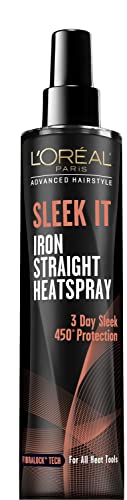
- Professional heat protectant spray for damaged hair
- Deep conditioning hair mask for heat-damaged hair
- Bond-building leave-in treatment for heat-damaged hair
- Flat iron heat diffuser with heat-protectant spray set


Before You Start
Start with a gentle cleanse to remove buildup, then detangle with care. Time estimates: 60–90 minutes for the initial treatment cycle, plus ongoing weekly maintenance. Important cautions include avoiding additional heat on fragile days, performing a patch test for new products, and never using heat tools on wet hair. If you notice excessive breakage, scalp irritation, or persistent frizziness, pause routine and consult a professional.
Step-By-Step: How To Repair Heat-Damaged Hair
- Wash with a mild, sulfate-free shampoo to remove residue without stripping moisture.
- Gently squeeze out excess water and apply a deep conditioning hair mask for heat-damaged hair from mid-length to ends. Leave as directed, then rinse.
- Apply a bond-building leave-in treatment for heat-damaged hair to damp hair, focusing on mid-lengths and ends.
- Optionally use a home keratin treatment kit for damaged hair as directed for deeper repair, following all safety instructions.
- Treat with professional heat protectant spray for damaged hair to create a protective barrier before any heat exposure.
- Distribute product evenly and detangle with a wide-tooth comb. Avoid rough towel-drying; use a microfiber towel or cotton T-shirt to reduce breakage.
- If using heat, attach a flat iron heat diffuser with heat-protectant spray set and set the tool to a moderate temperature. Work in small sections, keeping the iron moving to prevent hot spots.
- Finish with a lightweight leave-in serum or oil to seal the cuticle and add shine without weighing hair down.
Troubleshooting
| Symptom | Likely Cause | Fix | Prevention |
|---|---|---|---|
| Dry, brittle ends | Insufficient moisture or over-processed hair | Increase conditioning frequency; avoid high heat | Use a weekly deep conditioner; trim split ends regularly |
| Frizz after styling | Rough cuticle or humidity exposure | Apply a smoothing serum and use a light diffuser | Hydrate daily; avoid over-brushing when dry |
| Weighting or limp feel | Over-application of heavy products | Use lighter leave-ins and apply only to ends | Balance moisturizing products with protein treatments |
| Product buildup on scalp | Too many products or incorrect wash routine | Clarify with a gentle clarifying wash monthly | Rinse thoroughly; use appropriate amounts |
Common Mistakes
- Applying heat protectants after hair has already been damaged by heat—prevention starts before styling.
- Using heavy oils or creams on fine hair, which can weigh down strands and cause buildup.
- Skipping conditioning after chemical treatments; hydration is essential for recovery.
- Over-drying hair with towels or hot tools; gentle handling preserves elasticity.
Tips For Best Results
- Limit the use of high-heat tools and allow air-drying when possible to reduce cumulative damage.
- Incorporate a routine that alternates bonding treatments with moisture-rich masks to rebuild structure and hydration.
- Choose a heat diffuser with a consistent, even airflow to minimize direct heat on the shaft.
- Protect hair at night with a satin pillowcase to reduce friction-induced breakage.
- Keep a simple weekly schedule: cleanse, mask, bond treatment, protectant, and light styling to sustain progress.
Call A Professional
Consider professional help if experiencing severe breakage, persistent shedding, or if DIY attempts fail to improve texture after several months. Stop using aggressive chemical treatments temporarily if the hair becomes noticeably brittle. Seek a licensed stylist or trichologist for a personalized plan and scalp health assessment.
FAQ
What causes heat damage to hair?
Repeated exposure to high temperatures, chemical processing, and inadequate moisture can weaken the cuticle and cortex, leading to dryness, breakage, and dull color.
Can heat damage be reversed?
Partial repair is possible through consistent use of bond-building products, deep conditioning, and controlled heat styling, though some damage may be long-lasting.
How often should I use a bond-building treatment?
Typically 1–2 times per week during recovery, adjusting based on hair response and product instructions.
Are DIY keratin kits safe at home?
Many are safe when used as directed, but follow all precautions, perform a strand test, and avoid overlapping with chemical treatments.
Should I cut damaged ends?
Trimming damaged ends is often part of a recovery plan to remove texturally weak areas and encourage healthier growth.
Is a diffuser necessary for heat protection?
Not strictly necessary, but a diffuser helps distribute heat more evenly and reduces direct heat exposure on strands.
Can I use silicone serums on damaged hair?
Yes, in moderation. Silicones can seal the cuticle and add shine, but excessive use may require clarifying washes to prevent buildup.
Buying Guide
When selecting products to combat heat damage, consider size, noise level, energy efficiency, controls, and placement:
- Size and packaging: Choose convenient sizes for trial and long-term use; travel-friendly options help maintain routines on the go.
- Noise level: For users sensitive to sound, opt for low-noise diffusers and hair tools to keep routines comfortable.
- Energy efficiency: Look for devices with temperature control and automatic shutoff to save energy and prevent overheating.
- Controls and ease of use: Simple dial or digital controls make it easy to set appropriate heat levels and timing.
- Placement: Ensure diffusers and sprays fit your styling space and storage, keeping gear organized and accessible.
- Compatibility of products: Select a cohesive set—keratin treatments, bond-building sprays, masks, and heat protectants—that work together for stronger results.
- Safety certifications: Check for dermatologist-tested labels and product safety warnings before purchasing.
- Return policy and warranties: Favor brands that offer testing periods and reliable customer support in case adjustments are needed.