Bronze items—from statues to jewelry to decorative accents—deserve care that preserves their patina while removing grime. This guide covers practical, safe methods using common bronze cleaners and tools, tailored for American households and DIY enthusiasts. Readers will learn a clear process, from preparation to maintenance, to keep bronze looking its best without damaging its finish.
Quick Answer
Use a bronze-safe cleaner and a soft brush or cloth to remove dirt, then polish with a dedicated bronze cloth or metal polish. For delicate patina, choose a patina-safe cleaner and test a small area first. Never use abrasive scrubbers on antique pieces.
What You’ll Need
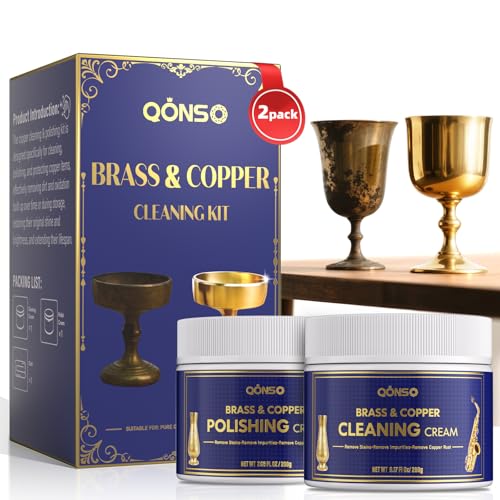
- Bronze cleaner kit with microfiber polishing cloth
- Bronze jewelry cleaning solution polish
- Soft-bristle brush bronze statue cleaning kit
- Patina-safe bronze cleaner
- Bronze polishing cloth and metal polish


Before You Start
Prepare a clean, well-lit workspace with a soft surface to lay items on. Protect surrounding surfaces with a cloth or newspaper to catch drips. Wear disposable gloves to minimize skin contact with cleaners, and avoid exposing bronze to harsh chemicals or ammonia-based products. Time estimates: cleaning a small piece takes 10–20 minutes, larger items may take up to an hour when allowing drying time.
Important cautions: never use abrasive pads, metal brushes, or strong acids on antique or patinaed bronze. If the piece has historical value or a delicate finish, consider consulting a professional before cleaning.
Step-By-Step: How To Clean Bronze Safely
- Inspect the piece for mounting points, loose parts, or flaking patina. Document before cleaning in case restoration is needed later.
- Dust with a soft-bristle brush to remove surface debris. Work in gentle, circular motions to avoid scratching.
- Apply a small amount of bronze cleaner or patina-safe cleaner to a microfiber cloth, not directly onto the surface. Test a hidden area first for color or finish changes.
- Gently wipe the bronze in slow strokes, focusing on crevices. For intricate details, use the soft brush dipped in cleaner, then wipe away with a clean cloth.
- Rinse or wipe away cleaner residue with a damp microfiber cloth. Ensure all cleaner is removed to prevent a dull film from forming.
- Dry the piece thoroughly with a clean, dry cloth. Patina-safe finishes may require minimal moisture; avoid soaking.
- If desired, apply bronze polishing cloth and metal polish in a thin, even layer following the grain of the metal. Buff until a soft luster appears, then wipe away excess polish.
- For jewelry or small items, repeat the process as needed, paying special attention to clasps and settings where grime tends to accumulate.
- Address stubborn tarnish with a specialty cleaner meant for bronze, always testing first and using short, cautious passes.
- Finally, seal the surface with a light protective coating if recommended by the cleaner’s instructions, and allow full drying before handling.
- Store cleaned bronze in a dry environment, away from humidity and direct sunlight to slow tarnish formation.
- Regular maintenance: dust weekly and perform a light cleaning every few months to extend the life of the finish.
Troubleshooting
| Symptom | Likely Cause | Fix | Prevention |
|---|---|---|---|
| Dull, cloudy finish after cleaning | Residual cleaner or polish residue | Wipe with a clean microfiber cloth and re-polish lightly | Rinse thoroughly and avoid over-cleaning |
| Scratches or metal loss in patinaed areas | Abrasive tools or harsh cleaners | Discontinue use of abrasive tools; seek patina-safe products | Use only soft brushes and non-abrasive cleaners |
| Discoloration or uneven tone | Incompatible cleaners with patina | Test patch with compatible patina-safe cleaner | Stick to patina-safe formulas for sensitive pieces |
| Piece remains dirty in crevices | Insufficient brushing in detailed areas | Gently re-clean with a small brush and cleaner | Use a brush designed for bronze detailing |
| Protective coating streaks | Over-application of polish | Buff in a single direction until clear | Follow product directions precisely |
Common Mistakes
- Using abrasive pads or steel wool on bronze
- Applying cleaners directly to large surfaces without testing
- Ignoring patina-preservation needs on antique pieces
- Over-polishing, which can remove intentional patinas
- Rushing the drying process, leading to water spots
Tips For Best Results
- Always test cleaners on a small, inconspicuous area first to check for color changes.
- Choose a cleaner that matches the piece’s finish—regular bronze cleaner for new items, patina-safe options for heirlooms.
- Use a microfiber cloth to minimize lint and scratches during polishing.
- For heavily tarnished pieces, alternate between cleaning and polishing sessions rather than trying to remove all tarnish in one go.
- Store bronze away from humidity and in a dry environment to slow tarnish development between cleanings.
Call A Professional
Consider a professional if the bronze piece is priceless, exhibits flaking patina, reveals corrosion beneath the surface, or has structural damage. Stop cleaning if you notice weight loss, loosened parts, or unstable mounting, and seek expert assessment promptly.
FAQ
Can I use household cleaners to clean bronze?
Household cleaners are not recommended for bronze, especially on items with patina or antique finishes. Use cleaners labeled for bronze or patina-safe formulas and test first.
Is patina-safe cleaning necessary for all bronze items?
No. For modern bronze pieces with a uniform finish, standard bronze cleaners work well. For antique or patinaed surfaces, use patina-friendly products to protect the historic look.
How often should I clean bronze statues outdoors?
Outdoor bronze may tarnish faster due to weather exposure. Clean as needed, typically every few months, and apply a protective coating if recommended by the cleaner.
What’s the best way to polish bronze jewelry?
Use a jewelry-specific bronze cleaning solution or a gentle bronze polish, applied with a soft cloth and buffed until residue is removed.
Buying Guide
Choosing the right products for bronze care depends on the piece type, finish, and maintenance goals. Consider the following factors:
- Size and scope: Larger statues may need sprays or bulk cleaners, while small jewelry requires gentle solutions.
- Noise level and ease of use are more about the tools; hand-held brushes and cloths are quiet and simple for home use.
- Energy efficiency is not a major concern for cleaning; focus on low-wac or water-efficient cleaning methods when using sprays or rinses.
- Controls and ease of use: Pre-mixed cleaners with clear directions reduce missteps and provide consistent results.
- Placement considerations: Indoor storage with controlled humidity helps maintain finish; outdoors may require periodic maintenance and protective coatings.
- Special needs: If artwork has visible patina or historical value, select patina-safe products and consider professional advice for preservation.
In practice, pairing a bronze cleaner kit with a microfiber cloth and a soft-bristle brush offers a versatile, user-friendly approach for most household needs. For sensitive pieces, a patina-safe cleaner can minimize risk while preserving the desired finish. By following the steps and precautions outlined, users can achieve consistent, professional-looking results without compromising the integrity of bronze items.