Keeping a concrete patio clean extends its life and enhances curb appeal. This guide outlines practical, field-tested methods using common tools and attachments, with a focus on American households. Readers will learn quick strategies, essential safety steps, and how to select the right equipment for different patio sizes and stains.
Quick Answer
For a typical residential patio, start with a garden hose and a stiff brush, then progress to a pressure washer with the appropriate nozzle. Use a rotary nozzle wand or surface cleaner for large areas, and add a concrete cleaning brush attachment for stubborn stains. Always test a small area first and work in shaded sections to prevent boiling water or chemical damage to nearby plants.
What You’ll Need
- Electric pressure washer for concrete patio 2000 PSI
- Gas powered pressure washer 3000 PSI concrete patio
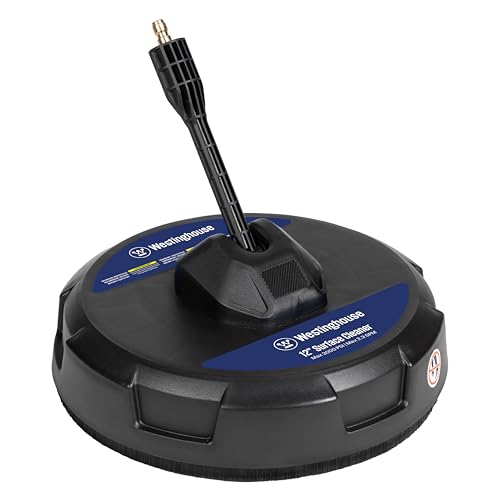
- Concrete patio surface cleaner attachment
- Rotary nozzle wand for pressure washer concrete
- Concrete patio cleaning brush attachment for drill


Before You Start
Prepare the area by clearing furniture, grills, and planters. Sweep away loose debris and seal or cover nearby plants if using chemical cleaners. Inspect the surface for cracks or loose tiles and mark fragile areas. Wear safety glasses, gloves, and closed-toe shoes. Avoid using hot water on winterized concrete surfaces as it may cause cracks. Plan the job by dividing the patio into sections and estimating time for each section, typically 1–2 hours for a standard patio.
Step-By-Step: How To Clean A Concrete Patio
- Rinse the entire patio with a garden hose to remove loose dirt and debris.
- Apply a pre-wash cleaner if stains are present, focusing on oil, grease, and tire marks.
- Attach the concrete patio surface cleaner to the electric or gas pressure washer for wide, uniform coverage.
- Start at a higher pressure setting and gradually reduce as you approach delicate edges or old sealants.
- Use the rotary nozzle wand for stubborn stains or highly soiled corners, keeping the wand moving to avoid etching.
- For tough spots, use a concrete cleaning brush attachment for a drill to scrub before re-washing.
- Rinse thoroughly to remove all cleaning solutions and dislodge debris, working in straight, overlapping passes.
- Inspect the surface. If any stains remain, repeat the brushing and rinsing process or apply a second pass with a cleaner designed for concrete.
- Allow the patio to dry completely before moving furniture back and sealing if desired.
- Optional: Apply a concrete-specific sealant after drying to protect against future staining.
Troubleshooting
| Symptom | Likely Cause | Fix | Prevention |
|---|---|---|---|
| Poor cleaning after a full pass | Insufficient pressure or incorrect nozzle | Switch to a rotary nozzle wand for better scrubbing | Use the surface cleaner for large areas |
| Streaks or etching on surface | Too close to surface or high pressure on delicate areas | Back off distance and reduce PSI for edges | Test on a small area first |
| Stubborn oil stains persist | Oil deeply penetrated the concrete | Apply a degreaser and scrub with a drill brush | Address stains promptly in future cleanings |
| Weeping water or cracks after cleaning | Surface already damaged or weathered | Cease aggressive cleaning and consider professional assessment | Surface maintenance and sealing |
Common Mistakes
- Using too high pressure on sealed or delicate surfaces
- Neglecting to protect plants and outdoor furniture from chemicals
- Forgetting to rinse away cleaning agents completely, leaving residues
- Overlooking safety gear or slip hazards on wet surfaces
- Waiting too long to address new stains, making them harder to remove
Tips For Best Results
- Test equipment on a small, inconspicuous patch before full-scale cleaning
- Work from one end to the other in straight, overlapping passes to avoid missed areas
- Choose a surface cleaner for large patios to reduce streaking and save time
- Use cold water and avoid chemical cleaners near sensitive landscaping
- After cleaning, consider sealing to protect against stains and weathering
Call A Professional
Seek professional help if the patio has extensive cracking, pitting, or a deteriorating sealant. Stop and contact a pro if:
- There are visible cracks or loose sections that may worsen with pressure washing
- Staining is from unknown or hazardous sources
- Electrical outlets or gas lines are nearby and require careful handling
FAQ
What PSI is best for cleaning a concrete patio?
The right range depends on the surface. Start with around 1500–2000 PSI for standard concrete and use higher PSI (up to 3000) with caution for tougher stains and durable surfaces.
Can I use a standard pressure washer on all concrete patios?
Most home patios can handle a typical pressure washer setup, but surfaces with old sealant or decorative finishes may require gentler approaches.
Is a surface cleaner attachment necessary?
No, but it greatly speeds up large areas and reduces streaking compared to a wand alone.
Should I seal my concrete patio after cleaning?
Sealing helps protect against stains and weathering, but it’s best after the surface is completely dry and clean.
What safety measures are essential?
Wear eye protection, gloves, and non-slip footwear; protect plants and electrical outlets; avoid direct skin exposure to cleaners.
Buying Guide
When selecting equipment for cleaning a concrete patio, consider size, power, and attachments that fit the job. A 2000 PSI electric or a 3000 PSI gas-powered washer can handle most residential patios, but larger or heavily stained areas may benefit from higher PSI and specialized attachments. Look for a concrete patio surface cleaner for broad, uniform passes and a rotary nozzle wand for stubborn stains. A drill brush attachment provides an alternative scrubbing option for deeply ingrained grime. Noise level, fuel type, and energy efficiency influence long-term use and maintenance. Place the setup where coverage is easy and safe, avoiding immediate proximity to living areas or landscaping that can be damaged by spray or cleaners.