Cleaning knives properly preserves edge life, prevents contamination, and keeps kitchen tools ready for use. This guide explains practical steps for routine cleaning, from everyday stainless steel blades to specialty chef knives, using common household items and purpose-made tools.
Readers will find a clear process, safety notes, and troubleshooting tips to handle stubborn residue, rust spots, and blade scuffs without damage. By following these steps, home cooks can maintain hygiene and performance with confidence.
Quick Answer
Rinse the blade immediately after use, wash with warm water and a mild dish soap, gently scrub with a dedicated knife cleaning brush or manual knife cleaning kit, dry thoroughly, and store safely. Avoid abrasive pads on the edge, never soak sharp knives, and keep blades dry to prevent rust.
What You’ll Need
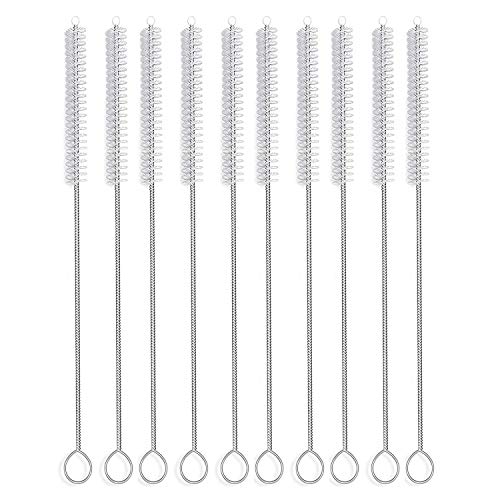
- Stainless steel kitchen knife cleaning brush nylon bristles
- Chef knife cleaning brush ergonomic handle silicone
- Knife care kit microfiber towel dish soap spray
- Silicone knife cleaning mat scraper
- Manual knife cleaning kit with sponge and brush

Before You Start
Prepare a clean workspace with a stable surface and good lighting. Use warm, not hot, water to avoid thermal shock on delicate coatings. Wear cut-resistant gloves if you’re unsure about blade handling. Dry all blades thoroughly to prevent rust, especially around rivets and tips. Allow extra time for any blade with chips or rust spots, and review manufacturer guidance for specialty knives. Most routine cleaning takes 3–7 minutes per blade.
Step-By-Step: How To Clean A Knife
- Rinse the knife under warm running water to remove loose debris, keeping the edge away from your hand.
- Apply a small amount of mild dish soap to a knife cleaning brush or a soft sponge. Work soap along the blade from heel to tip with light, controlled strokes.
- For stubborn residue, use a silicone knife cleaning mat scraper to lift gunk from the blade without scratching. Scrape gently at the edge, then rinse.
- Clean the handle and any exposed tang with a damp cloth or the silicone brush designed for ergonomic grip. Avoid soaking wooden or composite handles unless the manufacturer permits.
- Rinse thoroughly to remove all soap suds. Inspect the blade for remaining residue and dryness signs, such as streaks or water spots.
- Dry immediately with a knife care kit microfiber towel or a soft cloth, paying attention to the edge and any crevices near the bolster.
- If you notice rust or staining, use a gentle, non-abrasive cleaner recommended by the knife maker and re-passivate with a light oil if appropriate for the blade type.
- Optional: apply a light coat of food-safe mineral oil to carbon steel blades after drying to slow oxidation; skip on stainless steel unless desired for specific care.
- Store knives in a designated knife block, on a magnetic strip, or in a protective sheath to protect the edge and avoid contact with other utensils.
- Repeat cleaning routine after heavy prep sessions or when switching between raw meat and produce to prevent cross-contamination.
Troubleshooting
| Symptom | Likely Cause | Fix | Prevention |
|---|---|---|---|
| Rust spots on blade | Exposure to moisture and oxides | Gently scrub with non-abrasive cleaner, dry thoroughly, consider mineral oil on carbon steel | Dry promptly after use, store properly |
| Stubborn residue that won’t lift | Sticky oils or proteins | Soak briefly in warm water with a drop of dish soap, then scrub | Clean soon after use to prevent buildup |
| Edge dulling after cleaning | Rubbing edge on hard surfaces or abrasive tools | Only use soft brushes and approved cleaners | Hold blade away from hard surfaces during cleaning |
| Handle loosening | Worn or damaged components | Inspect, tighten if possible, replace if loose | Inspect routinely and avoid soaking wooden handles |
Common Mistakes
- Using dishwasher cycles that can dull or corrode blades
- Soaking knives for long periods, especially carbon steel or wooden handles
- Using abrasive sponges or metal scouring pads on blades
- Cleaning blades with the edge facing toward hands or body
- Neglecting thorough drying, leading to corrosion or rust
Tips For Best Results
- Choose a dedicated cleaning brush with soft nylon bristles or a silicone-handled brush to minimize edge contact stress.
- Keep a dedicated microfiber towel for blades to avoid lint transfer and ensure a spotless finish.
- For a routine, consider pairing a knife care kit with a spongy cleaning tool to tackle both the blade and the handle surfaces.
- Label storage areas or blocks to prevent cross-contamination between raw and ready-to-eat foods.
- Rotate cleaning tools to prevent lingering odors or residue buildup in sponges and towels.
Call A Professional
Seek professional help if a blade shows deep pitting, chipping near the edge, or persistent rust that doesn’t respond to standard cleaning. If a handle becomes cracked or loose and cannot be securely repaired, consult a knifemaker or service technician. Do not attempt to re-shape or re-seat a blade yourself if it compromises safety.
FAQ
Can I clean a knife in the dishwasher?
Dishwashers can dull blades, cause handles to loosen, and promote corrosion on some metals. It’s safer to hand-wash knives.
What’s the best way to dry knives?
Use a clean microfiber towel and dry the blade from the spine toward the edge, avoiding contact with your fingers near the edge.
Should I oil carbon steel knives after cleaning?
Yes, light application of food-safe mineral oil can slow oxidation on carbon steel blades; avoid coating stainless steel unless recommended by the manufacturer.
How often should I replace cleaning tools?
Replace sponges, microfiber towels, and brushes when fibers show wear, tearing, or persistent odors to maintain hygienic cleaning.
Is it necessary to clean the knife handle separately?
Yes, especially if the handle is wooden or porous. Wipe with a damp cloth and dry completely to prevent moisture damage.
What safety steps reduce the risk of cuts during cleaning?
Maintain a secure grip, keep the blade angled away from hands, and use a non-slip mat or towel as a working surface.
Buying Guide
Choosing cleaning tools and accessories for knives depends on blade type, kitchen routine, and storage. Consider how often you wash knives, the materials of your blades, and your preferred workflow.
- Size and type of blades: Short paring knives require less surface area, while large chef knives demand more robust brushes.
- Noise level: Silicone handles and nylon-bristle brushes tend to be quieter than metal tools; think about storage in a shared kitchen.
- Energy efficiency: Not a major factor for cleaning, but efficient tools reduce effort and time spent scrubbing.
- Controls: Ergonomic handles with non-slip grips improve comfort and safety during cleaning.
- Placement: Keep a designated caddy or tray near prep areas to minimize cross-contact and ensure quick access to brushes and towels.
When comparing kits and tools, review included items such as microfiber towels, silicone mats, and dedicated brushes. Look for durable bristles that won’t shed onto the blade and materials that resist mildew. If you have a mix of stainless and carbon steel blades, select tools that are safe for both metal types and do not require harsh chemicals. Your goal is a simple, repeatable routine that preserves edge life and hygiene without added effort.