The yellowing of fabric lampshades is a common issue that can make a room feel dingy. With the right tools and gentle cleaning techniques, most fabric shades can look renewed without risking damage. This guide walks American readers through practical steps to restore brightness while preserving the shade’s texture and color.
Quick Answer
Gently lift dirt first, then treat stains with a fabric-safe spray. For delicate fabrics, use a delicate fabric lampshade cleaning spray 8oz and a fabric lampshade cleaner brush nylon bristles for stubborn areas. Finish with a microfiber cloth for lampshade cleaning to blot and dry. Avoid soaking unless the fabric is machine-washable.
What You’ll Need
- Fabric lampshade cleaner brush nylon bristles
- Delicate fabric lampshade cleaning spray 8oz
- Microfiber cloth for lampshade cleaning
- Lampshade stain remover for fabric – spray bottle
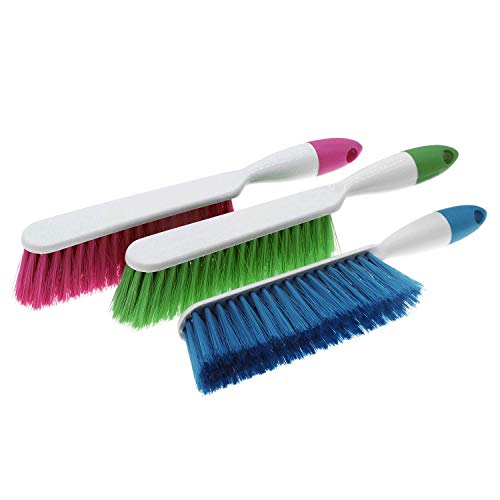
- Soft bristle dusting brush for lampshade


Before You Start
Unplug the lamp and remove the shade from the base if possible. Work in a well-lit area and test any cleaner on a hidden seam to check for colorfastness. Avoid soaking fabrics that are not water-safe, as this can distort shape or cause dye bleed. Consider vertical cleaning to minimize liquid exposure to the shade’s lower edge, and allow adequate drying time before reattaching the shade.
Step-By-Step: How To Clean A Yellowed Lampshade
- Place the shade on a clean surface or use a lampshade stand to prevent bending. Lightly brush away loose dust with the soft bristle dusting brush for lampshade.
- Inspect for stains. For general dirt, mix a small amount of delicate fabric lampshade cleaning spray 8oz in a spray bottle and lightly mist the surface from top to bottom.
- Gently wipe with a microfiber cloth for lampshade cleaning, moving in a circular pattern to lift oils and dirt without saturating the fabric.
- For stubborn spots, apply a light mist of lampshade stain remover for fabric – spray bottle directly to the stain. Let it sit for a minute before blotting with a clean microfiber cloth.
- Use the fabric lampshade cleaner brush nylon bristles to lift grime from the fabric’s textured weave. Avoid applying heavy pressure that could distort the shade.
- Rinse or blot as needed with a barely damp cloth. Ensure no excess moisture remains, especially on light-colored fabrics.
- Allow the shade to air-dry completely in a well-ventilated area away from direct heat. If possible, prop the shade so air can circulate around all surfaces.
- Reattach the shade to the lamp once fully dry. Wipe any remaining surface dust to finish.
- For persistent yellowing, repeat the process using a delicate fabric lampshade cleaning spray 8oz and a fresh microfiber cloth for lampshade cleaning.
- If color transfer occurs or dye bleeding is observed, discontinue and seek a professional cleaning solution tailored to your shade’s fabric type.
- Store or display the shade away from direct sunlight to slow future yellowing and maintain brightness.
Troubleshooting
| Symptom | Likely Cause | Fix | Prevention |
|---|---|---|---|
| Shade remains yellow after cleaning | Stubborn oils or dye bleed | Repeat with targeted stain remover | Clean promptly and avoid prolonged sun exposure |
| Fabric bleeds color onto white areas | Over-wetting or harsh cleaners | Rinse lightly and blot; use fabric-specific products | Test cleaners on hidden area first |
| Texture appears distorted | Excess moisture or aggressive brushing | Let it dry completely, then lightly brush to restore loft | Use light pressure and proper brushes |
| Streaks or water lines | Uneven moisture | Evenly mist and blot across entire surface | Work in small sections |
Common Mistakes
- Over-wetting delicate fabrics, which can cause dyes to run or warp the shade.
- Using harsh chemical cleaners not labeled for fabric lampshades.
- Skipping a drying period, which can trap moisture and invite mildew.
- Brushing too aggressively, risking fiber damage or shrinking the shade’s shape.
Tips For Best Results
- Test cleaners on a hidden seam before full application to check colorfastness.
- Use a microfiber cloth for lampshade cleaning to lift dirt without leaving lint.
- Work in vertical strokes to minimize liquid pooling at the shade’s bottom edge.
- Raise the lamp to a comfortable height to avoid bending the shade during cleaning.
- Consider regular light dusting with a soft bristle dusting brush for lampshade to slow yellowing buildup.
Call A Professional
Seek professional help if the shade is fragile, hand-stitched, or made from delicate materials like silk or satin. Stop cleaning if dye transfer occurs or if stitching loosens. A pro can advise on fabric-safe restorations or recommend replacement options that preserve the lamp’s overall look.
FAQ
Can I clean a yellowed lampshade with soap and water?
Yes, but use a mild soap and minimal water. Rinse lightly and allow thorough drying to prevent warping.
Will cleaning restore brightness on all fabric shades?
Most cotton, linen, and polyester blends respond well; some natural fabrics may require special care or professional cleaning.
How often should I clean a fabric lampshade?
Light dusting weekly and a deeper clean every 3–6 months helps prevent buildup and yellowing.
Is heat from the bulb a concern during cleaning?
A cool, unplugged lamp is essential. Do not clean while the bulb is hot or lit.
Can I machine-wash a fabric lampshade?
Only if the shade is labeled as machine-washable. Otherwise, hand cleaning with gentle products is recommended.
What if the shade is vintage or hand-made?
Vintage or hand-made shades may require specialized care; consult a restoration expert before attempting cleaning.
Buying Guide
When selecting products to maintain a yellowed fabric lampshade, consider size, fabric type, and cleaning frequency. Size matters for reach and coverage; choose a cleaner brush and spray that fit the shade’s weave. Noise level isn’t a critical factor for handheld tools, but look for quiet operation if you clean while the room is in use.
For energy efficiency and placement, a brighter bulb can reveal more yellowing, so pairing a clean shade with a cool light can yield a refreshed look. Control options like simple on/off switches are sufficient, but a dimmable option helps tailor brightness after cleaning. Place the shade away from direct sunlight to slow future yellowing and protect color.
In practice, a minimal kit built around the provided keywords offers coverage for most fabrics: a soft bristle brush, gentle spray, spray bottle stain remover, and a microfiber cloth. Compare shades by fabric type (cotton, linen, polyester), finish (matte, slightly textured), and compatibility with cleaning products. If unsure about fabric compatibility, start with a small, inconspicuous area and proceed cautiously.