Head oils can transfer to upholstery through contact with hair and scalp oils, cosmetics, or skin oils. Over time, these residues can leave sticky spots or darkened areas on fabric. This guide provides practical, step-by-step methods using common household tools and the specified cleaning attachments to restore fabric color and texture without damaging the upholstery.
Protecting your furniture from permanent stains starts with quick action and choosing the right tools. The steps below emphasize safe cleaning techniques, spot testing, and using attachments designed for upholstery to achieve the best results.
Quick Answer
For fresh head oil stains, blot gently with a dry cloth, then use a portable upholstery steam cleaner with attachments or a handheld fabric steamer for upholstery to loosen oils, followed by a upholstery cleaning brush attachment for vacuum cleaner to lift residue. Finish with microfiber cleaning cloths for upholstery to blot and dry. Always spot test first.
What You’ll Need
- Handheld fabric steamer for upholstery
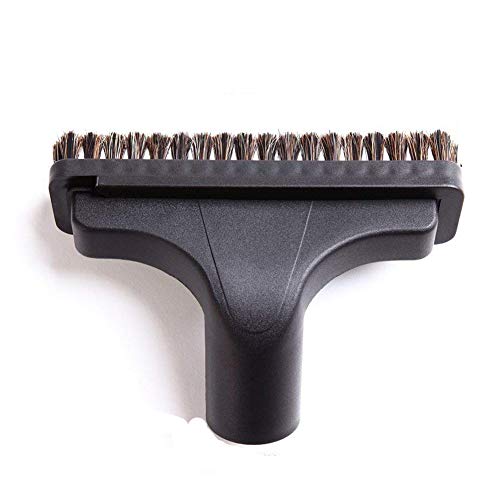
- Upholstery cleaning brush attachment for vacuum cleaner
- Portable upholstery steam cleaner with attachments
- Carpet and upholstery cleaner spray bottle
- Microfiber cleaning cloths for upholstery


Before You Start
Prepare the area by moving furniture and laying a clean cloth or sheet to catch drips. Test any cleaner on a hidden area to ensure there is no color change or fabric damage. Allow adequate drying time after each step to prevent mold or mildew. Avoid saturating fabrics with water or cleaner, especially on delicate materials. For heavily soiled or delicate upholstery, consider professional cleaning to protect fabric integrity.
Time estimate: 30–60 minutes for a typical chair or couch section, plus drying time. If treating multiple cushions, plan for longer sessions and ensure ventilation.
Step-By-Step: How To Clean Head Oil From Upholstery
- Blot the stain with a clean, dry microfiber cloth to remove excess oil without pushing it deeper into the fabric.
- Prepare a mild cleaning solution in the carpet and upholstery cleaner spray bottle. Mix a small amount of mild detergent with warm water or follow manufacturer recommendations for fabric-safe cleaners.
- Spot test on an inconspicuous area of the upholstery. Wait 5–10 minutes to check for colorfastness or fabric reaction.
- Apply the cleaner lightly to the stain, using a spray bottle or the upholstery steam cleaner’s solution attachment. Avoid soaking the fabric.
- Gently agitate with the upholstery cleaning brush attachment for vacuum cleaner to work the cleaner into the fibers in a circular motion.
- Extract and lift using the vacuum attachment or steam cleaner’s suction mode. Repeat as needed until the oil lifts and the fabric begins to look cleaner.
- Rinse lightly with a damp microfiber cloth to remove detergent residue. Blot, then repeat until the cloth comes away mostly clean.
- Dry thoroughly by laying a dry cloth on the area and allowing it to air-dry, or use a fan to speed up drying. Avoid sitting on the cleaned area until fully dry.
Troubleshooting
| Symptom | Likely Cause | Fix | Prevention |
|---|---|---|---|
| Stain remains after cleaning | Oil deeply penetrated fibers | Repeat cleaning steps with a fresh cleaner and brush; consider a steam cleaner session | Address spills promptly; use stain repellents if appropriate |
| Fabric feels stiff after cleaning | Detergent residue | Wipe with a damp cloth and blot dry; allow extra drying time | Use minimal cleaner and thorough rinsing |
| Color transfer or fading | Harsh cleaner or solvent | Stop cleaning immediately and test on hidden area; switch to milder solution | Always test first |
| Lingering odor | Oil scent or moisture retained | Ensure complete drying; use a fabric-safe deodorizer if needed | Ventilate during and after cleaning |
Common Mistakes
-
Over-wetting the fabric, which drives oil deeper into the fibers.
-
Using harsh cleaners or solvents that can damage fibers or dyes.
-
Rubbing aggressively, which can fray or distort upholstery.
-
Not performing a test patch before full cleaning.
-
Skipping thorough drying, which risks odors or mold growth.
Tips For Best Results
-
Work from the outside edge of the stain toward the center to prevent spreading.
-
Use light, even strokes with the upholstery brush attachment to avoid fiber damage.
-
Keep the vacuum or steam cleaner at a moderate distance to control moisture.
-
Pair cleaning with regular upholstery maintenance, such as routine vacuuming with a specialized attachment.
-
For persistent stains, consider a professional cleaning service to protect delicate fabrics.
Call A Professional
Contact a professional if stains persist after multiple cleaning attempts, the fabric is delicate or antique, or there is a risk of water damage. Signs that require expert help include color bleeding, fabric thinning, or persistent odors despite thorough drying. When in doubt, a pro can assess fabric type and recommend safe, effective solutions.
FAQ
Can I use regular household cleaners for head oil on upholstery?
It is best to use fabric-safe cleaners and test first. Some household cleaners can discolor or damage fabrics.
Should I steam clean fabric after applying detergent?
Steam can help lift oils but avoid over-saturation. Follow with thorough extraction and drying.
How long does it take for upholstery to dry after cleaning?
Drying varies by fabric and environment but typically ranges from 2 to 24 hours. Ensure good airflow.
Is it safe to use a vacuum attachment on all upholstery?
Most fabric upholstery accepts a gentle vacuum brush attachment, but check manufacturer guidelines for delicate materials.
What if the stain reappears after cleaning?
Repeat the cleaning steps, or consider a professional cleaning if the stain returns persistently.
Can I remove head oil from leather upholstery?
Leather requires specific care products; use leather-safe cleaners and consult leather care guides or a pro.
Do odor-removing products damage fabric?
Use products labeled for upholstery and avoid strong solvents that may harm fibers or dyes.
Buying Guide
Choosing cleaning tools for head oil on upholstery involves several factors. First, consider the fabric type and stain severity to determine whether a portable upholstery steam cleaner with attachments or a handheld fabric steamer for upholstery is best. Look for adjustable steam settings and gentle brushes to prevent fiber damage. Noise level matters for homes with pets or small children, so review decibel ratings where available. Energy efficiency is a practical concern with frequent use, so select tools that run efficiently and offer durable build quality. Placement considerations include ease of use on couches, chairs, and stairs, as well as compatibility with existing vacuum systems. Finally, evaluate maintenance needs, replacement parts, and availability of attachments to ensure the setup remains effective over time. By comparing models that emphasize safe fabric care, you can keep upholstery looking clean and fresh without risking damage.