Pen ink stains can be frustrating, but with the right approach and products, most fabrics can be saved. This guide covers practical methods, including when to use stain removers and how to pre-treat shirts, pants, and delicate fabrics effectively.
Quick Answer
Act quickly to prevent ink from setting. Blot—don’t rub—excess ink, apply a suitable stain remover pen or prewash liquid, and launder as instructed on the fabric care label. For tough marks, repeat treatment and consider a microfiber cloth to dab residue before washing.
What You’ll Need
- stain remover pen ink clothes
- ink stain remover pen for fabrics
- magic eraser for ink stains
- microfiber cleaning cloth for ink stains
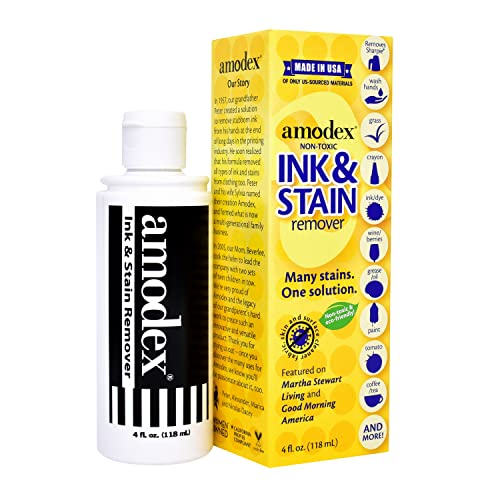
- prewash stain remover liquid for pen ink


Before You Start
Check fabric type and care label before treating stains. Test any product on a hidden area to avoid discoloration. For white or colorfast fabrics, you can use a stronger prewash liquid; for delicate fabrics, opt for gentler methods. Time estimates: immediate blotting takes 1–2 minutes; treatment and washing can take 20–60 minutes, plus drying time. Important cautions: do not machine dry until the stain is fully removed, and avoid rubbing as that can spread ink.
Step-By-Step: How To Remove Pen Ink Stains Effectively
- Place the garment on a clean surface with the stain facing up to catch any runoff.
- Gently blot the excess ink with a clean cloth or paper towel; avoid rubbing.
- Apply a stain remover pen for fabrics directly to the ink area, covering it completely.
- Work the product into the fabric following the label instructions, using a light dabbing motion.
- For persistent stains, apply a thin coat of prewash stain remover liquid for pen ink and let sit for 5–10 minutes.
- Rinse under cold water from the backside to push ink out of the fabric fibers.
- Launder the garment as directed on the care tag using the hottest water permitted for the fabric.
- Check the stain before drying. If any ink remains, repeat treatment once more.
- Air dry or tumble dry on low heat if the stain is gone; high heat can set residual ink.
- For hard-to-clean items, a microfiber cleaning cloth can be dampened and dabbed to lift remaining ink after washing.
- If the stain persists after two attempts, consider professional dry cleaning especially for delicate fabrics.
Troubleshooting
| Symptom | Likely Cause | Fix | Prevention |
|---|---|---|---|
| Ink reappears after washing | Ink bonded to fibers | Repeat treatment with stain remover pen for fabrics | Treat promptly; avoid heat before removal |
| Fabric color fading | Aggressive chemicals | Switch to milder prewash liquid; test first | Always test on inconspicuous area |
| Stain lighter but visible | Partial removal | Multiple gentle treatments, or microfiber dab | Limit aggressive scrubbing |
| Delicate fabrics shrinking | Excess heat or harsh solvents | Use cold water and mild solvents | Prioritize care-label guidance |
Common Mistakes To Avoid
- Rubbing ink into the fabric instead of blotting
- Using hot water on fresh ink stains
- Skipping a hand-test on delicate fabrics
- Relying on a single treatment; some ink requires multiple passes
Careful, repeated treatment often yields the best results. Keep methods gentle and follow product instructions for best outcomes.
Tips For Best Results
- Act quickly: the sooner you treat, the higher the chance of complete removal.
- Work from the outside of the stain toward the center to prevent spreading.
- Use cold water whenever possible to slow ink set, especially on fresh stains.
- Choose fabric-appropriate products: heavy fabrics may tolerate stronger cleaners, while delicates require gentler options.
- For persistent ink on white fabrics, a second treatment with a dedicated stain remover can be effective.
- After successful removal, avoid heat until you confirm complete stain elimination.
Call A Professional
Consider professional cleaning if:
- The fabric is delicate (silk, wool, leather) and you are unsure about cleaners
- The stain remains after multiple home treatments
- The item is valuable or has sentimental value
FAQ
Can I use a magic eraser on fabric ink stains?
Yes, a damp magic eraser can help lift light ink on some fabrics, but test first on a hidden area to avoid color loss.
Is prewash stain remover liquid safe on all fabrics?
Not always; read the label and test on an inconspicuous area, especially on delicate or colored fabrics.
How many times can I treat a stain?
Start with one treatment and reassess. Some ink stains require 2–3 gentle treatments for complete removal.
Should I use hot water after applying stain remover?
No. Hot water can set ink; use cold or warm water as advised by the fabric care label.
Can microfiber cloths help after washing?
Yes, microfiber cloths can help dab and lift residual ink when used damp, without rubbing the fabric.
What if the stain returns after drying?
Repeat treatment with a stain remover pen or liquid and rewash before re-drying; avoid heat until fully clear.
Buying Guide
Choosing the right products for pen ink removal involves several factors. Consider the fabric type and the stain’s severity. Key buying factors include:
- Size and format: Pens are convenient for spot treatment; liquids work well for larger areas.
- Effectiveness on fabrics: Look for inks and fabrics compatibility (cotton, polyester, blends).
- Stain removal power: Some products are designed specifically for pen ink; others are all-purpose.
- Ease of use: Clear instructions and quick action improve results, especially for busy households.
- Safety and fabric care: Check for color-safe formulas and test recommendations to protect fabrics.
- Maintenance approach: A combination of a stain remover pen, a prewash liquid, and a microfiber cloth covers most scenarios.
For best results, pair a pen-style remover for on-the-go treatment with a prewash liquid for tougher spots. Consider storage away from heat and direct sunlight to maintain product effectiveness. If you frequently wrestle with ink stains, a small kit containing the listed items can be a practical solution for quick responses.