Keeping the Hydro Flask wide mouth lid clean helps prevent lingering odors and ensures a proper seal. This guide provides practical, step-by-step instructions and tool recommendations to tackle stubborn buildup, mold, and grime without damaging the lid or bottle.
Quick Answer
Brush the lid thoroughly with a long-handled or silicone grip brush, rinse, and air-dry to prevent water spots. For tough residue, use a stiff bristle brush and a small amount of dish soap. If the lid is dishwasher-safe, place it on the top rack away from heat to avoid warping.
What You’ll Need
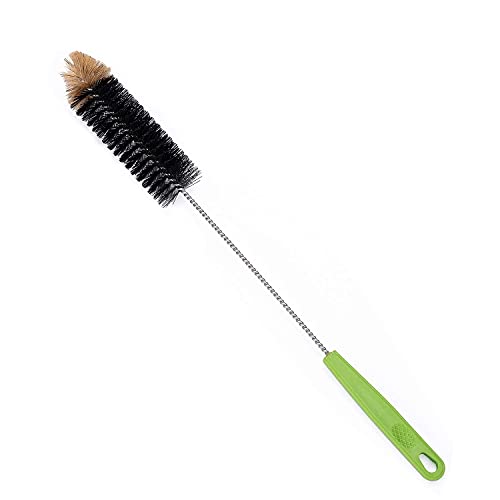
- Hydro Flask wide mouth lid cleaning brush
- Long-handled bottle brush for wide mouth lids
- Stiff bristle bottle scrub brush for wide mouth jars
- Silicone grip bottle cleaning brush wide mouth
- Dishwasher-safe wide mouth bottle cleaning brush for lids


Before You Start
Ensure the bottle is empty and cool before cleaning. Disassemble the lid if possible to reach nooks and threads. Soak the lid in warm, soapy water for a few minutes to loosen residue. Rinse and inspect for signs of wear or damage. Avoid harsh chemicals and abrasive scrubbers, which can scratch or degrade gasket material. Cleaning time typically takes 5–10 minutes per session.
Step-By-Step: How To Clean The Hydro Flask Wide Mouth Lid
- Detach the lid from the bottle and rinse under warm water to remove loose grime.
- Use the Hydro Flask wide mouth lid cleaning brush to scrub around the threads and the sealing area.
- Dip the brush in warm, soapy water and gently scrub the inner lid cavity where odors often hide.
- For hard-to-reach areas, switch to the long-handled bottle brush for wide mouth lids and reach inside the lid.
- Rinse the lid thoroughly under running water, ensuring all soap is washed away.
- Inspect the silicone gasket; wipe it clean with a soft cloth or brush, removing any residue.
- If residue persists, prepare a brief soak in a solution of warm water and a small amount of mild dish soap, then rinse again.
- Dry the lid completely with a clean towel or air-dry on a rack to prevent moisture buildup.
- Reassemble and reattach the lid to the bottle once completely dry.
- Occasionally, sanitize by soaking in a diluted vinegar solution (1:4 vinegar to water) for a few minutes, then rinse well.
- Regular cleaning after daily use helps maintain freshness and seal integrity.
Troubleshooting
| Symptom | Likely Cause | Fix | Prevention |
|---|---|---|---|
| Gasket smells after cleaning | Residual biofilm | Remove gasket if possible and scrub with brush; rinse thoroughly | Clean after each use; dry completely |
| Sticky lid or threads | Soap residue or mineral buildup | Soak in warm water with a dash of vinegar, then scrub | Rinse immediately after use; avoid leaving liquid overnight |
| Discoloration on lid | Staining from beverages | Use baking soda paste on the stained area, rinse | Rinse promptly after exposure to coloring drinks |
| Cracked gasket or warped lid | Heat exposure or overtightening | Replace damaged parts; do not overtighten | Hand wash and avoid dishwashers if not rated safe |
Common Mistakes
- Using abrasive scrubs that scratch the lid’s surface and gasket.
- Leaving the lid to soak too long in harsh cleaners, which can degrade materials.
- Relying solely on the bottle brush without addressing hard-to-reach areas.
- Skipping thorough drying, which encourages mold growth.
Tips For Best Results
- Clean the lid after metallic, fruity, or strongly colored beverages to prevent staining and odor transfer.
- Rotate between brushing angles to access threads, gasket channels, and the interior cavity.
- Store the lid disassembled or loosely assembled to promote complete drying and airflow.
- Keep a dedicated brush for lids to avoid cross-contaminating kitchen tools.
Call A Professional
Seek professional help if the lid shows persistent odor that evaporates after cleaning but returns quickly, or if there are visible cracks, warped threads, or a degraded gasket. Do not use the bottle if the seal is compromised, as improper sealing can lead to leaks or contamination.
FAQ
How often should I clean the Hydro Flask wide mouth lid?
Clean after each day of use, with a deeper clean monthly or as needed if odors or residue persist.
Can I put the lid in the dishwasher?
Only if the manufacturer confirms dishwasher safety; otherwise, wash by hand on the top rack and avoid high heat.
What tools are best for cleaning the lid?
A long-handled bottle brush and a silicone grip brush are effective for internal access and delicate surfaces.
How do I prevent odors from forming?
Rinse and dry thoroughly after each use, and perform a quick warm-soapy rinse if the lid has held beverages with strong aromas.
Is it safe to use vinegar for sanitizing?
Yes, a diluted vinegar soak is safe for most lids, followed by a thorough rinse to remove any taste or residue.
What if the gasket is damaged?
Replace the gasket promptly to maintain a proper seal and prevent leaks.
Buying Guide
When selecting cleaning tools for the Hydro Flask wide mouth lid, consider size, material, and compatibility with the lid’s design. A dedicated lid cleaning brush is handy for tight threads, while a long-handled reach helps reach interior corners. Look for BPA-free, dishwasher-safe options if you prefer machine cleaning, but confirm the lid’s heat tolerance. A silicone grip brush can reduce hand fatigue, especially during frequent cleanings. Additionally, choose tools with soft bristles that won’t scratch gasket material. For best results, pair a lid-specific brush with a universal bottle brush for a full cleaning toolkit.