Maintaining a large fish tank involves regular cleaning routines to keep water quality stable and the tank inviting for aquatic life. This guide outlines practical steps, tools, and safety tips to clean and maintain a sizable aquarium effectively.
Quick Answer
For a large tank, target a 10–20% water change weekly, use a large aquarium gravel vacuum siphon to remove debris, and scrub algae with a magnetic algae cleaner designed for large glass. Clean the filter and replace any media as needed, and avoid cleaning everything at once to preserve beneficial bacteria.
What You’ll Need
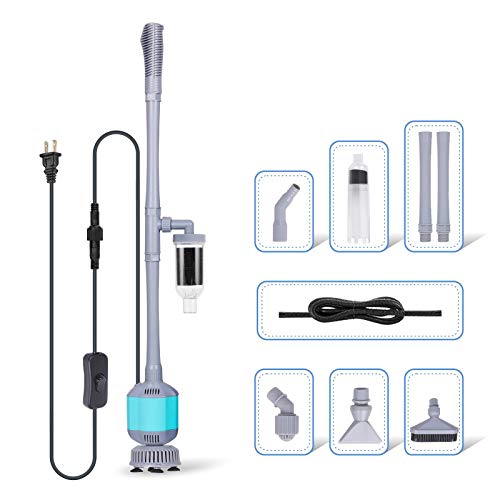
- Large aquarium gravel vacuum siphon
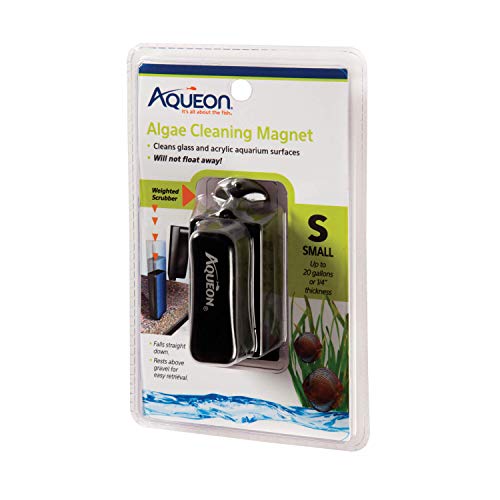
- Magnetic algae cleaner for large glass aquarium
- Aquarium glass scraper tool kit with scraper blade
- Aquarium water change siphon pump set
- Aquarium filter cleaning brush set

Before You Start
Prepare a clean container for the water you remove, and have a water testing kit ready to monitor ammonia, nitrite, nitrate, and pH. Turn off electrical equipment before cleaning to avoid shocks, and ensure the room is temperature-controlled to prevent fish stress. Estimate 1–2 hours for a thorough cleaning of a large tank, including water changes and equipment inspection.
Step-By-Step: How To Clean A Large Fish Tank
- Shut off and unplug all electrical devices connected to the tank. Remove any decorative items if needed.
- Use the large aquarium gravel vacuum siphon to start siphoning water while simultaneously cleaning the substrate to remove detritus.
- Clean the gravel thoroughly by moving the siphon through the substrate in a slow, steady motion to lift debris without disturbing beneficial bacteria.
- Wipe algae from the glass using a magnetic algae cleaner for large glass aquarium, working from top to bottom with gentle, even strokes.
- Scrape stubborn algae with the aquarium glass scraper tool kit and replace blades if necessary, being careful not to scratch the glass.
- Remove 10–20% of the tank water using the siphon set, then refill with treated, tank-temperature water to maintain stable conditions.
- Inspect and rinse the filter components using the aquarium filter cleaning brush set. Do not wash bio-media with tap water; use tank water to preserve beneficial bacteria.
- Test water parameters with a kit and adjust as needed. If nitrate levels are high, consider increasing flow or performing more frequent partial water changes.
Troubleshooting
| Symptom | Likely Cause | Fix | Prevention |
|---|---|---|---|
| Cloudy water | Uneaten food or decaying debris | Increase mechanical filtration and perform a partial water change | Feed less, vacuum substrate weekly |
| Excess algae growth | Too much light or nutrients | Reduce photoperiod and remove algae manually | Monitor light exposure and test nutrients |
| Filter struggling | Clogged media | Clean or replace filter media as needed | Schedule regular filter maintenance |
| Fish stress after cleaning | Water parameter swings | Match water temperature and chemistry, gradual changes | Test water before and after cleaning |
Common Mistakes
- Cleaning everything at once, which can crash beneficial bacteria populations
- Overusing faucet water to rinse media, which can introduce chlorine
- Neglecting substrate cleaning, leading to detritus buildup
- Using metal tools directly in contact with glass, risking scratches
To avoid these mistakes, perform partial cleanings, use dechlorinated water, and stick to a regular maintenance schedule.
Tips For Best Results
- Schedule weekly maintenance on a consistent day to build a routine.
- Keep a small backup kit of replacement blades and brushes for quick scrapes and cleanings.
- Use the siphon to both remove debris and clean the substrate to maximize efficiency.
- Record water parameter readings to track trends and plan changes proactively.
Call A Professional
Contact a professional if any of the following occur: persistent cloudy water after maintenance, persistent fish illness, or unusual odors returning after cleaning. Also seek help if you notice a significant equipment failure that requires specialized repair or replacement.
FAQ
How often should I perform a water change on a large tank?
Typically 10–20% weekly, with more frequent changes if the tank shows elevated nitrate or other imbalances.
Can I use tap water for changes?
Use aged, treated tap water or a dechlorinator to remove chlorine and chloramines before adding it to the tank.
What tools help with substrate cleaning?
A large aquarium gravel vacuum siphon is essential for removing debris from the substrate without disturbing beneficial bacteria.
How do I prevent algae buildup?
Control light exposure, avoid overfeeding, and maintain consistent filtration and water parameters.
Buying Guide
When selecting cleaning gear for a large fish tank, consider several buying factors to match your tank size and maintenance style.
- Size and design: Choose a large aquarium gravel vacuum siphon with a sturdy handle and wide nozzle for quick substrate cleaning in big tanks.
- Algae control: A magnetic algae cleaner for large glass aquarium should offer strong magnetic grip and soft pads to protect glass surfaces.
- Glass care: An aquarium glass scraper tool kit with scraper blade helps remove stubborn algae without scratching.
- Water changes: An aquarium water change siphon pump set simplifies larger-volume changes and keeps water flow steady.
- Filter maintenance: An aquarium filter cleaning brush set supports safe, thorough cleaning of filter housings and media.
Consider your tank dimensions, filtration type, and how frequently you perform water changes. Do you prefer a compact cleaning routine or an all-in-one kit for big-tank maintenance? Evaluate noise, ease of use, and storage space to select tools that fit your setup and prevent routine disruptions.