Cleaning burnt cookware is a common kitchen challenge. This guide explains a practical method using household cola for stubborn grime, paired with safe tools to protect surfaces. It covers what to use, step-by-step procedures, and when to seek professional help.
Quick Answer
Pour enough coke into the burnt pan to cover the residue, simmer for 15–30 minutes, then scrub with the appropriate non-scratch or stiff scrubber until the burn marks lift. If needed, repeat and finish with a light rinse and soap wash.
What You’ll Need
- Cola (regular, not zero-sugar varieties perform similarly)
- Stainless steel pot scrubber 8 inch heavy duty
- Copper scrubber for burnt pots
- Pot screw brush with long handle nylon bristles
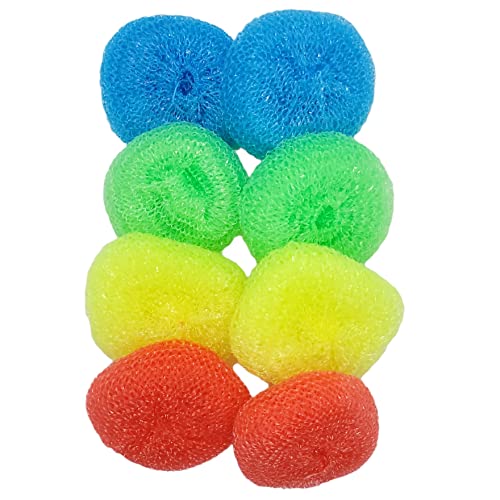
- Non-scratch nylon scouring pad for nonstick pans
- Scraper spatula for cleaning burnt pots


Before You Start
Identify the pan material before choosing tools to avoid scratching. For stubborn burnt-on residues, always start with a gentle approach and avoid high-abrasion pads on nonstick surfaces. Wear gloves if hands are sensitive to hot liquid, and work in a well-ventilated area. Time estimates: 20–40 minutes for the initial soak and scrub; up to an hour for extra passes.
Step-By-Step: How To Clean A Burnt Pan With Coke
- Pour cola into the pan until the bottom is covered by the liquid.
- Set the pan on the stove and bring the cola to a gentle simmer for 15–30 minutes.
- Turn off the heat and let the liquid cool slightly; the fizz helps loosen charred deposits.
- Use a stainless steel pot scrubber 8 inch heavy duty to scrub the outer burnt areas and the interior edges.
- If burn marks persist, switch to a copper scrubber for burnt pots and gently work in circular motions.
- For nonstick or delicate coatings, use a non-scratch nylon scouring pad to avoid scratching.
- Apply a scraper spatula for burnt pots to lift stubborn bits without gouging the pan.
- Rinse with warm water, re-check for remaining residue, and repeat steps 1–3 if needed.
- Wash with mild dish soap and water, then dry thoroughly to prevent water spots.
- Inspect the pan for scratches or dull spots and repeat cleaning only if necessary.
- If the pan is severely scorched, consider repeating the process or moving to a specialized cleaner designed for that material.
- Store the pan dry and ready for future cooking sessions.
Troubleshooting
| Symptom | Likely Cause | Fix | Prevention |
|---|---|---|---|
| Residue remains after first pass | Deeply baked-on residue | Repeat simmer and scrub with appropriate tool | Prevention: soak pan after meals with acidic liquids |
| Scratches appear on nonstick | Using metal scrubbers on nonstick | Switch to non-scratch nylon pad or gentle brush | Use correct tools for surface type |
| Discoloration or dull finish | Overheating or aggressive scrubbing | Alternate between gentle scrubbing and soaking | Moderate heat and gentle motions |
| Persistent odor | Residual burnt material | Rewash with baking soda solution after cleaning | Rinse thoroughly and air-dry |
Common Mistakes
- Using abrasive steel wool on nonstick pans, causing coating damage.
- Overheating the pan during soaking, which can worsen discoloration.
- Relying solely on water without a cleaning agent, reducing effectiveness.
- Skipping a thorough rinse, leaving residues that can affect taste.
Tips For Best Results
- Choose the right pad: use a heavy-duty stainless steel scrubber for cast iron or stainless pans, but switch to a non-scratch nylon pad for nonstick surfaces.
- Gentle patience often beats aggressive scrubbing; multiple light passes can reduce surface wear.
- For stubborn stains, let the coke soak longer or combine with a mild dish soap after soaking.
- Always air-dry pans completely to prevent water spots and corrosion.
Call A Professional
Call a professional if the pan has severe warping, deep pitting, or the coating shows signs of peeling. If the cookware is expensive or has sentimental value, professional refinishing or replacement advice may be worthwhile.
FAQ
Can coke really clean burnt pans?
Yes, the acidity and carbonation help loosen burnt-on residue when heated gently.
Is this method safe for nonstick coatings?
Yes, but avoid metal scrubbers; use non-scratch nylon pads or soft sponges.
How long should I soak with coke?
15–30 minutes of simmering usually provides effective loosening without damaging the pan.
What other liquids work similarly to coke?
Acidic liquids like vinegar or lemon juice can also help loosen burnt bits, though results vary by residue.
Buying Guide
When choosing cookware cleaning aids, consider material compatibility, ease of use, and durability. This guide focuses on practical tools that pair well with the coke cleaning method while protecting pan surfaces.
- Size and shape: A long-handled scraper or brush provides reach without burning hands. An 8-inch scrubber is a versatile size for most pots.
- Material compatibility: Use non-scratch nylon pads for nonstick pans and copper scrubbers for tough, burnt-on deposits on metal surfaces, avoiding scratches on delicate coatings.
- Durability: Heavy-duty stainless steel scrubbers withstand repeated use, but avoid metal on nonstick coatings to prevent damage.
- Ergonomics: Long-handle tools reduce strain during scrubbing; look for comfortable grips and balanced weight.
- Cleaning ease: Tools that rinse clean and dry quickly reduce residue transfer and odor buildup.
- Storage: Compact tools stack or hang neatly; consider a cleaning kit that consolidates common items.
As you compare products, consider how often you cook with burnt bits and the surfaces you own. Do you predominantly face metal pans or nonstick coatings? The answers guide the best combination of scrubbers, brushes, and scrapers for a reliable, everyday cleaning routine.