Vinyl couches offer easy maintenance and a stylish look, but they still require proper cleaning to keep them looking fresh. This guide walks American readers through practical methods to remove stains, control odors, and protect vinyl surfaces from wear. The steps use common household tools and a dedicated vinyl cleaning kit to ensure safe, effective results.
Quick Answer
For everyday cleaning, wipe with a damp microfiber cloth, apply a vinyl upholstery cleaner spray, then blot dry. For stains, use a vinyl sofa stain remover liquid and a soft bristle upholstery brush to lift grime. Finish with a clean cloth and a light protection spray to prevent future buildup.
What You’ll Need
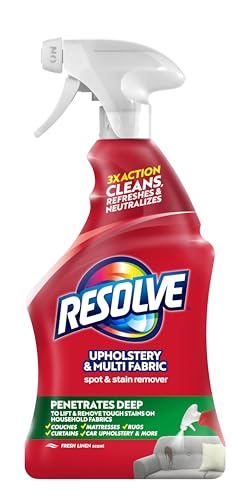
- vinyl upholstery cleaner spray 16oz
- vinyl sofa stain remover liquid
- microfiber cleaning cloth for vinyl upholstery
- soft bristle upholstery brush for vinyl couch
- vinyl couch cleaning kit with spray bottle


Before You Start
Inspect the vinyl for tears or seams that are lifting. Perform a patch test in an inconspicuous area for any cleaner to avoid discoloration. Clear the area of clutter and protect nearby flooring with a drop cloth. Time estimation: 20–45 minutes for routine cleaning; 60–90 minutes for heavy soiling. Crucial cautions include avoiding abrasive pads, high-heat sources, and strong solvents that can crack or fade vinyl.
Step-By-Step: How To Clean Vinyl Couch
- Remove loose debris from the surface with a dry microfiber cloth.
- Spray a light mist of vinyl upholstery cleaner spray onto a small area or onto the microfiber cloth.
- Wipe the surface in a gentle, circular motion to lift dirt without scrubbing harshly.
- For stains, apply a small amount of vinyl sofa stain remover liquid directly to the spot and let it sit for 2–5 minutes.
- Use the soft bristle upholstery brush for vinyl couch to lightly agitate stained areas, then wipe away with a clean microfiber cloth.
- Rinse the cloth and wipe the entire couch to remove cleaner residue, keeping the surface slightly damp rather than soaking wet.
- Pat dry with a fresh microfiber cloth and allow air to dry completely before use.
- Optionally, apply a vinyl protection spray or conditioner to help repel future stains and maintain suppleness.
Troubleshooting
| Symptom | Likely Cause | Fix | Prevention |
|---|---|---|---|
| Unreadable color or dull spots | Over-wetting or harsh cleaners | Switch to lighter cleaner and reduce moisture | Use recommended products and avoid soaking |
| Sticky feeling after cleaning | Residue from cleaner | Wipe with a clean damp cloth, then dry | Rinse twice with minimal solution |
| Persistent stains | Deep-set grime | Reapply stain remover and brush gently | Address spills promptly |
| Fading color | Sun exposure | Move furniture away from direct sun or use UV-protective covers | Shade windows or install UV-blocking films |
Common Mistakes
- Using abrasive brushes that scratch vinyl
- Over-wetting the surface, leading to mildew or warping
- Rubbing vigorously on stains, which spreads them
- Skipping a patch test before full cleaning
Tips For Best Results
- Always perform a patch test in a hidden area first.
- Work in small sections to prevent moisture buildup.
- Use a soft-bristle brush to avoid scuff marks, especially on textured vinyl.
- Follow with a protective spray designed for vinyl to extend cleanliness and durability.
Call A Professional
Consider professional help if the vinyl shows deep cracking, extensive peeling, or stains that resist at-home cleaners. Seek a technician promptly if there are large torn areas, mold growth, or persistent odor that won’t dissipate after cleaning and ventilation.
FAQ
Can I use household soap to clean vinyl furniture?
Plain mild soap with water is acceptable for light cleaning, but specialized vinyl cleaners offer better safety and stain efficacy.
Is it safe to use a hair dryer to speed up drying?
Do not use high heat; air drying or a fan is safer to prevent warping or degradation.
How often should I clean a vinyl couch?
Light cleaning monthly and spot-treat stains as soon as they appear is a practical routine.
Will protectants leave the couch sticky?
Choose a water-based, non-sticky protectant and apply as directed to avoid residue.
Buying Guide
When selecting vinyl cleaning products and accessories, consider size, performance, and compatibility with your furniture’s finish. A complete vinyl couch cleaning kit with spray bottle can simplify routine maintenance and ensure you have consistent application tools. Look for products labeled safe for automotive-grade vinyl and household furniture to match the durability expected in a typical American living room.
Key Buying Factors
- Size and coverage: A 16oz spray bottle typically covers multiple cleanings for an average sofa.
- Noise level (when using accessoriesSonic or spray mechanisms): Choose low-noise bottles and brushes to avoid disruption.
- Energy efficiency and environmental impact: Opt for water-based cleaners with low volatile organic compounds (VOCs).
- Controls and ease of use: Clear spray nozzles and soft brushes help manage application and prevent streaks.
- Placement considerations: Ensure the product is safe for use away from sunlight exposure to prevent fading.