Maintaining canine dental health is essential for a dog’s overall well-being. When brushing isn’t practical or preferred, there are effective alternatives that help reduce plaque and freshen breath. This guide outlines safe, practical methods to clean a dog’s teeth without daily brushing, using proven products and routines available to American pet owners.
Quick Answer
Yes, you can improve your dog’s dental health without brushing by using a combination of specialized tools and products. Start with an enzymatic spray or water additive to limit bacteria, add dental chews to mechanically clean teeth, and consider an ultrasonic scaler for targeted at‑home cleaning under veterinary guidance. Regular use of wipes can also reduce surface plaque between deeper cleanings.
What You’ll Need
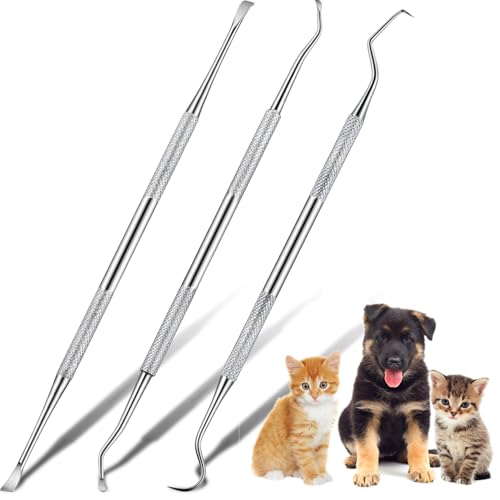
- Dog dental scaler ultrasonic at home for occasional professional-grade cleaning at home (gentle, non-invasive)
- Pet water additive for dogs teeth to reduce plaque and freshen breath with daily use
- Dog dental chews for cleaning teeth designed to reduce tartar through chewing action
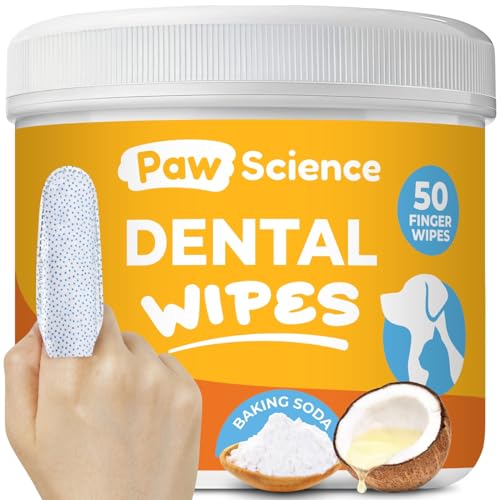
- Dog dental wipes cleaning teeth without brushing for quick surface cleaning on the go
- Enzymatic dental spray for dogs that can be misted onto gums and teeth to break down bacteria

Before You Start
Assess your dog’s comfort level with each method and introduce products gradually. Choose products formulated for dogs, not humans, and follow label directions. Never substitute human dental products or hydrogen peroxide on pets. If your dog has dental disease, gum inflammation, or loose teeth, consult a veterinarian before starting any at‑home routine. Allow time for adjustments and monitor for signs of distress or adverse reactions. Plan for a consistent schedule, typically several times per week, rather than sporadic use.
Step-By-Step: How To Clean Dog Teeth Without Brushing
- Consult your veterinarian to establish a baseline and confirm the safety of at‑home tools, especially if using an ultrasonic scaler.
- Introduce an enzymatic dental spray gradually, spraying onto the gums and teeth after meals to disrupt bacteria and freshen breath.
- Add a pet water additive to the dog’s drinking water, starting with a small amount and increasing as directed to reduce plaque formation over time.
- Offer dental chews that are approved for your dog’s size and dietary needs; encourage chewing during play to maximize mechanical cleaning.
- Use dog dental wipes on the outer and accessible inner surfaces of teeth to remove surface plaque and stimulate gums after meals.
- Schedule periodic use of an ultrasonic at-home scaler only if advised by a veterinarian; follow all safety instructions and start with the lowest intensity.
- Apply positive reinforcement, giving praise or a treat after using any dental product to build routine consistency.
- Track progress by noting reductions in bad breath and visible plaque; adjust frequency of use based on your dog’s response and veterinary guidance.
- Keep fresh water available at all times and maintain a routine that integrates dental care with regular checkups.
- Maintain dental hygiene as part of overall health, watching for signs of dental discomfort such as difficulty eating, pawing at the mouth, or drooling.
- If any product causes irritation or a negative reaction, discontinue use and contact your veterinarian for alternatives.
Troubleshooting
| Symptom | Likely Cause | Fix | Prevention |
|---|---|---|---|
| Persistent bad breath | Ongoing plaque, tartar buildup | Increase frequency of approved dental products | Combine with veterinarian‑recommended checkups |
| Gums look red or swollen | Irritation from products or dental disease | Pause methods and consult vet | Use gentler products and proper dosing |
| Chewing distress or refusal to use products | Unfamiliar textures or tastes | Try milder flavors or alternate products | Introduce gradually with treats |
| Ultrasonic scaler not improving condition | Professional dental care needed | Schedule vet cleaning or specialized at‑home guidance | Regular veterinary checkups |
| Diarrhea after using water additive | Overdosing or sensitivity | Reduce amount or discontinue temporarily | Follow label directions carefully |
Common Mistakes
- Relying solely on one product; dental health benefits come from a combined approach
- Using human toothpaste or brushes, which can be harmful to dogs
- Inconsistent routines; dental health benefits require regular use
- Overlooking vet advice when dental issues arise
- Ignoring signs of dental disease and delaying professional care
Tips For Best Results
- Coordinate products to avoid overlapping active ingredients that could cause irritation
- Choose age and size‑appropriate dental chews to maximize effectiveness
- Rotate products periodically to maintain interest and reduce tolerance
- Pair dental care with a balanced diet and regular veterinary exams
- Label and track when you start each product to measure progress over time
Call A Professional
Seek professional advice if the dog shows signs of dental disease, pain, or reluctance to eat. Stop any at‑home routine if there is excessive drooling, bleeding, or jaw pain. Emergency care is needed for any sudden changes in behavior or appetite, and a veterinarian can perform a comprehensive cleaning or prescribe targeted treatments. Preventive care is best maintained with periodic professional assessments.
FAQ
How often should I use dental sprays or wipes?
Use according to product directions and your vet’s guidance, typically a few times per week for sprays and daily or every couple of days for wipes.
Are enzymatic sprays safe for all dogs?
Most are safe for healthy dogs when used as directed, but consult a veterinarian if there are existing medical issues or if the dog is pregnant or nursing.
Can I replace brushing completely with chews and sprays?
These products can supplement brushing but are not a full replacement for routine brushing or professional cleanings in many cases. A vet‑approved plan is best.
What age is appropriate for starting these products?
Most products are suitable for adult dogs; consult your veterinarian before using on very young puppies or senior dogs with health concerns.
What signs indicate dental problems?
Bad breath, red or swollen gums, trouble eating, excessive drooling, or hiding when the mouth is touched warrant a veterinary check.
Do these methods work for all breeds?
Results vary by breed, size, and individual dental history. Some breeds may need more frequent professional care or specialized products.
Buying Guide
Choosing the right products for cleaning a dog’s teeth without brushing involves several factors. Consider size and chewing behavior to match dental chews and wipes with your dog’s mouth dimensions. Noise level is not typically a concern for at‑home dental tools, but ease of use matters for daily routines. Energy efficiency applies to any powered devices like an ultrasonic scaler; select models with safety features and adjustable intensity. Controls should be simple—look for clear dosing and easy application. Placement of products in your routine matters: integrate additives with meals, sprays after feeding, and wipes before or after play sessions. Compare options by effectiveness, veterinary approval, and how the product fits your dog’s preferences and lifestyle. Ready to compare: a water additive, enzymatic spray, dental chews, wipes, and an at‑home ultrasonic scaler provide a comprehensive, flexible approach to canine dental care without brushing. If you’re unsure where to start, discuss a combined plan with your veterinarian and start gradually to gauge your dog’s comfort and response.