Mahogany wood is prized for its rich color and smooth grain, but it also requires careful cleaning to maintain its luster. This guide outlines practical, safe steps to clean and protect mahogany without damaging its finish. Readers will learn how to remove dust, fingerprints, and grime while preserving the wood’s natural beauty.
Following a simple routine can extend the life of mahogany furniture and panels. The methods below focus on using specialized products designed for mahogany, alongside general, non-abrasive tools. The goal is a clean, nourished surface that resists drying or dulling over time.
Quick Answer
Gentle dusting, a suitable cleaner, and a conditioning treatment keep mahogany looking its best. Use a mahogany wood cleaner spray 16 oz for surface grime, then follow with mahogany furniture polish and conditioner oil 8 oz to restore moisture and shine. For deeper restoration, a mahogany wood restorer sealer kit with microfiber cloth can seal and refresh the finish. Always test in an inconspicuous area first.
What You’ll Need
- Mahogany wood cleaner spray 16 oz
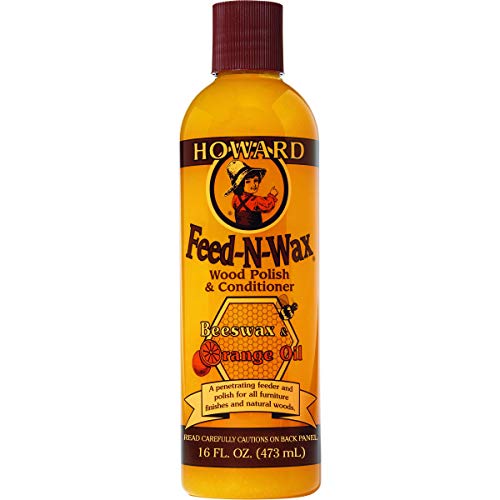
- Mahogany furniture polish and conditioner oil 8 oz
- Mahogany wood restorer sealer kit with microfiber cloth
- Mahogany wood conditioner oil wax combination 4 oz
- Mahogany furniture cleaning kit microfiber cloths spray bottle

Before You Start
Before cleaning, remove loose items from the surface and protect nearby items from sprays. Work in a well-ventilated area and use a soft, lint-free cloth to avoid scratches. Test any product in a small, hidden spot to ensure color and finish compatibility. Typical cleaning and conditioning sessions take about 15–30 minutes per surface, plus drying time.
Critical cautions: avoid ammonia-based cleaners and harsh abrasives, which can strip the finish. Do not saturate the wood; apply products sparingly and follow the manufacturer’s directions.
Step-By-Step: How To Clean Mahogany Wood
- Dust the surface with a clean microfiber cloth to remove loose dirt and particles.
- Lightly mist a small amount of mahogany wood cleaner spray onto a cloth, not directly onto the wood, and wipe in the direction of the grain.
- For stubborn smears or fingerprints, repeat with a fresh section of cloth and a bit more cleaner, always using minimal product.
- Gently wipe away any residue with a dry microfiber cloth to prevent streaks.
- Apply mahogany furniture polish and conditioner oil to a clean cloth and rub in a circular motion, covering the entire surface to restore moisture and enhance shine.
- Let the surface dry to a soft, satin finish, then buff lightly with a dry cloth for a smooth look.
- If the wood appears dull or has minor scratches, use a mahogany wood restorer sealer kit with microfiber cloth according to the kit instructions, focusing on the affected areas.
- For ongoing protection, consider a light application of mahogany wood conditioner oil wax combination in a thin layer after cleansing and drying.
- Wipe away excess product and allow the surface to dry fully before use or placing decor items.
- Maintain monthly or quarterly cleaning depending on exposure to sunlight and air quality; wipe with the same routine to preserve color and finish.
- Store cleaning supplies in a cool, dry place away from direct heat or sunlight to prevent product degradation.
- Inspect frequently for water spots or wear. Reapply conditioner as needed to maintain a protective layer.
Troubleshooting
| Symptom | Likely Cause | Fix | Prevention |
|---|---|---|---|
| Water spots or dull patches | Drying residue or old finish | Gently re-wipe with cleaner and reapply conditioner | Clean regularly with approved products; avoid humidity spikes |
| Streaks after cleaning | Excess cleaner or improper buffing | Buff with a dry microfiber cloth in the grain direction | Use minimal product and proper drying time |
| Color fading in sunlight | UV exposure | Move pieces away from direct sun; recondition periodically | Use UV-protective finishes if applicable |
| Rings from cups or moisture | Water rings | Lightly recondition and seal; avoid placing hot or wet items directly | Use coasters and related protective measures |
| Scratch marks | Surface wear | Apply restorer kit to affected areas | Regular maintenance and gentle cleaning |
Common Mistakes
- Using abrasive pads or rough cloths that scratch mahogany.
- Over-wetting the surface or applying too much product at once.
- Skipping a test spot before full application of a new product.
- Ignoring sun exposure, which can fade color over time.
Tips For Best Results
- Dust regularly to prevent buildup that requires aggressive cleaning.
- Use the same brand line for cleansing and conditioning to ensure compatibility.
- Always wipe in the direction of the grain for an even finish.
- Protect mahogany surfaces with coasters and mats to minimize moisture contact.
- Condition more frequently on high-traffic pieces or those in sunny rooms.
Call A Professional
Consult a professional if mahogany shows deep stains, significant cracking, or finish delamination. Stop cleaning and seeking expert help if the wood feels unusually soft, the finish peels, or color changes unexpectedly after product use. Experts can assess whether refinishing or restoration is required beyond routine maintenance.
FAQ
Is it safe to use citrus-based cleaners on mahogany?
Most citrus-based cleaners are too harsh for mahogany finishes; use products formulated for wood and follow the label.
How often should I condition mahogany furniture?
Condition every 3–6 months, or more often on dry climates or high-traffic pieces.
Can I use wax on mahogany after cleaning?
Yes, a wax-based conditioner can add protection, but apply sparingly and buff thoroughly.
What should I do about water rings?
Gently recondition and seal the area; place a protective mat or coaster to prevent future rings.
Will sun exposure ruin mahogany color?
Prolonged sun exposure can cause fading; consider positioning away from direct sunlight or using UV-rated finishes.
Buying Guide
When selecting products for mahogany care, consider size, formulation, and packaging. A mahogany wood cleaner spray 16 oz provides easy surface cleaning, while a separate mahogany furniture polish and conditioner oil 8 oz helps maintain moisture and sheen. A mahogany wood restorer sealer kit with microfiber cloth is valuable for deeper restoration, and a mahogany wood conditioner oil wax combination 4 oz offers ongoing protection. A mahogany furniture cleaning kit microfiber cloths spray bottle ensures you have the right accessories. Look for products that are specifically designed for mahogany, free of ammonia, and compatible with existing finishes. Consider the finish type (oil-based vs. water-based) and expected maintenance frequency. For placement, assess room humidity, sunlight exposure, and daily use to choose a routine that keeps the wood vibrant without over-saturation.
Size matters for convenience: larger bottles reduce frequency of purchases but require adequate storage. Noise and energy efficiency are not primary concerns for cleaning routines, but choosing spray bottles with smooth triggers minimizes product waste. Ensure that the kit includes soft cloths and microfiber towels designed for delicate wood surfaces. If in doubt, start with a basic cleaning and conditioning plan and expand with a restorer kit as needed. The goal is a balanced approach that preserves color, adds light protection, and maintains a smooth feel to the touch.