Dishwasher racks can develop mold and mildew if moisture stays trapped in hard-to-reach corners. A clean rack not only looks better but also prevents odor transfer to dishes and improves overall dishwasher performance. This guide provides practical, device-agnostic steps and uses common tools to restore mold-free racks.
Following a routine cleaning regimen can extend the life of racks and maintain hygienic loading conditions. The steps below emphasize safe handling, effective cleaning agents, and maintenance habits that fit typical American households.
Quick Answer
Use a combination of a long-handled brush, a nylon bristle scrub brush, a mold remover spray, a plastic rack cleaning kit, and a silicone scraper to scrub away mold, wipe away residue, and dry racks completely. For tough spots, repeat the spray and scrub cycle, then run a hot rinse to finish.
What You’ll Need
- Long-handled dishwasher rack cleaning brush
- Nylon bristle dish rack scrub brush
- Dishwasher rack mold remover spray
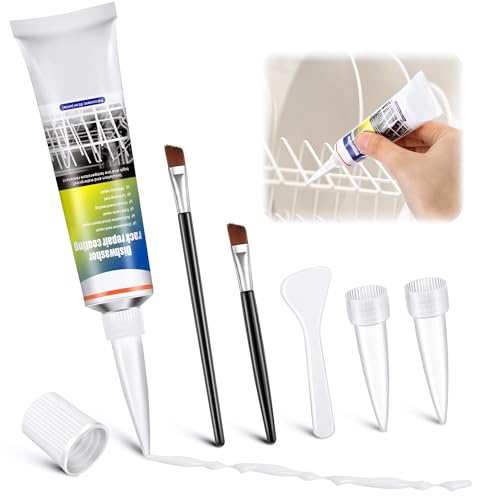
- Plastic dishwasher rack cleaning kit
- Silicone dishwasher rack cleaning scraper


Before You Start
Before beginning, remove all dishes and racks from the dishwasher and unplug or switch off power if accessible. Inspect seals and gaskets around the door for mold as well. Work in a well-ventilated area and wear gloves to protect hands from cleaners. Time estimate: 20–40 minutes depending on mold severity. Safety note: avoid mixing cleaners that can create dangerous fumes, and never combine bleach with ammonia or acidic cleaners.
Step-By-Step: How To Clean Moldy Dishwasher Racks
- Remove racks completely and rinse with warm water to loosen loose debris.
- Apply dishwasher rack mold remover spray to all surfaces, paying special attention to corners and tines where mold hides.
- Let the spray sit for 5–10 minutes to penetrate mold colonies, then use the long-handled dishwasher rack cleaning brush to scrub between wires and corners.
- Switch to the nylon bristle dish rack scrub brush for stubborn spots; use small circular motions to avoid scratching plastic components.
- Rinse racks thoroughly with warm water to remove residue and loosened mold. If any odor remains, re-spray and repeat scrubbing.
- Use the silicone dishwasher rack cleaning scraper to lift and remove gunk from tight slots and crevices.
- Dry racks completely with a towel or air dry on a clean surface before reassembly.
- Run an empty hot-water cycle with a cup of white vinegar or a manufacturer-approved cleaner to sanitize the interior after racks are dry.
Troubleshooting
| Symptom | Likely Cause | Fix | Prevention |
|---|---|---|---|
| Mold returns after cleaning | Residual moisture pockets | Ensure all crevices are scrubbed and dry | Dry racks after every cycle |
| Scrubber won’t reach tight spots | Slots are narrow | Use silicone dishwasher rack cleaning scraper | Avoid overloading to keep better access |
| Racks still smell moldy | Old residue in gasket or seal | Wipe seals with mold remover spray and rinse | Regular maintenance every 1–2 months |
| Scratches on plastic rack | Harsh scrubbing | Switch to softer brushes and gentler pressure | Gentle routine cleaning |
Common Mistakes
- Using abrasive cleaners that damage plastic rack surfaces
- Rushing the drying phase, leaving moisture behind
- Neglecting the dishwasher door gasket areas during cleaning
- Mixing cleaners that create harmful fumes
Tips For Best Results
- Clean racks on a regular schedule, not just when mold becomes visible.
- Pre-rinse heavily stained areas to reduce cleaning time.
- Alternate between a dedicated mold remover spray and a vinegar rinse for ongoing freshness.
- Inspect for warped or cracked rack components and replace as needed to maintain drainage and airflow.
- Keep the dishwasher door open briefly after cycles to promote drying and reduce moisture buildup.
Call A Professional
If mold covers large areas of the interior, if you notice persistent odors despite cleaning, or if there is visible mold growth on seals or the tub, contact a professional appliance technician. Stop using the dishwasher until a qualified technician confirms there is no mold-related health risk or structural damage.
FAQ
Is it safe to use bleach to clean mold from dishwasher racks?
Bleach can be effective but should be used with caution and never mixed with ammonia or acidic cleaners. Always rinse thoroughly after using any bleach product.
How often should I clean mold from dishwasher racks?
Perform a routine cleaning every 1–2 months, and run a sanitize cycle every few months to prevent buildup.
Can I use vinegar to remove mold?
Yes, white vinegar can help degrade mold and deodorize the interior, especially when used during an empty cycle with hot water.
What if my racks are discolored after cleaning?
Discoloration can occur from mineral deposits or aging plastic. A gentle scrub with a nylon brush and a mild cleaner, followed by thorough rinsing, is usually sufficient; replace if structural damage appears.
Buying Guide
Choosing the right tools and cleaners for dishwasher rack maintenance helps extend rack life and maintain hygiene. When evaluating products, consider these factors:
- Size and fit: Ensure brushes and scrapers suit your rack width and tine spacing. Narrow gaps require flexible tools.
- Material quality: Durable plastics and sturdy bristles resist wear and chemical exposure.
- Effectiveness: Look for mold-removing formulas proven to tackle mildew without harsh fumes.
- Ease of use: Ergonomic handles and flexible silicone scrapers reduce effort and improve reach.
- Maintenance needs: Some kits include multiple tools; assess if you prefer a single versatile tool or a comprehensive kit.
- Compatibility: Check that the products work with standard US dishwasher racks and gaskets.
Additionally, compare products based on how well they clean corners, whether they minimize scratching, and how easy they are to store. Is a long-handled brush worth it for your kitchen layout? Do you need a dedicated rack cleaning kit, or can you rely on separate brushes and a scraper? Thoughtful choices help maintain a clean, odor-free dishwasher and extend the life of racks.