Keeping a dishwasher’s drain hose clean helps prevent backups, odors, and poor drainage. This guide explains practical steps to clear clogs and maintain flow without taking the hose off the appliance. By using common tools and a few specialized items, American homeowners can restore proper drainage with minimal disruption.
Quick Answer
Fast method: Start with a flexible drain auger or hand-crank drain snake designed for dishwasher hoses, then follow with a brush and flushing technique. If a clog persists, try a dedicated dishwasher drain hose cleaning kit or a specialized unclogger tool before inspecting the hose’s exterior for kinks.
What You’ll Need
- Dishwasher drain hose cleaning kit
- Drain auger snake flexible for dishwasher
- Dishwasher drain hose unclogger tool
- Dishwasher drain hose cleaning brush
- Hand-crank drain snake for dishwasher hose
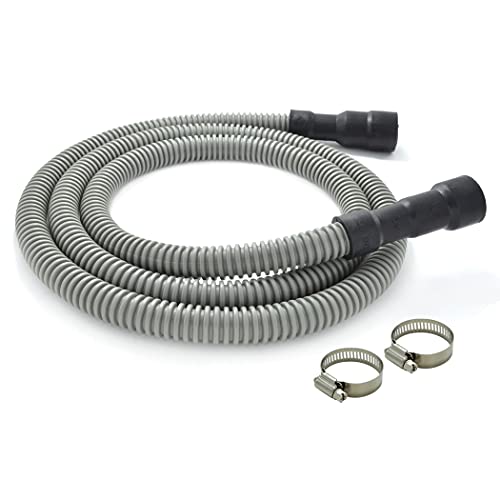


Before You Start
Prepare a workspace near the dishwasher, with access to the sink drain or air gap. Disconnect power to the unit and shut off the water supply if needed. Place towels and a shallow pan under the work area to catch water. A mild rinse and repeated flushes may be required, so plan for 30–60 minutes. If you have a reinforcing or metal hose, handle gently to avoid damage. Remember: never force a tool through a clogged hose if you hear tearing or see exposed wiring.
Step-By-Step: How To Clean A Dishwasher Drain Hose Without Removing It
- Unplug or switch off the dishwasher and ensure the water supply is off. Relieve pressure by running a quick rinse cycle if safe to do so.
- Access the drain hose: locate the hose where it connects to the sink or garbage disposal. Detach the hose only if you can do so without removing it completely; otherwise, proceed from the accessible end near the appliance.
- Inspect for obvious kinks or crush points. Gently straighten any bends to restore a smooth path for water.
- Insert a drain auger snake flexible for dishwasher into the hose end. Slowly rotate and push to dislodge any buildup within the flexible portion of the hose.
- Progressively feed the tool toward the clog, then twist and pull back to pull out debris. Stop if you feel resistance and switch to alternate methods.
- Use a dishwasher drain hose cleaning brush to scrub the inner walls of accessible sections, removing soap scum and hair that can accumulate over time.
- Flush with water or a mild vinegar-water solution. Reconnect the hose to a sink or disposal connection and run a short cycle to observe drainage.
- If water still drains slowly, repeat the auger action from the other end or try a hand-crank drain snake for dishwasher hose for deeper reach.
- Check the flow: run a test cycle with a small amount of dishware and ensure the water clears quickly without backing up into the tub.
- Clean the hose exterior once more around bends to prevent future buildup and reinstall any components securely.
- Document any persistent odor or repeated clogs. If the issue recurs, consider a more thorough inspection or professional service.
Troubleshooting
| Symptom | Likely Cause | Fix | Prevention |
|---|---|---|---|
| Water drains slowly after cleaning | Partial blockage inside hose | Re-run auger and brush steps; flush with water | Regular cleaning every 3–6 months |
| Backflow into dishwasher tub | Clog at the hose end or air gap | Clear at the connection; inspect air gap if present | Avoid filling soap cups too full; use proper detergent |
| Odor coming from dishwasher | Residue buildup in hose | Clean with brush and rinse thoroughly | Run empty cycles with vinegar periodically |
| Hose feels kinked or crushed | Improper routing or damage | Reposition hose to avoid sharp turns | Secure hoses with clips and avoid compression |
| Clogs recur quickly | Residual debris near the drain connection | Inspect disposal inlet and sink drain for debris | Install an inline filter if applicable |
Common Mistakes
- Using excessive force on the hose, which can cause splits or leaks
- Forgetting to disconnect power or water before starting
- Relying on a single tool type; a combination often works best
- Neglecting exterior hose routing, which leads to repeated kinks
Tips For Best Results
- Work with a mirror to monitor interior hose sections and avoid over-insertion of tools
- Lubricate tool tips with a small amount of water-based lubricant to ease insertion
- Alternate between flushing and mechanical clearing for optimal debris removal
- Keep a regular maintenance schedule to prevent buildup and downstream clogs
- Label and secure hose connections after cleaning to prevent accidental disconnections
Call A Professional
Seek professional help if any of the following occur: persistent clogs after multiple attempts, visible hose damage or leaks, a strong sewage odor that persists after cleaning, or if the dishwasher fails to drain even after testing the drain and air gap. A licensed plumber can assess for more complex issues like a blocked main line or faulty disposal connection.
FAQ
Can I clean a dishwasher drain hose without removing it?
Yes. Start from the hose end connected to the sink or disposal and use a flexible auger, a brush, and flushing to clear the blockage without detaching the hose.
What tools are best for clearing a dishwasher drain hose?
Use a dishwasher drain hose cleaning kit, a drain auger snake flexible for dishwasher, a dishwasher drain hose unclogger tool, a dishwasher drain hose cleaning brush, and a hand-crank drain snake for dishwasher hose as needed.
How often should I clean my dishwasher drain hose?
Every 3–6 months as preventive maintenance, or more often if you notice slow drainage or odor.
Is it safe to use chemical drain cleaners in the dishwasher hose?
Generally not recommended, as chemicals can damage hoses or gaskets. Mechanical clearing followed by flushing is safer for the hose and appliance.
What if the hose still leaks after cleaning?
Inspect for cracks, tighten clamps, and replace the hose if damage is found. A professional can help with persistent leaks.
Should I run a dishwasher with the hose open to air for a moment?
Do not leave an exposed hose open to air; keep connections secure and covered to prevent spills.
Do I need to remove the hose to clean my disposal connection?
Not necessarily, but if access is blocked, briefly disconnecting the hose at the disposal or air gap may help reach the blockage more effectively.
Buying Guide
When choosing tools to clean a dishwasher drain hose, consider size, compatibility, and build quality. Look for a dishwasher drain hose cleaning kit that includes a flexible drain auger snake and a dedicated dishwasher drain hose unclogger tool. A dishwasher drain hose cleaning brush helps with interior scrubbing, while a hand-crank drain snake for dishwasher hose offers added reach for stubborn clogs. For best results, select tools designed for use with dishwasher hoses and verify compatibility with standard kitchen plumbing connections.
Size and length matter: ensure the auger or snake is long enough to reach typical blockages in the hose without bending excessively. Noise and energy use are minimal concerns for these hand tools, but ease of use and durability should guide your choice.
Noise level is generally a non-issue with manual tools, but models with smooth handles and ergonomic grips reduce fatigue during longer sessions. Energy efficiency is not a primary factor for these tasks, as they rely on manual or low-power devices.
Controls should be straightforward: look for simple screw-action augers, smooth rotation handles, and clear instructions. Placement considerations include running a cleaning project near the sink to contain water and debris and ensuring adequate ventilation in the area.
Other factors: durability of the hose material, compatibility with standard kitchen plumbing, and ease of storage. Reading product reviews and selecting a kit with a guaranteed warranty can provide peace of mind.