White plastic fences, often made of vinyl or PVC, brighten curb appeal but show dirt, mildew, and algae quickly. With the right approach, cleaning is straightforward and safe for the material. This guide outlines practical steps, tools, and tips to restore a pristine white fence.
By following these methods, homeowners can maintain the fence’s look without damaging the surface or surrounding landscaping. The focus is on gentle cleaners, proper scrubbing, and effective rinsing to keep PVC fencing in top condition year after year.
Quick Answer
Best overall method: Use a vinyl fence cleaner spray for white PVC fence along with a soft bristle brush, then rinse thoroughly. For high sections, employ an extendable cleaning pole or an electric pressure washer on a low setting. Address mold and mildew promptly with a dedicated remover.
What You’ll Need
- vinyl fence cleaner spray for white PVC fence
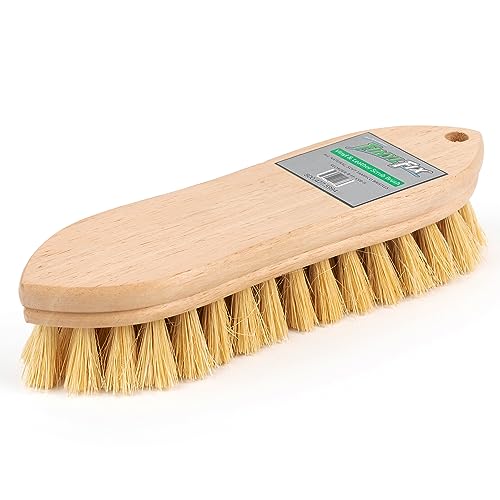
- soft bristle brush for vinyl fence cleaning
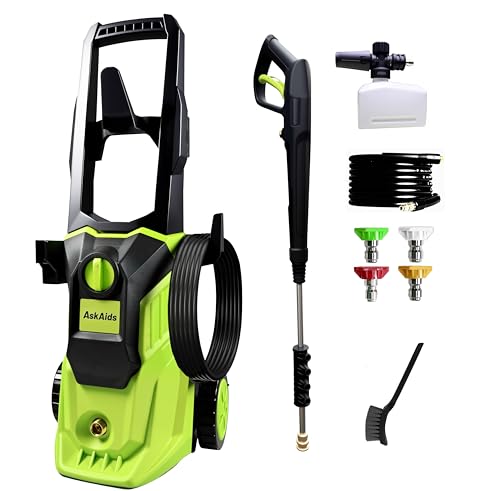
- electric pressure washer for vinyl fence cleaning (1800-2200 psi)
- extendable cleaning pole for high vinyl fence
- mold and mildew remover for white PVC fence

Before You Start
Before beginning, test a small inconspicuous area to ensure the cleaner won’t affect the finish. Protect nearby plants by rinsing them with water or covering them during cleaning. Work on a dry day to prevent slippery surfaces. Plan to wash in sections, starting from the top and moving downward. Wear safety glasses and gloves to guard against splashes.
Estimated time varies by fence size and grime level, typically 1–3 hours for a standard yard fence. For sections with heavy mold or mildew, allocate extra time for a second cleaning pass.
Step-By-Step: How To Clean White Plastic Fence
- Combine a vinyl fence cleaner spray for white PVC fence with water in a spray bottle or bucket per label instructions.
- Apply the cleaner to a small section, focusing on stained or mildewed areas. Let it dwell for a few minutes to penetrate grime.
- Use a soft bristle brush for vinyl fence cleaning to scrub in gentle, circular motions. Avoid aggressive scrubbing that may dull the surface.
- For tall or hard-to-reach areas, attach an extendable cleaning pole for high vinyl fence to reach the top rails safely.
- Rinse the section with a electric pressure washer for vinyl fence cleaning set to a low-to-moderate pressure (1800–2200 psi) and a wide fan spray. Keep the nozzle at a safe distance to prevent damage.
- Reapply cleaner to stubborn spots and scrub again if needed. Work in vertical strips to avoid missing sections.
- For mold and mildew, apply a dedicated mold and mildew remover for white PVC fence and let it sit briefly before rinsing.
- Rinse thoroughly from top to bottom, ensuring all cleaner residue is removed. Allow the fence to dry completely before evaluating remaining stains.
Troubleshooting
| Symptom | Likely Cause | Fix | Prevention |
|---|---|---|---|
| Streaks after rinse | Uneven cleaner application | Re-spray and rinse in overlapping passes | Keep a consistent distance and method |
| Faded looking spots | Harsh scrubbing or incorrect cleaner | Switch to gentler brush and vinyl-specific cleaner | Test cleaner area first |
| Persistent mildew | Mildew buildup | Use mold and mildew remover for white PVC fence, re-clean | Address moisture sources and shade issues |
| Surface etching or dullness | High-pressure exposure | Reduce pressure and use gentle brushing | Use low-pressure setting on delicate sections |
Common Mistakes
- Using high-pressure washers on close-range vinyl surfaces
- Mixing cleaners not labeled for PVC or using bleach without caution
- Neglecting to rinse thoroughly, leaving residue behind
- Skimping on pre-test area checks and protective measures
Common sense and patience often lead to the best results. Rinse completely and allow drying time between steps to avoid streaks.
Tips For Best Results
- Work on a cloudy day to prevent cleaner drying too quickly on the surface
- Use a soft brush to avoid scratching the PVC surface
- Spot-treat heavily soiled areas before a full wash
- Keep plants protected and rinse the ground to prevent runoff staining
- Follow label directions for any cleaners and test in a hidden area first
Call A Professional
Stop and call a professional if the fence shows structural damage, persistent staining after multiple cleanings, or if you are unsure about chemical compatibility with nearby vegetation. Seek help if the fence is older, warped, or has deep cracks that require repair or replacement.
FAQ
What is the best cleaner for white PVC fences?
The best cleaner is a vinyl fence cleaner spray for white PVC fence designed for plastic surfaces, used with a soft brush and thorough rinsing.
Can I use a pressure washer on my vinyl fence?
Yes, but use a low to moderate pressure (about 1800–2200 psi) and maintain a safe distance to avoid damage.
How do I remove mildew from a PVC fence?
Apply a mold and mildew remover for white PVC fence, let it dwell briefly, then scrub and rinse.
Is it necessary to protect plants during cleaning?
Yes, cover or shield plants and rinse them if splashes occur to prevent chemical exposure.
How long does it take to clean a typical fence?
Most projects take 1–3 hours depending on size and grime level, with extra time for stubborn stains.
Buying Guide
Choosing products and tools for cleaning white plastic fences depends on several factors. Consider the fence material (PVC vs vinyl) and the typical grime you encounter in your area. Size and height influence tool choices, especially extension poles and reach. Noise level and energy efficiency apply mainly to powered tools like pressure washers; select models with adjustable pressure settings and water consumption.
Key buying factors include:
- <bSize and height: Standard residential fences respond well to extendable poles and handheld tools; taller sections may require ladders or long-reach devices.
- <bNoise level: Electric pressure washers tend to be quieter than gas-powered units; look for models with variable spray patterns to minimize noise while cleaning.
- <bEnergy efficiency: Choose low-flow settings and pressure washers with efficient pumps to reduce water usage.
- <bControls: User-friendly spray wands, adjustable nozzles, and easy-start features save time and improve results.
- <bPlacement: Ensure placement allows safe access to all fence areas without damaging landscaping or nearby pets.
For best results, match cleaners to the fence type and stains. A combination of vinyl-specific cleaner, a soft brush, and careful rinsing yields durable, long-lasting cleanliness. If heavy mold or structural issues exist, consider professional assessment to determine whether repair or replacement is needed.