Smelly shower drains are a common household frustration, often caused by trapped hair, soap scum, and organic buildup that creates foul odors as water lingers in the drain. A practical approach combines regular maintenance, simple cleaning methods, and the right tools. This guide provides a clear, step-by-step process to eliminate the odor and keep your shower smelling fresh.
The goal is to remove clogs, sanitize the drain area, and establish ongoing habits that prevent odor buildup. Readers will find a quick overview, a complete toolkit, and practical safety notes to ensure a safe, effective DIY solution for most standard residential showers.
Quick Answer
Eliminate shower drain smell by removing hair and gunk with a drain auger or hair catcher, cleaning the P-trap, sanitizing with a solution, and establishing a routine to keep debris from accumulating. Start with a hair-catching filter, then use a drain snake auger if odors persist. Finish with a quick rinse and periodic maintenance.
What You’ll Need
The following tools and materials cover the core tasks of removing odor-causing buildup and maintaining a clean drain. Gather these before you begin to streamline the process.
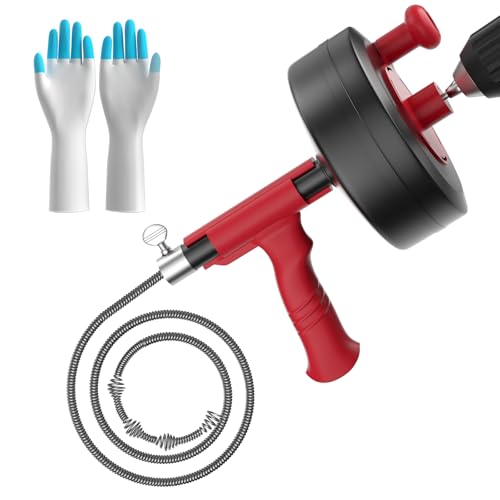
- Shower drain snake auger 25 ft stainless steel – breaks through deep clogs and pulls hair from the line
- Shower drain hair catcher filter mesh – prevents hair from entering the drain
- Rubber plunger for shower drain – provides a quick, chemical-free first pass to loosen debris
- Bathroom drain cleaning tool kit with auger – comprehensive kit for draining and cleaning
- P-trap cleaning tool for shower drain – helps clean the U-shaped pipe under the shower


Before You Start
Before attempting any cleaning, prepare the area and protect yourself. Remove any visible standing water if possible, lay down towels to catch spills, and wear gloves and eye protection. Work in a well-ventilated area to avoid inhaling cleaning fumes. The following cautions help prevent damage and personal injury:
- Turn off water supply to the shower if you plan to remove sections of piping.
- Avoid mixing chemical cleaners with the plunger or metal augers to prevent chemical reactions or damage.
- Test any tool on a small section first to ensure it does not scratch or damage the finish.
Step-By-Step: How To Get Rid Of Shower Drain Smell
- Remove standing water and wipe down the area to access the drain opening. This creates a clear workspace for the tools.
- Insert the shower drain hair catcher filter mesh over the drain to catch loose hair and minimize future buildup.
- Use the rubber plunger for shower drain to loosen any surface debris by applying several firm, vertical pushes. Rinse and assess odor reduction.
- Extend the shower drain snake auger 25 ft stainless steel into the drain following the manufacturer’s instructions. Rotate the handle to break through hair clogs and pull debris up and out.
- If you encounter a stubborn obstruction, switch to the bathroom drain cleaning tool kit with auger for a more comprehensive approach. Use the auger to break apart stubborn buildup and advance toward the trap area.
- Access the P-trap cleaning tool for shower drain to remove and clean the P-trap. Clear out organic matter, rinse thoroughly, and reassemble. Run hot water for several minutes to flush residues.
- Prepare a sanitizer solution (a mild bleach solution or white vinegar and baking soda) and pour carefully into the drain, then flush with plenty of water. This helps neutralize odors and disinfect the pipe surfaces.
- Reinstall the drain cover and remove the hair catcher filter. Rinse the drain area with hot water, checking for lingering smells as the water drains.
- Schedule a routine maintenance plan. Use the hair catcher after every shower and repeat the drain cleaning steps every few months or when you notice odor returning.
- Monitor the drain after cleaning. If odors persist, consider professional inspection for deeper issues such as pipe damage or a stubborn blockage in hard-to-reach areas.
Troubleshooting
| Symptom | Likely Cause | Fix | Prevention |
|---|---|---|---|
| Persistent odor after cleaning | Residual buildup in the P-trap or pipe | Re-clean the P-trap with the P-trap cleaning tool for shower drain and re-flush | Use a hair catcher and flush monthly with hot water |
| Slow draining | Hair and soap scum in the drain line | Run the shower drain snake auger and then rinse with hot water | Regularly clear hair using the filter mesh |
| Gurgling sounds | Partial blockage in the drain or vent issue | Completely clear the drain with auger; if unresolved, inspect venting or call a plumber | Keep vents clear and avoid pouring grease down drains |
| Water backs up into shower | Extensive clog or trap problem | Thoroughly clean with the auger and P-trap tool; consider expanding to a professional assessment | Routine maintenance and prompt hair removal |
Common Mistakes
- Using chemical cleaners as a sole solution; they don’t remove hair clogs and can damage pipes.
- Forcing the auger or plunger without turning; this can kink the tool or damage fixtures.
- Neglecting the trap area; odors often originate from the P-trap or under the floor.
- Skipping the hair catcher, allowing hair to flow back into the drain after cleaning.
Tips For Best Results
- Schedule routine maintenance every 2–3 months, especially in households with longer hair showers.
- Place the hair catcher on the drain after every shower to minimize debris entering the drain line.
- Flush the drain with hot water after each cleaning session to help clear soap scum and residue.
- Consider a periodic sanitize cycle using vinegar and baking soda for safe odor control, but avoid mixing with bleach.
- Keep the stainless steel auger clean and dry after use to prevent rust and extend tool life.
Call A Professional
Call a pro if any of the following apply: the odor persists after thorough cleaning, there is a strong sewage smell, there is visible water backup beyond the shower, or you suspect a hidden leak or vent problem. Professional plumbers can perform camera inspections and more advanced drain cleaning in tight or complex configurations.
FAQ
Is a hair catcher enough to stop drain odors long term?
Using a hair catcher helps reduce hair buildup but should be complemented with periodic cleaning of the drain and P-trap.
Can I use baking soda and vinegar to deodorize my drain?
Yes, a mild combination can help, but avoid mixing with bleach and never rely on it as the sole solution for clogs.
How often should I clean my shower drain?
As a precaution, clean roughly every 1–3 months and use a hair catcher to minimize future buildup.
What if the smell comes back after I clean?
Reassess the P-trap and consider a deeper clean with the auger or a professional inspection to rule out more serious issues.
Should I remove the P-trap during cleaning?
Yes, carefully detach and clean the P-trap to remove trapped debris and sanitize the area.
Are there any safety risks with using drain augers?
Follow manufacturer instructions, wear protective gloves and eyewear, and avoid forcing tools into tight spaces.
What maintenance steps prevent odors long-term?
Use a hair catcher, flush with hot water regularly, and perform periodic auger cleanings to keep the lines clear.
Buying Guide
Choosing the right tools for managing shower drain odors depends on the drain’s configuration, hair load, and homeowner comfort with DIY maintenance. Consider the following factors to compare options and pick an effective kit or individual tools.
- Size and reach: For most showers, a 25 ft stainless steel drain auger covers typical pipe runs. Longer augers help for deeper builds but can be unwieldy for smaller stalls.
- Material quality: Stainless steel augers resist rust and offer durability; plastic components are lighter but less durable over time.
- Ease of use: A complete bathroom drain cleaning tool kit with auger typically includes everything needed for both quick passes and deeper cleans.
- Hair capture: A durable shower drain hair catcher filter mesh reduces recurring clogs and makes maintenance much easier.
- P-trap access: If the P-trap is difficult to access, ensure a tool designed for trap cleaning is included to ease maintenance.
- <bNoise and energy considerations: Manual tools generate no electricity use and minimal noise; automated devices may increase noise but speed up cleaning.
- <bPlacement and compatibility: Check that tools fit standard shower drain sizes and are compatible with your plumbing layout before purchasing.
For many households, a balanced kit combining shower drain snake auger 25 ft stainless steel, shower drain hair catcher filter mesh, rubber plunger for shower drain, and a bathroom drain cleaning tool kit with auger provides a complete, practical solution. Starting with the simplest solution and progressively employing more robust tools ensures effective odor control without over-investing in equipment.