Tiny flies around potted plants are often fungus gnats, drawn to damp soil and organic matter. While they rarely harm mature plants, they can stress seedlings and worsen soil conditions. This guide provides practical, step-by-step methods using common home products to reduce populations and prevent future infestations.
Quick Answer
Identify fungus gnats by their slender bodies and long legs hovering near the soil surface. Act fast with a combination of soil drying, physical traps, and targeted treatments. Start with yellow sticky traps for immediate adult capture and follow with soil interventions like BTI or beneficial nematodes for long-term control.
What You’ll Need
- Yellow sticky traps for fungus gnats
- Beneficial nematodes for fungus gnats in soil
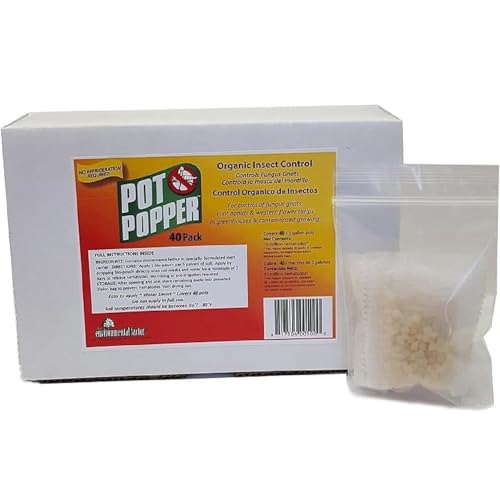
- BTI fungus gnat control product
- Mosquito Dunks fungus gnat control
- Plant care spray bottle for pest control
- Dry soil or sand topping for top-dressing


Before You Start
Before beginning, isolate affected plants if possible to prevent spread. Allow the top layer of soil to dry out between waterings to disrupt larval development. Read label directions on each product to ensure compatibility with your plant types. Time for interventions can vary; plan for several weeks of consistent effort. Safety note: wear gloves when handling soil amendments and follow all product instructions.
Step-By-Step: How To Get Rid Of Tiny Flies In Plants
- Inspect affected plants and identify the most infested containers. Remove any decaying organic matter from the surface of the soil.
- Introduce a physical barrier by placing yellow sticky traps for fungus gnats around the pot rims to catch adults and reduce mating opportunities.
- Allow the top inch of soil to dry out between waterings for several days to disrupt the larval life cycle.
- Apply a BTI fungus gnat control product to the upper soil layer as directed to target larvae without harming plants.
- Consider using mosquito dunks fungus gnat control in containers with higher moisture. Break up the product into small granules or capsules per label instructions and distribute evenly.
- For persistent populations, introduce beneficial nematodes for fungus gnats in soil following the packaging’s rehydration and application guidelines. They seek out and kill larvae in the root zone.
- Top-dress the soil with a thin layer of clean sand or dry potting mix to deter adult gnats from laying eggs on moist soil surfaces.
- Keep plants spaced to improve air circulation and reduce humidity around the foliage, which gnats favor.
- Monitor weekly: replace or reposition sticky traps, reapply BTI or nematodes if infestation persists, and adjust watering schedules as needed.
- Rotate control strategies monthly to prevent gnats from adapting to a single method.
- Document progress and adjust care routines based on plant health and soil moisture readings.
- If a plant shows signs of stress or the infestation is widespread, escalate to a combined approach and seek professional advice if necessary.
Troubleshooting
| Symptom | Likely Cause | Fix | Prevention |
|---|---|---|---|
| Many adult gnats on traps | Overly moist soil and ongoing breeding | Increase drying between waterings; add BTI and nematodes | Water less frequently; ensure pots have drainage |
| Gnats remain after spraying | Larvae in deeper root zone | Apply BtI or nematodes again; target deeper soil layers | Top-dress soil and improve drainage |
| Plant leaves yellow or wilt | Root stress from gnats and overwatering | Stabilize watering, use beneficial products as needed | Repot with fresh soil if root damage is extensive |
Common Mistakes
- Overwatering plants in an attempt to flush pests, which actually fuels the gnats.
- Relying on a single method; combining traps, biological controls, and cultural changes is more effective.
- Neglecting to remove decaying organic matter from the soil surface.
- Ignoring pot drainage or using pots without holes.
Tips For Best Results
- Use yellow sticky traps as a rapid response to adult gnats and to gauge population trends.
- Pair BTI fungus gnat control product with beneficial nematodes for complementary action on larvae.
- Keep plants off saucers and ensure excess water drains away promptly to avoid a moist microclimate.
- Rotate products and adjust watering habits as seasons change to maintain control over the pest cycle.
- Label and store products properly to maintain efficacy and safety for future use.
Call A Professional
If infestations persist after 6–8 weeks of combined methods, or multiple plants show symptoms beyond typical gnats, consult a professional. Seek immediate help if there is widespread plant decline, signs of root rot, or sensitive houseplants are affected.
FAQ
Are fungus gnats harmful to mature plants?
Generally, they are more of a nuisance, but larvae can damage roots and stunt growth, especially in young plants.
How often should I use BTI fungus gnat control product?
Follow label directions; typically, applications are repeated every 1–3 weeks during active breeding seasons.
Do beneficial nematodes work indoors?
Yes, when applied correctly to the soil, they locate and kill larvae in the root zone.
Can I reuse potting soil that had a fungus gnat infestation?
It’s best to replace or sanitize soil, as gnats can lay eggs in the soil and survive through standard gardening cycles.
Buying Guide
Choosing the right products involves considering size and number of plants, indoor humidity, and the severity of the infestation. When evaluating options:
- Size and number of plants: Larger collections may benefit from broader, multi-pack traps and a combination of biological controls.
- Noise level and maintenance: Most controls are silent; focus on ease of application and frequency.
- Energy efficiency is less relevant for non-electrical products, but choose low-waste formats where possible.
- Controls: Use a mix of traps, soil treatments, and cultural changes—no single solution is sufficient.
- Placement: Position traps where adults are most active and near affected pots; keep them away from direct sunlight to prevent bias in readings.
Key product lineup to consider includes yellow sticky traps for fungus gnats, beneficial nematodes for fungus gnats in soil, BTI fungus gnat control product, and mosquito dunks fungus gnat control. A plant care spray bottle for pest control can help with targeted surface treatments. Always follow product labels and test on a small plant area first to ensure compatibility.