Fake rings, often made from costume metals or plated alloys, can accumulate oils, dirt, and residue from everyday wear. Proper cleaning restores shine without risking damage to the finish. This guide outlines practical steps using common, gentle tools suitable for American households.
Following a careful routine helps preserve luster while avoiding harsh chemicals that can discolor or wear away surfaces. The methods below are compatible with a range of faux stones, foil finishes, and plated metals typically found in fashion jewelry.
Quick Answer
Best quick method: wipe with a microfiber cloth, then lightly clean with a soft brush and mild solution. For deeper cleaning, use an ultrasonic cleaner designed for costume jewelry, followed by a gentle polish with a lint-free cloth.
What You’ll Need
- Ultrasonic jewelry cleaner for costume jewelry rings
- Jewelry cleaning solution for fake rings
- Soft bristle jewelry cleaning brush for rings
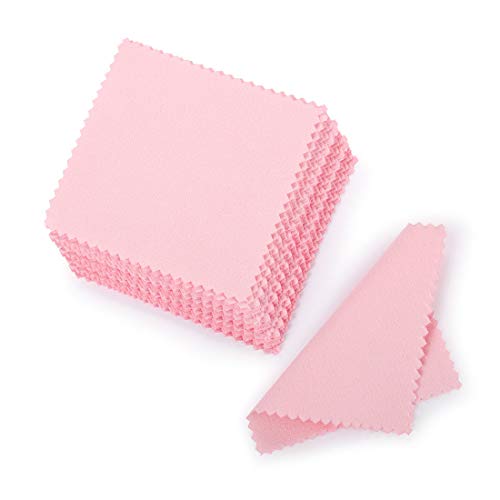
- Microfiber jewelry cleaning cloth for costume rings
- Lint-free polishing cloth for jewelry ring cleaning
- Optional: mild dish soap, warm water, soft bowl


Before You Start
Inspect each ring for loose stones, discoloration, or peeling plating. Do not immerse rings with glued components or fragile enamel for extended periods. Test cleaning on a small, inconspicuous area first. Never use harsh chemicals like bleach, acetone, or ammonia on costume jewelry. Plan cleaning in a well-ventilated area and avoid soaking for more than a few minutes unless using a dedicated ultrasonic setting for jewelry designed for this method.
Step-By-Step: How To Clean Fake Rings
- Remove the ring from your finger and inspect for damage or loose stones.
- Rinse under lukewarm water to loosen surface grime.
- Mix a mild solution: a drop of dish soap in a cup of warm water, if needed.
- Dip the soft bristle brush into the solution and gently scrub the ring’s settings and details.
- Rinse thoroughly with clean warm water to remove soap residue.
- Pat dry with a microfiber cleaning cloth to prevent water spots.
- If deeper cleaning is needed, place the ring in a gentle ultrasonic cleaner according to the device instructions.
- After ultrasonic cleaning, rinse again and dry completely with the lint-free polishing cloth.
- Buff the surface lightly to restore shine, avoiding aggressive rubbing on plating.
- Store rings in a dry, soft pouch or compartment to prevent tarnish.
- Repeat cleaning routine only as needed to maintain appearance.
- For rings with delicate stones, skip ultrasonic cleaning and rely on the brush and soap method.
Troubleshooting
| Symptom | Likely Cause | Fix | Prevention |
|---|---|---|---|
| Dull finish after cleaning | Overly aggressive brushing or abrasive cloth | Switch to gentler motions and use a microfiber cloth | Clean regularly with soft tools |
| Rust or dark spots | Exposure to moisture or worn plating | Limit water contact; avoid soaking; consider professional re-plating | Dry immediately after cleaning |
| Stones loose | Rings with glued settings | Avoid ultrasonic cleaning; re-seat or replace if necessary | Inspect before cleaning |
| Color rubbing off | Harsh cleaners or worn plating | Cease using strong chemicals; switch to milder methods | Store properly; gentle cleaning |
Common Mistakes
- Using harsh chemicals or bleach on costume jewelry
- Soaking rings for long periods in cleaners
- Using abrasive pads or stiff brushes on delicate finishes
- Rubbing stones or settings aggressively
Tips For Best Results
- Test any cleaner on a small inconspicuous area first
- Use lukewarm water; hot water can affect coatings
- Dry thoroughly to prevent water spotting and tarnish
- Clean rings separately to avoid transferring residues between pieces
- Regular light cleaning is better than sporadic deep cleaning
Call A Professional
Seek professional help if you notice significant discoloration, loose stones, detaching plating, or structural damage. Stop cleaning and consult an jeweler if any of the following occur: a ring that feels flexible, stones that frequently loosen, or extensive corrosion.
FAQ
Can I use a household detergent to clean fake rings?
Yes, a mild dish soap in warm water is effective for routine cleaning when used with a soft brush.
Is ultrasonic cleaning safe for all costume rings?
Not all; rings with glued stones or delicate coatings may be damaged. Check manufacturer recommendations and test on a small area first.
How often should I clean costume rings?
Clean as needed after wear, especially if they’re exposed to sweat, oils, or cosmetics.
Should I polish after cleaning?
A light buff with a lint-free cloth helps maintain shine without removing plating.
What’s the best storage method?
Store each ring separately in a soft pouch or lined jewelry box to minimize scratching and chemical exposure.
Buying Guide
When choosing cleaning tools for fake rings, consider size and compatibility with costume jewelry, noise level, energy efficiency, controls, and placement. For typical home use, an ultrasonic cleaner designed for costume jewelry provides a deeper clean without harsh chemicals, while a soft brush and microfiber cloth handle light maintenance. Compare products by the following factors:
- <bSize and capacity: Ensure the cleaner accommodates rings of various sizes and provides a gentle cleaning cycle.
- <bNoise level: Look for a quiet operation suitable for indoor use.
- <bEnergy efficiency: Check energy use and standby modes to minimize consumption.
- <bControls and settings: Prefer adjustable cleaning times and safe temperature ranges.
- <bPlacement: Choose compact units for bathroom vanity or kitchen counters, with safety features to prevent spills.
In addition to a dedicated ultrasonic cleaner, have a soft bristle brush, microfiber cloth, and lint-free polishing cloth ready to handle routine maintenance. The combination of these tools offers a balanced approach to keeping fake rings looking bright without risking damage. If in doubt about a specific ring’s coating or stone, consult a professional jeweler for tailored advice.