Upholstered bed frames can add style and comfort to a bedroom, but they also attract dust, odors, and stains over time. A regular cleaning routine helps extend the life of the fabric and maintain a fresh look. This guide provides practical, step-by-step methods using common tools available in many households.
Whether you’re dealing with everyday dust, pet hair, or a stubborn spill, following a careful approach preserves the fabric while avoiding damage. The methods below cover gentle surface cleaning and deeper refreshment without disassembling your bed.
Quick Answer
Best quick method: use a vacuum with an upholstery attachment to remove loose debris, then spot-clean with a fabric-safe spray. For deeper refresh, a handheld or portable steam cleaner narrowly targeted to the fabric works well, followed by a fabric protector spray to prevent future staining.
What You’ll Need
- Upright vacuum cleaner with upholstery attachment to remove dust and hair from seams and crevices
- Portable fabric steamer for upholstery cleaning for gentle deep-warming and lifting of dirt
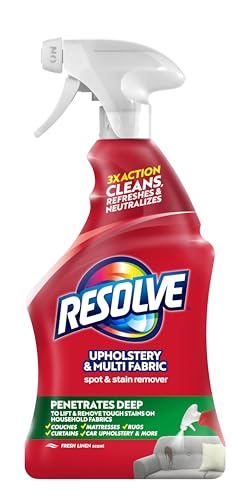
- Carpet and upholstery stain remover spray for fabric beds to tackle spills and marks
- Fabric protector spray for upholstered furniture to repel future stains
- Handheld steam cleaner for fabric upholstery for spot sanitizing and refreshing fibers


Before You Start
Prepare a clean, well-lit workspace and ensure the bed frame is free of loose items. Vacuum first to remove loose dust, hair, and allergens from the fabric surface. Test any cleaner on a hidden area of fabric to confirm there is no color run or texture change. Always follow label directions on all cleaning products, and avoid saturating the fabric, which can lead to mold or odors. Allow the fabric to dry completely before remounting bedding or using the bed.
Step-By-Step: How To Clean Upholstered Bed Frame
- Remove bedding and pull back any removable components to access all fabric surfaces.
- Vacuum thoroughly the entire frame, focusing on seams, buttons, and tufts where dust accumulates.
- Address stains with the carpet and upholstery stain remover spray. Apply as directed and blot rather than rub to lift color without spreading.
- For light cleaning, use the portable fabric steamer or handheld steam cleaner. Hold at a safe distance to avoid soaking the fabric, and work in small sections.
- After steaming, let the fabric air-dry briefly, then re-check for any remaining spots and treat again if needed.
- Apply a thin layer of fabric protector spray across the fabric surface once it is dry, following product directions for coverage and cure time.
- Brush or lightly comb nap fabrics, if applicable, to restore texture and lift fibers that may have settled during cleaning.
- Inspect the frame for loose tufts or seams and repair any minor issues before replacing bedding.
- Return bedding and cushions to their places, ensuring the fabric is fully dry to prevent mildew.
- Schedule regular maintenance: vacuum weekly and perform a deeper clean every few months, depending on use and household conditions.
- For persistent odors or challenging stains, consider repeating the process on a non-porous test area before proceeding with full treatment.
- Document the cleaning routine in a notes log to track what methods and products delivered the best results for your fabric type.
Troubleshooting
| Symptom | Likely Cause | Fix | Prevention |
|---|---|---|---|
| Fabric remains damp after cleaning | Over-application or insufficient drying time | Increase air flow, use fans, and repeat drying steps | Test cleaner on hidden area first; apply sparingly |
| Stains reappear after cleaning | Stain penetration or improper removal technique | Re-treat with stain remover following label; blot, don’t scrub | Address spills immediately; use fabric protector |
| Fabric fibers mat or bunch after steaming | Excessive heat or steam close to fabric | Keep steam one to two inches away; move steadily | Use lower steam setting if available |
| Unpleasant odor persists | Moisture trapped in fabric or frame cavity | Thorough drying; consider a deodorizing spray after dry | Ventilate room during cleaning; avoid over-wetting |
Common Mistakes
- Using home cleaners not suited for fabric can cause discoloration
- Letting steam or water soak into the frame wood or padding
- Rubbing stains aggressively, which can spread pigment
- Neglecting to dry fabric completely before replacing bedding
Tips For Best Results
- Test any cleaner on a hidden area first to confirm fabric compatibility
- Vacuum before cleaning to remove loose particles that can grind into fibers
- Use a light mist rather than heavy saturation to avoid dampness
- Work systematically, starting at the top and moving downward to capture loosened debris
- Pair cleaning with routine fabric protection to extend results between cleanings
Call A Professional
Consider hiring a pro if the fabric is heavily soiled, delicate, or if stains resist standard treatments. Stop and seek help if you notice color fading, fabric fraying, or if cleaning requires saturating the fabric beyond its tolerance. For antique or valuable upholstered frames, professional care can prevent accidental damage.
FAQ
Can I use any stain remover on fabric beds?
Choose stain removers labeled for upholstery fabrics and test on a hidden area first to avoid discoloration.
Is steam cleaning safe on all upholstered bed fabrics?
Steam is generally safe on many fabrics, but always check care labels and perform a test first to prevent damage.
How often should I clean upholstered bed frames?
Light vacuuming weekly and a deeper clean every 2–3 months, or more often in households with pets or children.
Will fabric protector affect comfort?
Fabric protector can create a slight barrier against stains without changing feel; ensure proper cure time before use.
What if the fabric color changes after cleaning?
Stop and test alternatives on hidden areas; some fabrics react to cleaners differently. If color shifts occur, consult the chemical manufacturer’s guidelines or a professional.
Buying Guide
When selecting tools for maintaining an upholstered bed frame, consider several factors that influence results and ease of use.
- Size and reach: Choose a vacuum with a narrow attachment for tight seams and a handheld steamer with adjustable heat for delicate fabrics.
- Noise level: Quiet units reduce disruption in bedrooms, especially during evening cleaning sessions.
- Energy efficiency: Look for energy-efficient vacuums and steam devices that still deliver effective cleaning power.
- Controls: Easy-to-use controls and clear instructions help prevent over-wetting and incorrect applications.
- Placement and storage: Compact designs fit in bedrooms or linen closets; consider cordless options for portability.
- Compatibility with fabrics: Check labels on your bed frame fabric for cleaning recommendations and test products on inconspicuous areas.
- Durability and warranty: Invest in well-built tools with reliable customer support to handle regular upkeep.
- Value of multi-tools: A combination of vacuum, steam, and stain remover capabilities often yields the best long-term results.
With the right gear and a consistent routine, maintaining an upholstered bed frame becomes straightforward. Do you favor a rapid weekly vacuum, or a deeper monthly refresh with steam and stain removers? The choice depends on your fabric, lifestyle, and cleaning priorities.