Window tracks accumulate dust, grit, and debris that can impede sash movement and seal efficiency. This guide offers practical, consumer-friendly steps to clean narrow window tracks using common tools and the specified window track cleaning products, without a vacuum cleaner.
Quick Answer
Gently loosen debris with a narrow brush, extract it with a microfiber cloth, and finish with a silicone-based or damp cloth wipe to restore smooth operation. Use an angled head window track cleaning brush for hard-to-reach areas and a slotted window channel cleaning brush for stubborn grime.
What You’ll Need
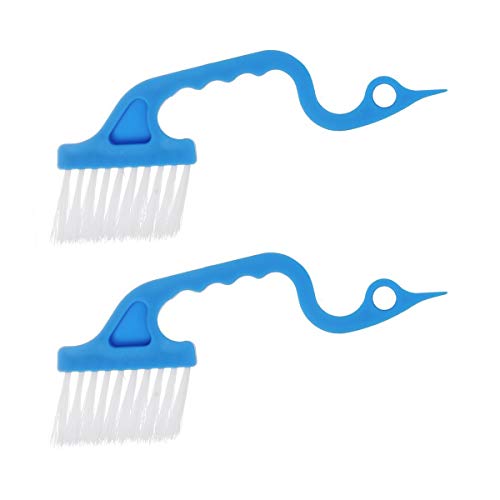
- Narrow window track cleaning brush
- Angled head window track cleaning brush
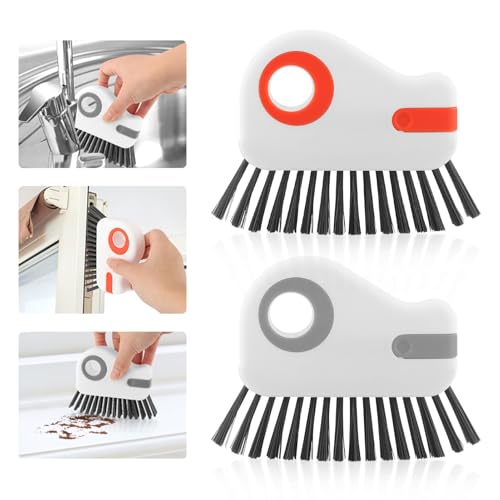
- Slotted window channel cleaning brush
- Silicone window track cleaning tool
- Microfiber cloth window track cleaning kit

Before You Start
Prepare a stable working area and protect surrounding surfaces with a drop cloth. Turn off nearby electronics and remove drapes or blinds to avoid interference. Use a damp cloth to wipe up spills as you go. Time estimate: 20–40 minutes depending on track length and grime level. Choose a dry, low-humidity day to prevent moisture buildup in the frame.
Step-By-Step: How To Clean Window Tracks Without Vacuum Cleaner
- Inspect the track to identify the most congested sections and note any damaged seals.
- Relieve tension on the window sash and open fully to expose the track.
- Lightly brush the debris using a narrow window track cleaning brush to dislodge dust and hair.
- Use an angled head window track cleaning brush to reach corners and tight corners along the channel.
- Wipe the loosened debris with a microfiber cloth window track cleaning kit, pressing gently to pull out stuck grit.
- If grime sticks, apply a small amount of water or a mild cleaning solution with the silicone window track cleaning tool to breakdown buildup, then wipe away with microfiber.
- Run the sash along the track several times to collect residual debris and re-check for smooth movement.
- Finish by wiping the entire track with a dry cloth to remove moisture and restore glide.
- Inspect seals and lubricate if needed with an appropriate product recommended for window hardware, ensuring no buildup blocks drainage channels.
- Close the window and test operation, noting any remaining resistance and repeating targeted cleaning if necessary.
- Store tools in a dry place, ready for the next maintenance cycle.
Troubleshooting
| Symptom | Likely Cause | Fix | Prevention |
|---|---|---|---|
| Stiff or squeaky track | Residual grime or dry weather | Thoroughly clean and lightly lubricate with appropriate product | Regular light cleaning every season |
| Debris keeps removing paint/leaks | Rough edges or damaged seals | Inspect and replace worn seals; avoid abrasive tools | Gentle brushing and seal checks during cleaning |
| Track not fully opening | Heavy buildup blocking movement | Targeted use of angled head brush in corners; microfiber wipe | Clean sooner to prevent buildup |
| Water pooling inside sill | Improper drainage or cracked track | Dry completely and seal any cracks; avoid excess moisture | Inspect drainage paths during cleaning |
Common Mistakes
- Over-wetting the track, which can push dirt deeper into compartments
- Using abrasive brushes that scratch the channel surface
- Neglecting corners and edges where grime tends to accumulate
- Forgetting to dry the track after cleaning, leading to mold growth
Tips For Best Results
- Work in a consistent pattern from one end of the track to the other to avoid missed spots.
- Combine multiple tools for maximum reach: use the angled head window track cleaning brush and slotted window channel cleaning brush for tight areas.
- Use a microfiber cloth to trap fine dust rather than pushing it along the channel.
- Edge the window with a light silicone-based lubricant if the track feels dry after cleaning, but avoid over-application.
Call A Professional
Consider a professional if the window still binds after cleaning, the track shows signs of corrosion, or if seals are damaged. Stop signs include persistent sticking, peeling paint around the frame, or warped track sections that require replacement rather than cleaning.
FAQ
Can I use water alone to clean window tracks?
Yes, a small amount of water can help loosen grime, but avoid soaking the track and dry promptly after cleaning.
What if the track is very narrow?
Use the narrow tools designed for tight spaces, such as the narrow window track cleaning brush and slotted window channel cleaning brush.
Is lubrication necessary after cleaning?
Light lubrication can help, but use products appropriate for window hardware and apply sparingly.
How often should I clean window tracks?
Typically every 6–12 months, or sooner in dusty or humid environments.
Buying Guide
Choosing the right tools for cleaning window tracks without a vacuum cleaner depends on track design and grime level. Consider these factors to pick a kit that’s effective and durable.
- Size and reach: Narrow tracks benefit from angled and slotted brushes that can extend into corners without bending the window frame.
- Material compatibility: Tools made for delicate surfaces prevent scratches while removing grit.
- Direct tension and force: Tools with firm bristles and precise edges help dislodge buildup without damage.
- Moisture control: A microfiber kit reduces lint and traps moisture; silicone tools help with stubborn residue.
- Replacement parts: Check for interchangeable heads and replacement cloths as ongoing value.
For best results, combine a few tools from the provided options to adapt to different track geometries. If unsure about track material or lubricants, consult product guidelines or a window maintenance specialist. Would you like a quick, tool-by-tool recommendation based on your window type?