Porcelain tile adds a durable and stylish finish to kitchens, bathrooms, and entryways. Haze on porcelain can occur from mineral deposits, cleaner residue, or glaze haze that forms after polishing. This guide explains practical, safe methods to remove haze without damaging the tile or grout, using common supplies and specialized products when needed.
Readers will learn a clear sequence from prep to maintenance, including quick fixes for stubborn haze and tips to prevent future buildup. The steps are suitable for most homes across the United States, with emphasis on safe handling of cleaning agents and tools.
Quick Answer
Direct approach: start with warm water and a mild, non-acid cleaner. If haze persists, try a porcelain-safe haze remover, then a steam cleaner for tough deposits. For glaze haze, a dedicated glaze haze remover for porcelain tile can help. Avoid harsh acids on glaze and grout unless specified by product instructions.
What You’ll Need
- Porcelain tile haze remover
- Glaze haze remover for porcelain tile
- Tile cleaning kit with scrub brush porcelain
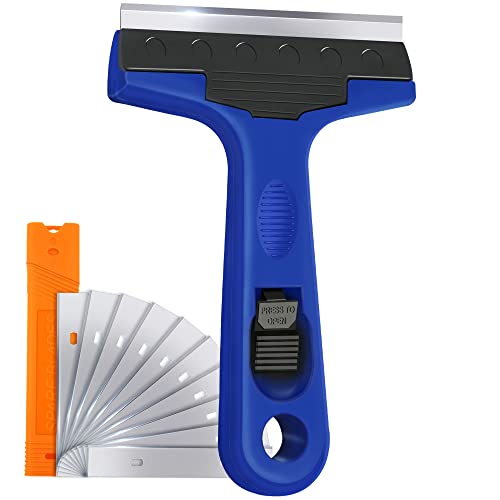
- Razor blade scraper for tile haze removal
- Steam cleaner for porcelain tile cleaning
- Soft microfiber cloths
- Non-abrasive sponge
- Protective gloves


Before You Start
Before beginning, protect nearby surfaces and wear gloves to avoid skin irritation. Vacuum or sweep loose dirt from the tile and grout to prevent scratching during cleaning. Test any cleaner in a small, inconspicuous area for colorfastness and grout sensitivity. Allow surfaces to dry fully between steps when needed. The typical time estimate for a complete haze-removal session is 45–90 minutes depending on area size and haze severity. Never use abrasive steel wool or acidic cleaners on glazed porcelain unless the product label permits it.
Step-By-Step: How To Remove Haze From Porcelain Tile
- Prepare the workspace: lay towels or a drop cloth to catch drips and dust.
- Dry wipe to remove loose dust, then apply a warm water rinse and a mild, non-acid cleaner to a small area.
- Gently scrub with a tile cleaning kit with scrub brush porcelain or a non-abrasive sponge, focusing on hazy patches.
- If haze remains, apply porcelain-safe haze remover and let it sit per the label, then scrub again with light pressure.
- For glaze haze on porcelain tiles, apply glaze haze remover for porcelain tile and follow manufacturer directions.
- Use a razor blade scraper for stubborn haze only on flat, unglazed portions; keep blade at a shallow angle and maintain a steady, controlled movement to avoid scratching.
- Rinse thoroughly with clean water after each cleaning agent to remove residue, then dry with a microfiber cloth.
- For large areas, consider a steam cleaner for porcelain tile cleaning to lift mineral deposits without scrubbing too hard.
- Inspect grout lines and re-clean any spots that retain haze; avoid saturating grout with cleaners that may weaken it.
- Repeat as needed in affected zones until haze is removed and the tile surfaces are clear.
- Finish with a light wipe of a dry microfiber cloth to prevent water spots and streaks.
Troubleshooting
| Symptom | Likely Cause | Fix | Prevention |
|---|---|---|---|
| Thin, cloudy film after cleaning | Residue from cleaner or mineral deposits | Re-wash with a haze remover or mineral deposit cleaner; rinse thoroughly | Rinse with clean water between steps |
| Persistent haze near grout lines | Grout absorption or cement haze | Use a grout-safe haze remover or a low-abrasion scrub | Seal grout; avoid soaking grout with harsh cleaners |
| Scratches or dull spots after scrubbing | Excessive abrasive action | Switch to non-abrasive tools; stop using steel blades | Test in inconspicuous area first |
| Streaking after rinse | Uneven drying or soap film | Dry with microfiber cloth; wipe in the direction of the grout lines | Rinse with filtered water if minerals are high |
Common Mistakes
- Using acidic cleaners on glazed porcelain without manufacturer approval
- Scrubbing too aggressively with stiff brushes or metal tools
- Skipping a patch test before full-area application
- Allowing cleaner to sit too long on delicate glaze
Tips For Best Results
- Work in small sections to prevent cleaner from drying on the surface.
- Rinse surfaces with clean water after each cleaning step to prevent residue buildup.
- For very hard water areas, consider a mineral removal step before haze removal.
- Use a steam cleaner on porcelain tiles that tolerate moisture; avoid high heat on wooden or metal-inset areas.
- Regular maintenance reduces haze buildup; swap heavy cleaners for mild options for daily care.
Call A Professional
Consult a professional if haze covers extensive areas, if the glaze is damaged, or if there are persistent grout staining. Stop and seek help if a cleaner label advises professional application or if the surface shows discoloration, cracking, or dulling that does not improve with standard methods.
FAQ
Can haze remover damage porcelain tiles?
Most porcelain-safe haze removers are formulated to protect porcelain surfaces; always follow label instructions and test first.
Is steam cleaning safe for porcelain tile?
Yes, steam cleaning is generally safe for porcelain, but avoid excessive heat near grout and edge seams.
What is the best method for glaze haze on porcelain?
Use a glaze haze remover for porcelain tile as directed, and avoid harsh scrubbing on glazed surfaces.
Can I use a razor blade scraper every day?
No. Use sparingly for stubborn haze and only on flat, unglazed patches to minimize risk of scratching.
Buying Guide
Choosing the right tools and products for maintaining porcelain tile helps prevent haze and keeps surfaces looking pristine. This guide highlights key buying factors and considerations.
- <bTile haze remover vs glaze haze remover for porcelain tile: Choose based on whether haze is mineral-based or glaze-related. Look for formulas explicitly labeled safe for porcelain and glazed surfaces.
- <bTile cleaning kit with scrub brush porcelain: Kits that include soft brushes and non-abrasive pads balance effective cleaning with surface safety.
- Razor blade scraper for tile haze removal: Reserve for persistent, flat haze; ensure the blade is sharp and used at a shallow angle to avoid gouging.
- Steam cleaner for porcelain tile cleaning: Useful for mineral deposits and hygienic cleaning; verify compatibility with porcelain and grout tolerances.
- Consider surface area, water hardness, and grout type when selecting cleaners and tools.
- Look for products with clear usage instructions, safety warnings, and compatibility notes for porcelain and glaze.
Additional factors include noise level if using a steam cleaner, energy efficiency of powered cleaners, and placement considerations for kitchens, bathrooms, or entryways. Would you prefer a minimal kit for light maintenance or a comprehensive system for stubborn haze problems?