Hot glue is a versatile bonding material, but removing it from surfaces can be tricky. This guide provides practical, user-friendly methods using common tools and safe practices to minimize damage and residue. Whether you’re repairing crafts, clearing a glue gun mess, or restoring a surface, the following steps offer reliable options for effective clean-up.
Quick Answer
Best initial approach: soften the glue with a heat source, then lift or scrape with a suitable tool. For stubborn spots, apply an adhesive remover with a scraper and finish with a silicone spatula or plastic putty knife designed for heat-sensitive surfaces.
What You’ll Need
- Heat gun for removing hot glue or a household hair dryer set to high heat
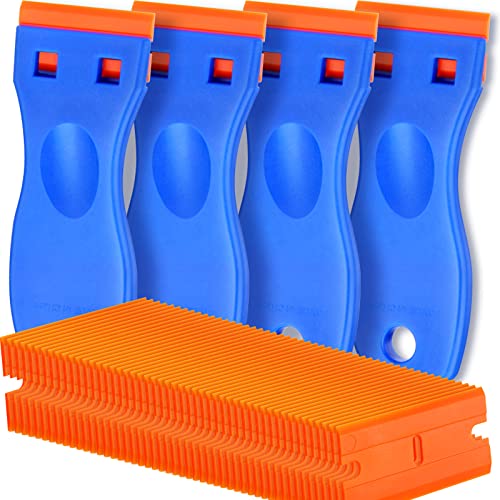
- Hot glue scraper tool or a plastic putty knife
- Plastic putty knife hot glue removal or a silicone spatula for hot glue
- Adhesive remover with scraper or rubbing alcohol (isopropyl)
- Soft cloths or paper towels
- Gloves to protect hands


Before You Start
Inspect the surface to check for heat sensitivity and finishes. Test any solvent on a hidden area to ensure there is no discoloration or damage. Work slowly and avoid high heat on delicate plastics or painted surfaces. Expect several minutes of work for larger glue patches. Plan for a clean workspace and protect nearby edges with painter’s tape if needed. Always keep away from children and pets during removal.
Step-By-Step: How To Remove Hot Glue Safely
- Plug in the heat gun for removing hot glue and set to a low-to-medium temperature. Hold the nozzle a few inches away from the glue and apply even heat until the glue loosens.
- Gently soften the glue until it becomes pliable, then use the hot glue scraper tool to lift an edge without gouging the surface.
- For thin or delicate areas, switch to a silicone spatula for hot glue to reduce scratching while prying up the residue.
- Continue heating small sections and sliding the scraper or spatula underneath the glue to peel it away in thin layers.
- When residue remains, apply a small amount of adhesive remover with scraper or isopropyl alcohol to break down the adhesive bonds. Let it sit briefly, then scrape again.
- Wipe the area with a soft cloth to remove loosened glue and cleaner, repeating as needed until the surface is clean.
- If glue has seeped into pores or textured surfaces, repeat the heating and scraping steps, then use a soft brush to reach crevices.
- For stubborn spots, reapply heat and use a finer edge of the plastic putty knife hot glue removal tool to work through the residue without digging into the material.
- Clean the area with a final wipe of isopropyl alcohol or an appropriate surface cleaner to remove any oily film from the adhesive remover.
- Allow the surface to dry completely before any reassembly or painting, then test a small area with your finish to ensure compatibility.
- Dispose of used glue scraps and wipes according to local disposal guidelines and store tools safely for future use.
Troubleshooting
| Symptom | Likely Cause | Fix | Prevention |
|---|---|---|---|
| Glue won’t soften | Insufficient heat or old glue | Increase heat gradually; reapply heat for 10–15 seconds | Pre-warm glue before application when possible |
| Surface scratches after removal | Using a sharp edge too aggressively | Switch to silicone spatula or plastic putty knife; use light pressure | Test on inconspicuous area first |
| Residue remains after solvent | Thick or cured adhesive | Apply adhesive remover and reheat; wipe with cloth | Avoid over-wetting; work in small sections |
| Discoloration on finish | Overheating or harsh solvent | Dial down heat; use milder cleaner | Perform spot test first |
| Glue in textured surface | Glue penetrated pores | Repeated heating and gentle brushing with a soft brush | Act quickly on fresh glue |
Common Mistakes
- Using excessive heat on plastic or painted surfaces, leading to warping or bleeds.
- Forgetting to protect nearby areas, causing accidental damage.
- Relying on forceful scraping that can gouge the surface.
- Overusing solvent, which may soften or discolor finishes.
Keeping the work area controlled and taking breaks as needed helps minimize damage and improves outcomes.
Tips For Best Results
- Work in a well-ventilated area, especially when using adhesive removers.
- Use a heat gun with adjustable temperature and a fan setting to control heat spread.
- Test any cleaner on a hidden spot before applying broadly.
- Opt for a silicone spatula when working with delicate finishes to reduce scratching risk.
Call A Professional
Seek professional help if the glue is on valuable wood furniture, antique surfaces, or if heat could cause irreversible damage. Contaminated finishes, water-sensitive materials, or large, embedded glue patches may require specialized tools or refinishing expertise. If there is any doubt about surface compatibility, contact a repair specialist or conservator before proceeding.
FAQ
Is it safe to use a hair dryer instead of a heat gun?
A hair dryer can work for light, small patches but offers less control and heat consistency. Use it on high heat for short intervals and test first.
Can I reuse glue scraps after removal?
No. Once glue is heated and used, it should be cleaned up, not reused on surfaces due to contamination and altered adhesion properties.
What if the glue reappears after cleaning?
Reheat the area and reapply your chosen scraper or spatula method, then use a fresh applicator with cleaner to remove any residual film.
Which surface is most at risk during hot glue removal?
Soft plastics, painted finishes, and wood veneers are the most susceptible to damage from heat or solvents; proceed with extra caution on these.
Buying Guide
When choosing tools to remove hot glue, consider size, temperature control, and surface compatibility. For versatility, a heat gun for removing hot glue with adjustable temps helps tackle both soft and stubborn patches. A hot glue scraper tool or plastic putty knife hot glue removal is essential for lifting residue without gouging surfaces. A silicone spatula for hot glue provides a gentle touch on delicate materials. For tricky residues, an adhesive remover with scraper can simplify cleanup, but select a product compatible with the surface you’re treating and follow label directions. Consider whether you’ll be working on wood, plastic, fabric, or metal to guide tool choices.
Size matters for mobility and reach: compact heat guns work well for craft projects, while larger models suit bigger repairs. Noise level and energy efficiency are practical factors for extended sessions. Choose tools with comfortable handles, reliable temperature control, and safety features such as a temperature lock and heat shield. For placement, ensure a stable, heat-resistant surface and keep cleaning supplies within reach to maintain workflow efficiency.
In short, matching the right combination of heat gun for removing hot glue, hot glue scraper tool, and adhesive remover with scraper to your specific project saves time and minimizes damage. Are you ready to tackle the task with the right setup and a steady pace?